Top 6 In-Demand Nursing Jobs Across Australia
Australia’s healthcare system is facing a period of significant transformation. Population growth, longer life expectancy, and changing health needs are placing increasing pressure on hospitals, aged care facilities, community services, and rural health networks. At the centre of this evolving landscape is the nursing workforce, a profession that continues to underpin the quality, accessibility, and sustainability of healthcare across the country.
The demand for skilled nurses has never been higher. From metropolitan hospitals managing complex acute cases to regional towns relying on a small team of multi skilled clinicians, nurses are essential to delivering safe and effective care. Aged care providers, disability services, and community health organisations are also expanding rapidly, creating new and diverse career opportunities for nurses at different stages of their professional journey.
This blog is designed to inform and guide current nurses, students, and those considering a career in healthcare about the top six in demand nursing jobs across Australia. By exploring why these roles are growing, what they involve, and the skills required, readers can make more confident decisions about which nursing pathways align with their interests, values, and long term career goals.
Why Nursing Jobs Are In High Demand Across Australia
Several key factors are driving the strong and sustained demand for nursing professionals nationwide. One of the most significant is Australia’s ageing population. As people live longer, there is a higher prevalence of chronic health conditions such as diabetes, heart disease, dementia, and mobility related issues. These conditions often require ongoing monitoring, treatment, and support, increasing the need for nurses across hospitals, aged care facilities, and community settings.
The expansion of aged care, disability, and community based services has also played a major role. Government investment in home care packages, residential aged care reforms, and the National Disability Insurance Scheme has shifted care away from hospitals and into homes and local communities. This change has created strong demand for nurses who can work independently, build long term relationships with clients, and provide holistic care outside traditional clinical environments.
Workforce shortages remain particularly acute in regional and remote areas. Many rural communities struggle to attract and retain healthcare professionals, resulting in nurses taking on broader responsibilities and enjoying greater autonomy. At the same time, healthcare reforms aimed at improving access, quality, and person centred care continue to reshape service delivery models, further increasing the need for adaptable and highly skilled nurses.
1. Registered Nurse (RN)
Registered nurses form the backbone of Australia’s healthcare system. Their role is broad and dynamic, encompassing patient assessment, care planning, medication administration, wound management, and coordination with multidisciplinary teams. RNs are also responsible for educating patients and families, advocating for patient needs, and maintaining high standards of clinical safety.
RNs are needed across a wide range of healthcare settings, including public and private hospitals, general practices, aged care facilities, community health services, schools, and correctional facilities. This versatility makes registered nursing one of the most stable and flexible career paths in healthcare.
To become a registered nurse in Australia, individuals must complete a Bachelor of Nursing and be registered with the Nursing and Midwifery Board of Australia through AHPRA. Strong clinical knowledge, effective communication, critical thinking, and the ability to work under pressure are essential skills.
Career growth opportunities for RNs are extensive. Nurses can specialise in areas such as perioperative care, oncology, paediatrics, or infection control, or move into leadership, education, and management roles. With ongoing demand across all states and territories, registered nursing offers excellent job security and long term career prospects.
2. Aged Care Nurse
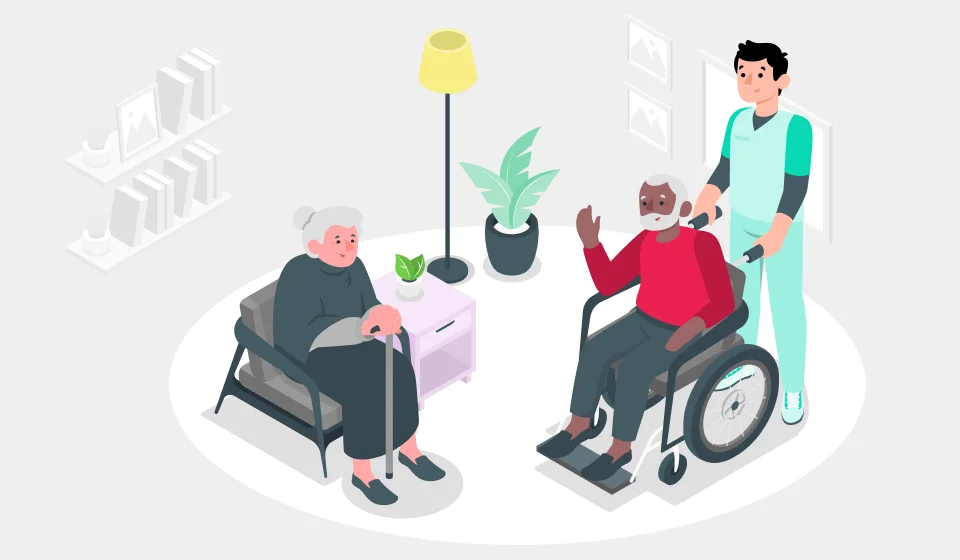
Aged care nurses play a vital role in supporting older Australians to maintain health, comfort, and dignity as they age. They work in residential aged care facilities, retirement villages, and increasingly within community and home care settings. Their responsibilities include managing chronic conditions, administering medications, providing wound and dementia care, and supporting end of life needs.
The demand for aged care nurses is largely driven by Australia’s ageing population. As the proportion of people aged 65 and over continues to rise, so does the need for skilled professionals who understand the complex physical, emotional, and social needs of older adults.
Aged care nurses require strong clinical skills alongside empathy, patience, and excellent communication. Experience in gerontology, dementia care, or palliative care is highly valued, and additional training in aged care standards and quality frameworks is often required.
While aged care nursing can be challenging, it is also deeply rewarding. Nurses often develop long term relationships with residents and their families, making a meaningful difference in daily quality of life. With ongoing reforms and increased funding, aged care remains one of the most in demand nursing sectors in Australia.
3. Mental Health Nurse
Mental health nursing has become an increasingly important specialty as awareness of mental health issues grows across Australia. Anxiety, depression, substance use disorders, and severe mental illness affect people of all ages, creating a strong need for skilled nurses who can provide compassionate, evidence based care.
Mental health nurses work in a variety of settings, including inpatient psychiatric units, community mental health services, crisis intervention teams, and rehabilitation programs. Their responsibilities include conducting mental health assessments, administering medications, supporting therapeutic interventions, and collaborating with psychologists, psychiatrists, and social workers.
Strong communication skills, emotional resilience, and the ability to build trust are essential in mental health nursing. Additional postgraduate qualifications in mental health are often required, along with a deep understanding of trauma informed care and recovery oriented practice.
Employment opportunities exist across both public and private sectors, with demand particularly high in community based services. For nurses who are passionate about supporting psychological wellbeing and reducing stigma, mental health nursing offers a meaningful and future focused career path.
4. Critical Care And Emergency Nurse
Critical care and emergency nurses work in some of the most fast paced and high pressure environments in healthcare. They provide immediate and life saving care to patients experiencing severe illness, injury, or trauma. This includes advanced monitoring, emergency interventions, and close collaboration with medical and allied health teams.
Common workplaces include emergency departments, intensive care units, coronary care units, and high dependency units. Nurses in these settings must be able to make rapid decisions, remain calm under pressure, and manage complex clinical situations.
Specialised training and certifications are required for critical care and emergency nursing roles. This may include postgraduate qualifications in critical care or emergency nursing, advanced life support certification, and extensive clinical experience.
Demand for these nurses remains consistently high due to the unpredictable nature of emergencies and the ongoing need for specialised acute care services. While the work can be demanding, it offers strong professional development opportunities and is well suited to nurses who thrive in dynamic environments.
5. Rural And Remote Area Nurse
Rural and remote area nurses provide essential healthcare services to communities that may have limited access to doctors and specialist care. Their role is often broader than that of their metropolitan counterparts, encompassing emergency response, primary health care, chronic disease management, maternal and child health, and health education.
These nurses work with a high level of autonomy and responsibility, often making independent clinical decisions and coordinating care across vast distances. The scope of practice is wide, requiring strong assessment skills and adaptability.
Rural nursing offers unique benefits, including close community connections, professional independence, and opportunities to develop a diverse skill set. However, it can also present challenges such as professional isolation, limited resources, and the need to manage complex cases with minimal support.
Specialised training in rural and remote nursing, emergency care, and cultural safety is highly valued. For nurses seeking variety, autonomy, and the chance to make a tangible impact in underserved communities, rural nursing is a highly rewarding career option.
6. Disability Support And NDIS Nurse
Disability support and NDIS nurses play a key role in helping individuals with disabilities live independently and participate fully in their communities. Working within the framework of the National Disability Insurance Scheme, these nurses support participants with complex and long term health needs.
Their responsibilities may include medication management, clinical assessments, personal care support, and coordination with families and support teams. Many work in home care settings, supported accommodation, or community based programs, building strong relationships with participants over time.
This role requires a person centred approach, strong communication skills, and an understanding of disability rights and choice and control principles. Experience in complex care, behavioural support, or neurological conditions is often beneficial.
As the NDIS continues to evolve and expand, demand for disability focused nursing roles is expected to remain strong. This pathway suits nurses who value relationship based care and empowering individuals to achieve their personal goals.
Key Skills And Qualifications For In-Demand Nursing Jobs
Across all high demand nursing roles, a combination of strong clinical skills and interpersonal abilities is essential. Clinical competence, critical thinking, and attention to detail underpin safe and effective care, while communication, empathy, and teamwork enable positive patient experiences.
All nurses in Australia must hold current registration with AHPRA and meet ongoing professional standards. Many in demand roles also require additional postgraduate qualifications, certifications, or specialised training.
Continuing professional development is critical in a rapidly changing healthcare environment. Ongoing learning helps nurses stay current with best practice, expand their scope of practice, and progress into advanced or specialised roles.
Benefits Of Choosing A High-Demand Nursing Career
Pursuing a high demand nursing career offers strong job security and stability, even during times of economic uncertainty. Healthcare remains an essential service, and skilled nurses are consistently sought after across Australia.
There are also numerous opportunities for specialisation and career advancement. Nurses can tailor their career path to suit their interests, whether that involves clinical expertise, leadership, education, or community based roles.
Flexibility is another key benefit. Many nursing roles offer varied working environments, shift options, and employment arrangements, supporting work life balance and long term career sustainability.
Conclusion
Australia’s healthcare system relies heavily on a skilled and adaptable nursing workforce. Registered nurses, aged care nurses, mental health nurses, critical care and emergency nurses, rural and remote area nurses, and disability support nurses are among the most in demand roles nationwide.
By understanding the responsibilities, skills, and opportunities associated with each pathway, nurses and aspiring healthcare professionals can make informed career decisions that align with their interests and long term goals. As healthcare needs continue to grow and evolve, nursing will remain a vital and rewarding profession, offering meaningful work, professional growth, and the chance to make a lasting difference in communities across Australia.
Latest Post
Top 6 In-Demand Nursing Jobs Across Australia
Life As A Rural Area Nurse
Standards & Scope of Practice for Registered Nurses
Roles & Responsibilities Of Hospital Staff
Nurse Unit Manager – Salary & Responsibilities
Why Does Working With The Best Nurse Staffing Agencies Matter?

Nursing As A Career: Our Top 7 Reasons
Reasons Why Working As An Agency Nurse Has Its Perks