
Complete Guide To Specialist Disability Accommodation
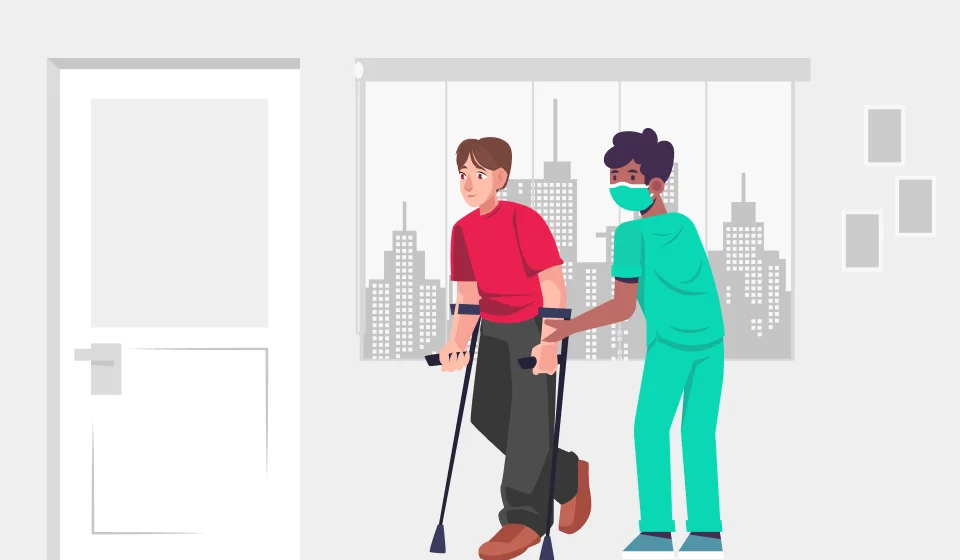
Specialist Disability Accommodation (SDA) plays a vital role in Australia’s disability support system, particularly for people with high and complex support needs. Designed as part of the National Disability Insurance Scheme (NDIS), SDA focuses on providing purpose-built housing that enables individuals with disability to live as independently and safely as possible, while still having access to the right level of support. Unlike standard housing, SDA is about creating environments that reduce risk, improve accessibility and support long-term wellbeing.
SDA is an important pillar of the NDIS housing framework because suitable accommodation can significantly influence quality of life, health outcomes and independence. The right home can reduce reliance on constant support, minimise hospitalisations and empower participants to engage more fully with their community. For families and carers, SDA can also provide reassurance that their loved one is living in a safe, supportive and sustainable environment.
This guide is designed for NDIS participants, families, carers, support coordinators and anyone involved in disability planning or decision-making. It explains what SDA is, who may qualify, the rules that apply and the benefits and challenges involved. By the end of this guide, readers will have a clearer understanding of how SDA works and how to approach housing decisions with confidence, clarity and realistic expectations.
At NurseLink Healthcare, we support individuals across Australia with disability, nursing and community care services. We understand that housing is not just about a roof over your head—it is the foundation for dignity, independence and long-term wellbeing.
What Is Specialist Disability Accommodation?
Specialist Disability Accommodation is a type of housing funded under the NDIS for a small group of participants with extreme functional impairment or very high support needs. SDA funding contributes to the cost of building or maintaining specialised housing, rather than paying for day-to-day support services. Those supports are usually covered separately under other NDIS funding categories.
What makes SDA different from general disability housing or Supported Independent Living (SIL) is its focus on the physical design of the home itself. While SIL funds daily support provided to a person, SDA relates specifically to the dwelling and how it is built or modified to meet complex needs. A participant may receive SDA funding, SIL funding, both, or neither, depending on their circumstances.
There are several SDA design categories, including improved liveability, robust housing, fully accessible housing and high physical support. Each category reflects different levels of accessibility, technology and structural features. These may include wider doorways, ceiling hoists, reinforced walls, assistive technology integration and emergency power solutions.
SDA is designed for people whose disability-related needs cannot be reasonably met in mainstream housing. Specialised housing can significantly reduce risks, improve safety and allow supports to be delivered more efficiently. For many participants, SDA provides stability and a long-term housing solution that supports independence rather than limiting it.
Who Is Eligible For Specialist Disability Accommodation?
Specialist disability accommodation eligibility is determined through a structured NDIS assessment process. SDA is intended for a relatively small number of participants, generally those with extreme functional impairment or very high support needs that impact their ability to live safely in standard housing.
Eligibility is based on factors such as the level of physical, sensory or cognitive impairment, the need for ongoing support and the risks associated with unsuitable housing. The NDIS looks at whether SDA would provide better outcomes and value for money compared to other housing options.
Assessments play a critical role in determining eligibility. Evidence is typically required from allied health professionals such as occupational therapists, physiotherapists or psychologists. These reports outline functional capacity, daily living challenges, safety risks and how specialised housing would reduce long-term costs or improve outcomes.
SDA eligibility is considered as part of an NDIS participant’s overall plan. If approved, SDA funding is included in the plan as a separate line item. This funding does not usually cover rent in the traditional sense but contributes to the cost of providing specialised housing. Understanding eligibility early in the planning process can help participants and families prepare realistic housing goals and avoid delays.
Specialist Disability Accommodation Rules And Requirements
Specialist disability accommodation rules are governed by the NDIS and are designed to ensure quality, safety and fairness for participants. These rules apply to SDA providers, registered organisations and, to some extent, tenants themselves.
SDA providers must meet strict registration and compliance requirements. This includes adhering to SDA design standards, maintaining properties, ensuring safety and meeting ongoing reporting obligations. Providers are also responsible for transparent pricing and clear communication with participants.
Tenants living in SDA have rights and responsibilities, similar to other rental arrangements, but with additional protections. Participants have the right to choice and control over where they live, who they live with and which providers they engage. They are also responsible for respecting the property and meeting agreed tenancy obligations.
Compliance and safety standards are monitored through audits, certifications and ongoing oversight. This ensures that SDA properties remain fit for purpose and continue to meet the needs of residents. Understanding these rules helps participants and families feel confident that SDA housing is regulated, accountable and designed with long-term wellbeing in mind.
Common Challenges And Considerations With Sda
While the benefits of specialist disability accommodation are significant, there are practical challenges that participants and families should be aware of. One of the most common issues is limited availability. SDA properties are not evenly distributed across all regions, which can make location choices more complex.
Matching housing design to individual needs is another key consideration. Not all SDA properties suit every participant, even within the same design category. Factors such as layout, technology, shared living arrangements and proximity to services can all influence suitability.
Funding and cost structures can also be confusing. SDA funding interacts with other supports such as SIL, personal care and informal support. Understanding how these elements work together is essential to avoid gaps in care or unexpected costs.
Choice and control remain central to the NDIS, but they must be balanced with long-term suitability. Moving into SDA is often a significant decision, and it is important to consider future needs, potential changes in support requirements and overall lifestyle preferences.
How To Apply For Specialist Disability Accommodation
Applying for SDA involves several steps and usually requires professional guidance. The process typically begins with identifying housing needs during NDIS planning or plan review meetings. Clear communication of goals, risks and desired outcomes is essential.
Support coordinators and allied health professionals play a key role in the application process. Occupational therapy assessments, functional capacity reports and housing assessments provide the evidence needed to support an SDA request.
Documentation should clearly explain why SDA is reasonable and necessary, how it improves safety and independence, and why alternative housing options are not suitable. Strong, well-prepared evidence can significantly improve the likelihood of approval.
Once SDA funding is approved, the next step is housing selection. Participants can explore available SDA properties, engage with providers and plan their transition. Ongoing support during this stage helps ensure the move is smooth, informed and aligned with long-term goals.
Key Takeaways
Specialist Disability Accommodation is a crucial support for people with high and complex needs under the NDIS. It provides purpose-built housing that promotes safety, independence and quality of life. Understanding who SDA supports, how eligibility works and what rules apply empowers participants and families to make informed decisions.
Clear planning, professional guidance and realistic expectations are essential when navigating SDA. By taking the time to understand options and requirements, individuals can secure housing solutions that support dignity, stability and long-term wellbeing.
For further support, NDIS resources, experienced support coordinators and trusted providers like NurseLink Healthcare can help guide participants through every stage of the SDA journey.
Latest Post
Complete Guide To Specialist Disability Accommodation
Benefits Of The NDIS For Participants & Providers
A Complete Guide To NDIS Core Supports & Their Uses
How To Become A Specialist Support Coordinator

What Does An NDIS Support Coordinator Do?

Guide On Eligibility For NDIS

Know Your Rights As An NDIS Participant
A Beginner’s Guide To Navigating The NDIS