
The Complete Guide To Capacity Building Support
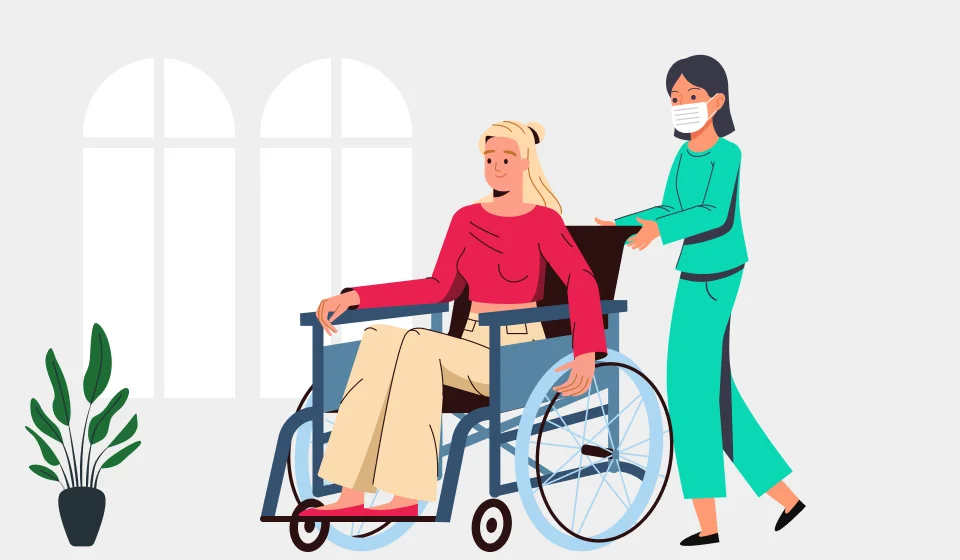
Capacity building support plays a vital role in helping people with disabilities live more independently, confidently and meaningfully. Within the NDIS framework, these supports focus on developing skills rather than doing things for a person. For individuals, families and carers navigating the NDIS, understanding how capacity building support works can make a significant difference in achieving long term goals.
At NurseLink Healthcare, capacity building is viewed as an investment in people. By strengthening everyday abilities and decision-making skills, participants are supported to take greater control of their lives while maintaining dignity, safety and choice. This guide explores the purpose, categories and real-world value of capacity building support clearly and practically.
What Is Capacity Building Support?
When people ask what capacity building support is, the most straightforward answer is that it focuses on building a person’s abilities rather than providing ongoing assistance alone. Capacity building support helps NDIS participants learn skills, improve independence and gain confidence in managing daily life, relationships, health and community participation.
Unlike core supports, which help with immediate day-to-day needs, capacity-building supports are designed to create lasting change. They aim to strengthen functional skills so that, over time, participants can do more for themselves or require less intensive assistance. This might involve learning how to manage personal care routines, developing social skills, improving communication, or building confidence to engage in work or education.
Capacity building support is highly personalised. Each participant’s plan reflects their goals, challenges and strengths. For some, this might focus on improving emotional well-being or decision-making. For others, it could be about gaining practical life skills that support independent living.
Different Types Of Capacity Building Supports (NDIS Categories)
The NDIS recognises several categories within capacity building funding. Understanding the different types of capacity-building supports helps participants and families make informed choices about how funding can be used to meet individual goals.
One category focuses on support coordination and plan management, helping participants understand their NDIS plan, connect with services and manage funding effectively. This builds the skills needed to navigate the system with confidence.
Improved daily living is another key area. This includes therapies and interventions delivered by qualified professionals such as occupational therapists, speech pathologists and psychologists. These supports aim to improve functional skills, communication, mobility and emotional regulation.
Improved relationships support help participants build social skills, manage behaviours of concern and strengthen relationships with family and the community. These supports are often valuable for people seeking to improve social confidence or emotional resilience.
Improved health and wellbeing focuses on physical and mental health outcomes. This may include exercise physiology, dietetics or counselling services that build healthy routines and self-management skills.
Improved learning and employment supports are designed to help participants prepare for work or education. This can involve skill development, training, or support to transition into employment and maintain a job.
Finally, improved life choices include plan management supports that empower participants to make informed financial and service decisions, giving greater control over how supports are delivered.
Why Capacity Building Support Matters?
Understanding why capacity-building support matters requires looking beyond short-term assistance. These supports create opportunities for long term independence, personal growth and social inclusion.
Capacity building empowers people to actively participate in their own lives rather than relying solely on others. By developing skills and confidence, participants are better equipped to make decisions, solve problems and adapt to change.
These supports also promote dignity and choice. When individuals have the skills to manage daily activities, relationships and health needs, they can live in ways that align with their values and goals. Over time, this can reduce reliance on high-intensity supports while improving overall well-being.
For families and carers, capacity-building support can provide reassurance. Knowing that a loved one is gaining skills and independence often reduces stress and supports sustainable care arrangements.
How Capacity Building Support Works?
Capacity building support follows a structured yet flexible approach that adapts to individual needs and goals. It typically involves the following elements:
- Identifying personal goals based on the participant’s aspirations, strengths and challenges.
- Assessing current skills and areas where development is needed.
- Designing a personalised support plan aligned with the NDIS goals.
- Delivering skill-building activities through qualified professionals or trained support workers.
- Monitoring progress and adjusting supports as skills develop or goals change.
This process ensures that support remains purposeful and focused on achieving meaningful outcomes, rather than providing routine assistance alone.
Examples Of Capacity Building Support Activities
Capacity building support can look very different depending on the person and their goals. For some participants, activities may focus on daily living skills such as cooking, budgeting or using public transport safely. These practical skills often form the foundation for independent living.
Other examples include communication and social skill development. This may involve working with a speech therapist to improve communication or participating in group programs that build confidence in social settings.
Health and well-being activities are also everyday. Participants may engage in therapy to manage anxiety, build emotional regulation skills or establish healthy routines that support long term physical and mental health.
Employment-focused activities can include resume preparation, interview practice or on-the-job skill development. These supports help participants prepare for meaningful work and maintain employment over time.
Benefits Of Capacity Building Support
Capacity building support delivers benefits that extend well beyond individual tasks or activities. One of the most significant advantages is increased independence. As skills develop, participants often feel more capable of managing daily life with reduced reliance on others.
Another key benefit is improved confidence and self-esteem. Learning new skills and achieving personal goals can positively impact mental health and motivation, encouraging greater participation in the community.
Capacity building support also supports long-term sustainability. By focusing on skill development, these supports can reduce the need for ongoing intensive assistance, creating a more balanced and empowering support arrangement.
How To Access Capacity Building Support?
Accessing capacity building support begins with an NDIS plan that includes funding under the capacity building budget. Participants work with planners or support coordinators to identify goals that align with skill development and independence.
Once funding is in place, participants can choose providers who offer services aligned with their needs. This may include allied health professionals, support coordinators or specialised disability support providers.
It is essential to review the plan regularly. As skills develop and goals change, capacity-building supports can be adjusted to ensure they remain relevant and practical.
Choosing The Right Capacity Building Support Provider
Selecting the right provider is essential for achieving positive outcomes. A good provider takes the time to understand individual goals, preferences and circumstances. They work collaboratively with participants, families and other professionals.
Experience and qualifications matter. Providers should have a strong understanding of the NDIS and the specific capacity-building supports they deliver. Clear communication, reliability and a person-centred approach are also critical.
At NurseLink Healthcare, capacity building support is delivered with professionalism, compassion and respect. The focus remains on empowering participants to build skills at their own pace while maintaining safety and dignity.
Conclusion
Capacity building support is a powerful part of the NDIS that focuses on long term growth rather than short term assistance. By developing skills, confidence and independence, participants are better equipped to live meaningful lives aligned with their goals.
Understanding what capacity building support involves, the different categories available and how to access the right provider can help individuals and families make informed decisions. With the proper guidance and personalised approach, capacity building support becomes a pathway to greater independence, inclusion and quality of life.
NurseLink Healthcare remains committed to delivering high-quality capacity-building support across Australia, ensuring every participant feels supported, capable and empowered to move forward with confidence.
Latest Post
The Complete Guide To Capacity Building Support
Complete Guide To Specialist Disability Accommodation
Benefits Of The NDIS For Participants & Providers
A Complete Guide To NDIS Core Supports & Their Uses
How To Become A Specialist Support Coordinator

What Does An NDIS Support Coordinator Do?

Guide On Eligibility For NDIS

Know Your Rights As An NDIS Participant
A Beginner’s Guide To Navigating The NDIS