
Strategies For Communicating With Disabled Patients
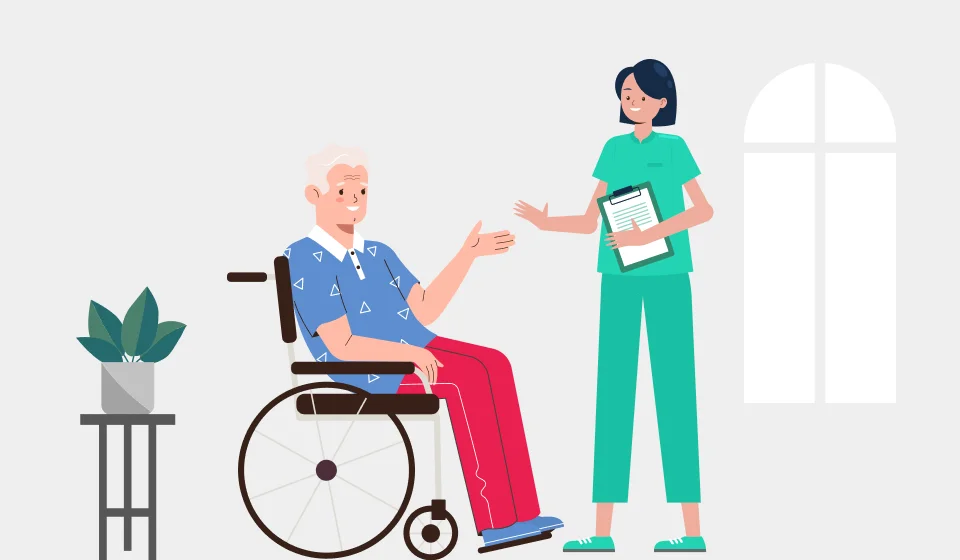
Effective communication is at the heart of quality healthcare. It shapes how patients understand their condition, engage with treatment, and feel supported throughout their care journey. When working with people living with disabilities, communication can present unique challenges, including sensory limitations, speech differences, or cognitive barriers. Poor communication can lead to misunderstandings, reduced patient safety, and lower confidence in care. On the other hand, inclusive and thoughtful interaction builds trust, improves outcomes, and ensures patients feel respected and heard. This guide explores practical disability communication strategies and offers clear insights into how to communicate with disabled patients in a way that is safe, respectful, and person-centred.
Understand Each Patient’s Communication Needs
Every patient is different, and effective communication begins with recognising those differences. Disabilities can affect how a person speaks, listens, understands, or responds, so there is no one-size-fits-all approach. Taking the time to understand individual needs helps create meaningful and effective interactions.
It is important to approach each situation with curiosity and openness. By observing and asking the right questions, healthcare professionals and caregivers can tailor their approach and ensure the patient feels comfortable and understood. This is a key part of improving communication with disabled patients in any care setting.
- Identify each patient’s preferred method of communication, whether verbal, written, or visual.
- Consider physical, sensory, or cognitive limitations that may affect understanding.
- Ask patients directly how they prefer to communicate whenever possible.
- Observe non-verbal cues such as facial expressions, gestures, and body language.
- Involve caregivers or support persons to gain deeper insights when appropriate.
Adopt A Person-Centred Approach To Communication
A person-centred approach places the individual at the centre of all communication. This means recognising their values, preferences, and autonomy, rather than focusing solely on their condition. It encourages respectful and meaningful interactions that support independence and dignity.
By adapting communication styles to suit each patient, healthcare providers can foster stronger relationships and improve engagement. This approach also helps answer a common question in care settings: how do you communicate with non-verbal patients in a way that still honours their voice and choices.
- Treat every patient with dignity, respect, and empathy.
- Adapt communication techniques based on the individual’s needs and abilities.
- Encourage patients to express their preferences, concerns, and decisions.
- Be patient and allow extra time for responses without rushing.
- Focus on building trust and rapport through consistent, respectful interaction.
Create A Safe & Supportive Environment
The environment in which communication takes place plays a significant role in how well information is exchanged. A calm, structured setting can reduce anxiety and help patients focus on the conversation.
Creating a supportive atmosphere also reassures patients that they are valued and respected. Small adjustments to the environment can make a meaningful difference, particularly for individuals who may feel overwhelmed or anxious in clinical settings.
- Minimise background noise and distractions during conversations.
- Ensure proper lighting so patients can clearly see facial expressions or visual aids.
- Maintain privacy and confidentiality at all times.
- Use a calm, friendly, and reassuring tone of voice.
- Make the patient feel heard, acknowledged, and comfortable.
Use Clear, Simple & Consistent Language
Clear communication reduces confusion and improves understanding. Many patients, especially those with cognitive or learning disabilities, may find complex medical language difficult to process. Simplifying language helps ensure that key information is understood.
Consistency is equally important. Repeating information in a clear and structured way can reinforce understanding and build confidence in the communication process. These simple adjustments can significantly improve outcomes and reduce the risk of errors.
- Avoid medical jargon and overly complex terminology.
- Use short, clear, and direct sentences.
- Speak slowly and allow time for the patient to process information.
- Repeat or rephrase information if it is not understood.
- Confirm understanding by asking simple follow-up questions.
Incorporate Verbal & Non-Verbal Communication Techniques
Communication goes beyond words. Non-verbal cues such as body language, facial expressions, and tone of voice play a crucial role in how messages are delivered and received. Being aware of these elements can enhance clarity and connection.
For many patients, especially those with limited verbal ability, non-verbal communication becomes even more important. Using a combination of verbal and non-verbal techniques helps ensure that messages are conveyed effectively and respectfully.
- Maintain appropriate eye contact to show attention and respect.
- Use gestures and facial expressions to reinforce meaning.
- Pay attention to the patient’s body language and reactions.
- Adjust tone, pace, and volume of speech to suit the situation.
- Use visual cues or demonstrations to support understanding.
Use Assistive & Alternative Communication Tools Effectively
Assistive communication tools can significantly improve interaction with patients who have speech or language difficulties. These tools provide alternative ways for individuals to express themselves and understand information.
Using the right tools requires both awareness and flexibility. Healthcare professionals should be familiar with different options and ensure that they are used in a way that is comfortable and accessible for the patient.
- Use communication boards, charts, or picture-based aids.
- Leverage speech-generating devices or mobile applications.
- Provide written instructions to support verbal communication.
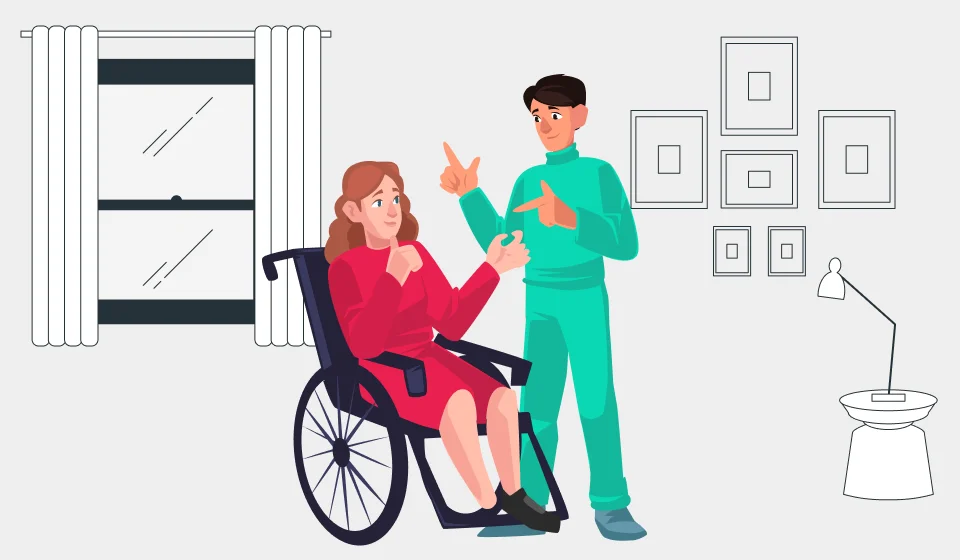
- Use sign language or interpreters when required.
- Ensure all tools are accessible, easy to use, and suited to the patient’s needs.
How NurseLink Healthcare Can Help?
NurseLink Healthcare is committed to supporting better communication practices across disability, aged care, and community nursing settings. By sharing practical knowledge and evidence-based insights, the organisation helps caregivers and healthcare professionals navigate the complexities of patient communication with confidence.
Through accessible resources and guidance, NurseLink Healthcare empowers individuals to make informed decisions and improve the quality of care they provide. Whether you are learning how to communicate with disabled patients or refining your existing approach, NurseLink Healthcare serves as a trusted source of information, helping promote inclusive, respectful, and effective care across Australia.
Latest Post
Complete Guide To Specialist Disability Accommodation
Benefits Of The NDIS For Participants & Providers
A Complete Guide To NDIS Core Supports & Their Uses

How To Become A Specialist Support Coordinator

What Does An NDIS Support Coordinator Do?
Guide On Eligibility For NDIS

Know Your Rights As An NDIS Participant
A Beginner’s Guide To Navigating The NDIS