
Supported Independent Living Success
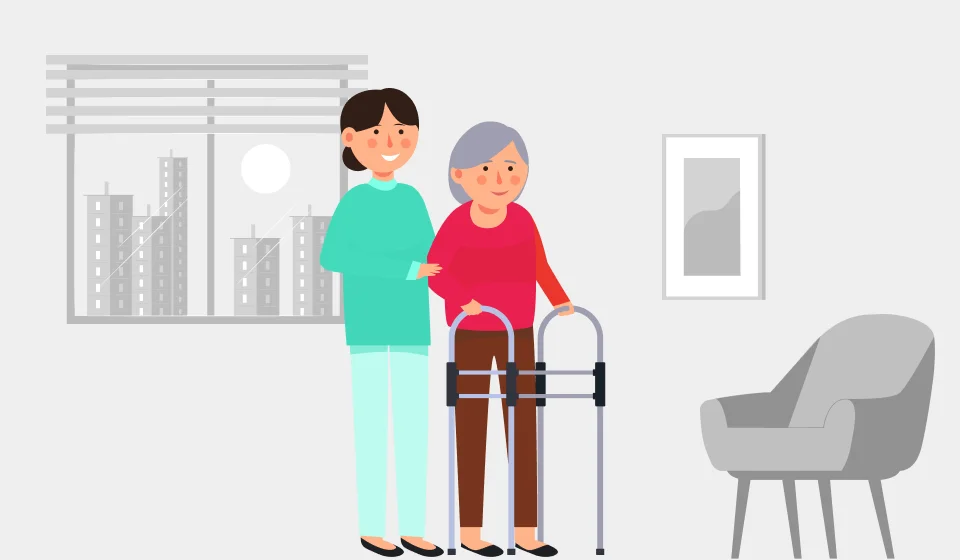
How NDIS SIL Services Improved Daily Living
Supported Independent Living (SIL) is a core support under the National Disability Insurance Scheme (NDIS), designed to help individuals with higher support needs live as independently as possible. It provides structured, day-to-day assistance with personal care, household tasks, and skill development within a shared or individual living environment.
For many participants, SIL represents more than just support. It is a pathway to autonomy, stability, and improved quality of life. It enables individuals to move away from dependence on family or institutional care and into a setting that promotes independence while still ensuring safety and consistent support.
However, transitioning into SIL is not always straightforward. It requires careful assessment, personalised planning, and ongoing support tailored to the participant’s unique needs. Without the right structure in place, individuals may struggle with daily routines, safety risks, or emotional adjustment.
This case study explores how SIL services supported an individual with complex needs in achieving greater independence and stability. It highlights the importance of personalised care, structured routines, and a supportive environment in improving long-term outcomes.
Note: All names and identifying details have been changed to protect client privacy.
The Participant’s Background & Challenges
The participant was a 29-year-old individual living in New South Wales with a primary diagnosis of intellectual disability, accompanied by mild behavioural challenges and limited life skills. Prior to accessing SIL services, the participant lived with family members who provided full-time care and supervision.
While the family environment was supportive, it presented several limitations. The participant had limited opportunities to develop independence, as most daily tasks were managed by caregivers. Activities such as cooking, cleaning, personal hygiene, and managing schedules were largely dependent on others.
Over time, this dependency began to impact both the participant and their family. The participant expressed a desire for greater independence but lacked the skills and confidence to manage daily living tasks. There were also concerns about social isolation, as the participant had limited engagement with the broader community.
From the family’s perspective, caregiving responsibilities became increasingly demanding. Balancing work, personal commitments, and full-time care created stress and fatigue. There was also concern about the participant’s long-term future and ability to live independently.
Additionally, the participant experienced occasional behavioural challenges, particularly in unfamiliar or unstructured situations. These included anxiety, difficulty managing changes in routine, and occasional emotional outbursts.
Recognising these challenges, the family and support coordinators began exploring SIL as a long-term solution that could provide both structure and independence.
Assessing The Right SIL Arrangement
The process began with a comprehensive assessment conducted by an NDIS provider in collaboration with the participant, family members, and support coordinators.
The assessment focused on several key areas:
Daily living skills and level of independence.
Personal care needs and routines.
Behavioural patterns and support requirements.
Social skills and community engagement.
Safety awareness and risk factors.
Preferences for living arrangements and environment.
The assessment also considered the participant’s goals, which included:
Learning to manage daily tasks independently.
Building social connections and confidence.
Living in a structured but supportive environment.
Reducing reliance on family for everyday care.
Based on these insights, a personalised SIL plan was developed. The plan aimed to balance independence with appropriate levels of support, ensuring that the participant could develop skills while remaining safe.
Key components of the plan included:
Placement in a shared SIL home with compatible housemates.
24/7 support from trained staff.
Structured daily routines to provide consistency.
Skill development programs focused on independence.
Behavioural support strategies to manage challenges.
The goal was to create an environment that encouraged growth, stability, and long-term independence.
The SIL Support Solution Delivered
Structured Daily Living Support
Support workers assisted the participant with daily routines, including personal hygiene, meal preparation, and household tasks. Rather than completing tasks on behalf of the participant, staff encouraged active participation to build skills.
Over time, the participant began to take on more responsibility, gradually increasing independence.
Skill Development And Capacity Building
A key focus of the SIL program was developing life skills. This included learning how to cook simple meals, manage personal belongings, follow schedules, and maintain a clean living space.
Support workers used step-by-step guidance and positive reinforcement to build confidence and competence.
Behavioural Support And Routine Stability
Consistent routines were established to reduce anxiety and improve predictability. Behavioural support strategies were implemented to help the participant manage stress and adapt to changes.
Staff were trained to respond calmly and consistently, creating a stable and supportive environment.
Social Engagement And Community Participation
The participant was encouraged to engage in community activities, including local programs, outings, and social events. This helped build social skills and reduce isolation.
Over time, the participant developed friendships and became more comfortable interacting with others.
Safe And Supportive Living Environment
The SIL home was designed to provide both independence and safety. Staff were available at all times to provide assistance when needed, while still allowing the participant to make choices and take control of their daily life.
Outcomes & Impact
Increased Independence
Improved Confidence And Self-Esteem
As independence increased, so did confidence. The participant became more willing to try new activities and take initiative in daily routines.
Better Behavioural Stability
Enhanced Social Skills
Reduced Family Stress
Improved Quality Of Life
The participant reported feeling happier and more satisfied with their living situation. The combination of independence and support contributed to overall wellbeing.
Long-Term Stability
The structured SIL environment provided a stable foundation for ongoing growth and development.
Greater Sense Of Autonomy
Consistent Support And Monitoring
Alignment With NDIS Goals
Clinical And Support Insights
This case highlights several important considerations in Supported Independent Living.
Firstly, independence is best developed through structured support rather than complete autonomy. Gradual skill-building allows individuals to gain confidence while maintaining safety.
Secondly, routine and consistency play a critical role in behavioural stability. Predictable environments reduce anxiety and improve overall functioning.
Thirdly, personalised care is essential. Each participant has unique needs, and support plans must be tailored accordingly.
Fourthly, social engagement is a key component of wellbeing. Opportunities to connect with others contribute to emotional health and community integration.
Finally, collaboration between families, providers, and support coordinators ensures that care remains aligned with the participant’s goals and evolving needs.
Participant Reflection
“I feel more independent and confident living here. I’ve learned how to do things on my own, and I enjoy being part of the community. It feels like I have my own life now.”
Latest Post
Supported Independent Living Eligibility Criteria

How To Move To Australia As A Nurse: Visa & AHPRA Requirements

Guide On Infection Control In The Homecare Setting
Reliable Nursing Support At Home
Homecare Cleaning Support
Indoor Activities For People With Disabilities (Easy & Engaging Ideas)