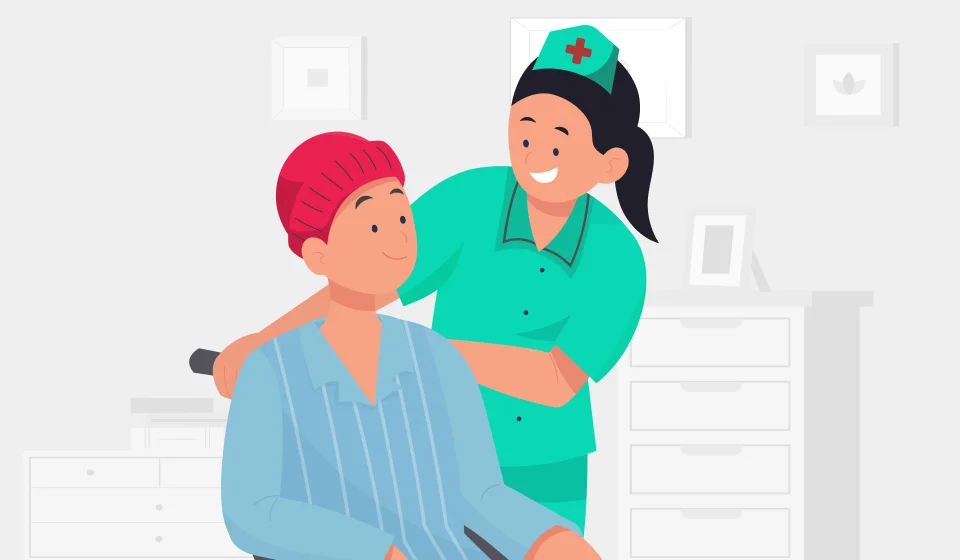
Guide On Infection Control In The Homecare Setting

Infection control in a homecare context refers to the structured practices used to prevent and manage the spread of infections while providing care in a non-clinical environment. Unlike hospitals or medical facilities, home settings are not inherently designed for healthcare delivery, which means maintaining hygiene relies heavily on awareness, routine, and consistency. Individuals receiving care at home are often more vulnerable, including older adults, people with chronic illnesses, or those with weakened immune systems, making infection risks more significant. Understanding how infections spread through contact, droplet, or airborne transmission is essential for caregivers and families alike. Effective infection control in home health care not only protects individuals but also supports recovery, reduces complications, and improves overall health outcomes.
Why Infection Control Is Essential In Homecare Settings
Infection control is a critical component of safe and effective homecare. While hospitals have strict protocols and controlled environments, homecare settings require a more adaptable approach without compromising safety standards. Without proper hygiene practices, infections can spread quickly, especially in shared living spaces where multiple people interact daily.
For individuals receiving care at home, particularly those with complex health needs, even minor infections can lead to serious complications. Maintaining strong infection control practices at home helps prevent avoidable health risks and ensures that individuals can continue receiving care safely in familiar surroundings.
- Prevents healthcare-associated infections in home environments.
- Protects both patients and caregivers from cross-contamination.
- Reduces complications in individuals with weakened immune systems or chronic illnesses.
- Minimises hospital readmissions caused by preventable infections.
- Supports public health by limiting the spread of infectious diseases.
Common Sources Of Infection In Home Environments
Home environments can unintentionally become breeding grounds for bacteria and viruses if hygiene practices are inconsistent. Unlike clinical settings, where cleaning protocols are strictly followed, homecare depends on daily habits and awareness. Identifying common sources of infection is the first step towards effective prevention.
High-touch surfaces are among the most common contributors to infection spread. Items such as door handles, light switches, and mobility aids are frequently used but often overlooked during cleaning routines. These surfaces can harbour harmful microorganisms that transfer easily between individuals.
In addition to surfaces, poor hygiene practices and improper handling of equipment can increase infection risks. Medical devices used at home, if not cleaned correctly, can become sources of contamination. Similarly, improper waste disposal can expose both patients and caregivers to harmful pathogens.
- High-touch surfaces including switches, bed rails, and mobility aids.
- Inadequate hand hygiene practices.
- Contaminated medical equipment such as thermometers and monitors.
- Improper disposal of waste like dressings and gloves.
- Shared household items such as towels, utensils, and bedding.
Key Principles Of Infection Prevention & Control
Effective infection control home care strategies are built on a foundation of consistent and evidence-based practices. These principles are designed to minimise the risk of infection transmission while maintaining a safe and supportive care environment.
One of the most important concepts is breaking the chain of infection, which involves understanding how infections originate, how they spread, and how individuals can be protected. This requires a proactive approach that includes proper hygiene, risk assessment, and adherence to established guidelines.
- Apply standard precautions to all individuals regardless of diagnosis.
- Break the chain of infection by addressing source, transmission, and host.
- Conduct risk assessments before delivering care.
- Follow evidence-based infection control guidelines.
- Maintain a clean and organised care environment.
Hand Hygiene & Personal Protective Measures
Hand hygiene is widely recognised as the most effective method of preventing infection transmission. It forms the foundation of any home care infection prevention and control program and plays a vital role in reducing the spread of harmful microorganisms.
Consistent and correct hand hygiene practices can significantly reduce infection risks. Caregivers must understand when and how to clean their hands, as well as how to use personal protective equipment appropriately to protect both themselves and those in their care.
- Perform hand hygiene before and after patient contact.
- Clean hands after exposure to bodily fluids or contaminated surfaces.
- Use soap and water or alcohol-based hand rub effectively.
- Wear appropriate Personal Protective Equipment such as gloves and masks.
- Follow proper procedures for putting on and removing PPE.
Cleaning, Disinfection & Waste Management Practices
Maintaining cleanliness in a homecare environment requires more than occasional cleaning. It involves a structured approach that includes both cleaning and disinfection. Cleaning removes visible dirt and debris, while disinfection eliminates microorganisms that may cause infections.
A consistent cleaning routine is essential, particularly for high-touch surfaces that are more likely to harbour pathogens. Using the right cleaning products and following safe handling practices ensures that the environment remains hygienic without introducing additional risks.
Waste management is another critical aspect of infection control. Improper disposal of clinical waste can lead to contamination and injury. Safe disposal practices help protect everyone in the household and maintain a clean environment.
- Regular cleaning and disinfection of frequently touched surfaces.
- Use of appropriate cleaning agents and disinfectants.
- Safe storage and handling of cleaning products.
- Proper laundry practices for contaminated items.
- Safe disposal of clinical waste and sharps.
Role Of Caregivers In Maintaining A Safe Homecare Environment
Caregivers play a central role in ensuring effective infection control for home care workers, acting as the first line of defence against infection risks. Their responsibilities extend beyond providing care to include maintaining hygiene standards, monitoring for early signs of infection, and ensuring that all safety protocols are followed consistently.
By staying informed and vigilant, caregivers can identify potential risks early and take appropriate action. This includes recognising symptoms such as fever, redness, or behavioural changes that may indicate infection. Caregivers also play an important role in educating patients and family members about hygiene practices and ensuring that everyone involved in the care process understands their responsibilities.
Maintaining open communication with healthcare professionals is essential, as it allows for timely intervention and guidance when needed. Infection control is not a one-time effort but an ongoing process that requires consistency, adaptability, and attention to detail. By promoting a culture of cleanliness, safety, and awareness, caregivers help create a supportive environment that enhances patient wellbeing and recovery.
Latest Post
Types, Roles & Duties Of Community Health Nurses
What Is Respite Care And How Does It Work?

Complete Guide For Aged Care Quality Standards
Personal Care Attendant (PCA): What they do & why they matter
The Complete Guide To Homecare Packages
Is Homecare a Good Job? Salary, Demand & Benefits
Everything you need to know about homecare packages
5 Reasons why nurses choose to work in aged care
Supporting Seniors Through Life Transitions with Compassionate Homecare