Benefits Of Homecare For Seniors & Families

Benefits Of Homecare For Seniors & Families Homecare services play an increasingly important role in supporting older Australians to live safely and comfortably in their own homes. Rather than relocating to residential facilities, many seniors are now choosing in-home support that adapts to their changing needs while preserving independence and familiarity. Across Australia, the demand for professional homecare continues to grow due to an ageing population, rising healthcare awareness, and a strong preference for ageing in place. Homecare benefits a wide group of people, including seniors who wish to remain independent, families seeking reliable support for loved ones, and caregivers who need professional assistance to share care responsibilities. However, families often have concerns before choosing homecare, such as safety, quality of care, affordability, and whether in-home support can truly meet complex needs. This guide helps readers understand how homecare works, the benefits of in homecare for seniors, how families can make informed care decisions, and why personalised homecare can be a practical and compassionate alternative to residential care. Why Homecare Is Important For Seniors? Ageing brings a range of physical, emotional, and cognitive changes that can make everyday living more challenging. Once routine tasks may become difficult, increasing the risk of injury, isolation, or declining health when support is not available. Homecare is important because it allows seniors to receive assistance while maintaining autonomy, dignity, and control over their daily lives. By supporting ageing in place, homecare helps older adults remain connected to their community and reduces the need for early institutionalisation through flexible, personalised care planning. Supports independence while providing necessary assistance. Preserves dignity through respectful, person-centred care. Helps seniors remain in familiar surroundings. Reduces risks associated with living alone. Encourages routine and stability. Supports mobility and daily functioning. Addresses both physical and emotional well-being. Adapts to changing health needs over time. Delays or prevents entry into residential care. Enables personalised care plans tailored to individual goals. Key Benefits Of Homecare At Home One of the most significant benefits of homecare is the ability to deliver one-to-one support that is tailored to individual needs. Unlike shared care environments, homecare focuses entirely on the person receiving care, ensuring attention, consistency, and responsiveness. Homecare also offers flexibility that traditional care settings often cannot. Care schedules can be adjusted as needs change, whether support is required for a few hours a week, daily visits, or more comprehensive live-in arrangements. This adaptability makes homecare suitable for a wide range of situations and budgets. Personalised one-to-one care focused on individual needs. Flexible schedules that fit daily routines. Comfort and familiarity of the home environment. Cost-effectiveness compared to full-time residential care. Assistance with essential daily activities. These homecare benefits allow seniors to maintain routines, independence, and a sense of normalcy while receiving professional support. Support With Daily Living Activities Daily living activities are often the first areas where seniors experience difficulty, particularly as mobility, memory, or health conditions change. Homecare provides practical assistance that supports safety and wellbeing without removing independence. Medication management and reminders help reduce the risk of missed doses or medication errors, which is especially important for seniors managing multiple prescriptions. Care professionals also assist with mobility, helping to reduce the risk of falls and injuries within the home. Homecare includes monitoring of chronic conditions, early identification of health changes, and infection control practices that are often safer than shared care environments. Support from trained and qualified caregivers ensures seniors receive reliable assistance while maintaining comfort and dignity in their own homes. Emotional Benefits Of Staying At Home Remaining at home has a significant positive impact on emotional and mental wellbeing for many seniors. Familiar surroundings provide comfort, reduce stress, and help individuals feel secure and in control of their environment. Homecare supports emotional health by maintaining social connections, encouraging routine, and reducing feelings of loneliness or isolation. These emotional benefits of homecare are often just as important as physical support. Reduced anxiety and stress levels. Emotional comfort from familiar surroundings. Continued connection with neighbours and community. Lower risk of social isolation. Improved confidence and self-esteem. By supporting emotional stability, homecare contributes to overall quality of life and long-term wellbeing. Benefits Of Homecare For Families Homecare does not only support seniors, it also provides meaningful benefits of homecare for families. Many family members take on caregiving roles without formal training, which can lead to physical exhaustion and emotional stress over time. Professional homecare reduces caregiver burnout by sharing responsibilities and providing reliable, skilled support. Families gain peace of mind knowing their loved ones are receiving safe and consistent care from qualified professionals. Homecare also allows families to remain involved in care planning while balancing work, personal responsibilities, and family life. This flexible involvement often leads to stronger relationships, improved communication, and a more sustainable care arrangement for everyone involved. Homecare Compared To Residential Care When comparing homecare to residential aged care facilities, several key differences become clear. Homecare allows seniors to remain in a private environment with control over daily routines, visitors, and personal preferences. Residential care can be suitable for individuals with complex or high-level needs, but it often comes with higher costs, shared spaces, and less personalised attention. Homecare provides greater flexibility, privacy, and individual focus, which can have a positive emotional impact on seniors who value independence. While residential care may still be required in some situations, many families find that homecare offers a balanced solution that supports safety, wellbeing, and autonomy for as long as possible. When Homecare Is the Right Choice Homecare may be the right choice when seniors begin to struggle with daily activities, experience changes in health or mobility, or require additional support to remain safe at home. Early intervention can prevent accidents, hospitalisations, and unnecessary stress. Homecare is suitable for a wide range of care needs, including personal care, nursing support, disability assistance, and companionship. It can be arranged on a short-term basis following illness or surgery, or as a long-term solution that adapts as needs change. Assessing care requirements involves understanding health
How To Excel Aged Care Interview
How To Excel Aged Care Interview Aged care interviews are designed to assess far more than technical skills alone. Employers look for a balance of clinical competence, personal values, communication ability and professional judgement. Preparation for an aged care job interview is therefore essential, as candidates are expected to demonstrate not only what they know, but how they apply that knowledge in real care situations. Interview panels assess qualities such as empathy, accountability, safety awareness and teamwork alongside experience and qualifications. This guide is designed to help candidates understand what is being evaluated during aged care interviews and how thoughtful preparation can help them perform confidently and professionally. Clinical Responsibilities & Expectations In Aged Care Roles Working in aged care involves a combination of clinical, personal and ethical responsibilities. Interviewers often explore whether candidates understand the realities of day-to-day care and the expectations that come with supporting older people. This includes an understanding of duty of care, adherence to care plans and the ability to work safely within defined role boundaries. Candidates are frequently asked to describe their understanding of the specific job title they are applying for, whether as a carer, support worker, enrolled nurse or registered nurse. Clear role awareness demonstrates professionalism and reduces risk in care delivery. Employers also want to see reliability, attention to detail and an understanding of when to escalate concerns to senior staff. Providing daily personal care while maintaining dignity and respect. Supporting mobility, nutrition and hygiene needs safely. Understanding and applying duty of care principles. Identifying and reporting changes in a resident’s condition. Following individual care plans accurately. Completing documentation clearly and on time. Working within the scope of practice and role boundaries. Escalating concerns through appropriate clinical pathways. Maintaining professionalism in all interactions. Demonstrating accountability and reliability on every shift. Interview questions may ask candidates how they manage prioritising multiple tasks while ensuring adequate time for each resident. Strong answers highlight organisation, safety awareness and an ability to balance efficiency with compassionate care. Demonstrating Person-Centred & Dignity-Focused Care Person-centred care is a core principle in Australian aged care and a major focus during interviews. Employers want reassurance that candidates understand residents as individuals, not tasks. This includes recognising personal histories, cultural backgrounds, preferences and rights. Respecting dignity means involving residents in decisions about their care, promoting independence wherever possible and ensuring privacy at all times. Interview panels often explore how candidates handle challenging situations while caring for older people, looking for calm, respectful and ethical responses. Building trust with residents requires consistency, empathy and clear communication. Candidates may be asked to share examples of compassionate care or describe how they would support residents experiencing distress or confusion. Treating residents with respect, dignity and empathy. Supporting independence and informed choice. Respecting cultural, spiritual and personal preferences. Maintaining privacy during care delivery. Creating emotional safety through consistency and kindness. Strong interview responses often include real examples that show how person-centred values guide daily practice, particularly during difficult or sensitive situations. Aged Care Interview Tips Preparation plays a significant role in interview performance. Researching the employer, their values and care model helps candidates tailor responses and demonstrate genuine interest. Understanding whether an organisation focuses on residential care, community support, or in-home services allows applicants to align their examples accordingly. Using real-life experiences is one of the most effective aged care interview tips. Candidates should prepare examples that demonstrate problem-solving, teamwork and ethical decision-making. Managing interview nerves through practice and preparation helps ensure answers remain clear and confident. Interviewers also value thoughtful questions at the end of the interview. Asking about team support, training opportunities or care approaches shows engagement and professionalism. Candidates should also prepare for practical questions such as how to reply for interview request job in aged care, ensuring responses are timely, polite and professional. Answering Common Aged Care Interview Questions Many aged care interview questions and answers are scenario-based. These questions assess how candidates respond to real-world challenges, including unexpected situations, competing priorities and communication difficulties. Interviewers often ask common questions asked in aged care interview settings, such as how candidates handle emergencies or manage workload pressures. Clear structure is important when answering. Candidates should describe the situation, explain their actions and reflect on the outcome. Questions about challenging situations, collaboration with colleagues or handling difficult conversations with families are designed to assess judgement and emotional intelligence. Avoiding vague responses is key. Interviewers want specific examples that demonstrate responsibility, teamwork and problem-solving. Confidence grows when candidates practise articulating their experiences clearly and honestly. Knowledge of Aged Care Standards, Safety & Compliance Regulatory awareness is a strong indicator of professionalism in aged care roles. Interviewers frequently assess candidates’ understanding of the Aged Care Quality Standards and the Aged Care Code of Conduct. This knowledge demonstrates commitment to safe, ethical and compliant practice. Candidates may also be asked about the Australian National Aged Care Classification and Quality Indicators. While not all roles require in-depth knowledge, a general understanding shows engagement with the broader aged care system and its focus on quality improvement. Safety, infection control and risk management are non-negotiable in aged care. Employers expect candidates to understand their responsibilities in maintaining a safe environment for residents, colleagues and visitors. Ethical conduct and compliance with policies are essential components of high-quality care. Communicating Effectively With Residents, Families & Care Teams Communication is central to successful aged care practice and is closely examined during interviews. Candidates are often asked how they ensure effective communication with residents who have cognitive or communication impairments. Strong answers highlight patience, adaptability and respect. Handling difficult conversations with families or external stakeholders requires professionalism and empathy. Interviewers want to see that candidates can listen actively, provide clear information and manage emotions appropriately. Collaboration with colleagues is equally important, as aged care relies on teamwork to deliver consistent and safe care. Demonstrating successful collaboration examples shows an ability to contribute positively to team culture and improve outcomes for seniors. Maintaining respectful communication in all situations reflects maturity and professionalism.
Communication Strategies For Deaf Clients In Homecare

Communication Strategies For Deaf Clients In Homecare Clear and effective communication is a cornerstone of safe, high-quality homecare. In a home environment, where care is personal and often one-to-one, communication shapes not only how care is delivered but also how clients experience dignity, trust and independence. For Deaf and hard-of-hearing clients, communication needs can differ significantly from those of hearing individuals, requiring thoughtful, inclusive and flexible approaches from care providers. Deaf clients may use Auslan, rely on lip-reading, prefer written communication or use a combination of methods depending on context and personal preference. Understanding these differences is essential for delivering person-centred care. When communication is effective, it reduces the risk of misunderstandings, improves clinical safety, strengthens therapeutic relationships and enhances overall care quality. Inclusive communication practices are therefore not optional but fundamental to respectful homecare that recognises each individual’s rights, preferences and autonomy. Understanding Communication Needs In Homecare Deaf and hard-of-hearing individuals are not a single, uniform group. Some people identify as culturally Deaf and primarily use Auslan as their first language, while others may have partial hearing loss and rely on lip-reading, hearing devices or written communication. These differences influence how information is best shared and understood. In homecare, individualised communication approaches are particularly important. Unlike clinical environments where systems and supports are standardised, homecare requires practitioners to adapt to each client’s unique preferences within their personal space. Taking the time to understand how a client prefers to communicate demonstrates respect and supports person-centred care. Respectful communication also means recognising that Deaf clients are experts in their own needs. Rather than making assumptions, care providers should ask, observe and adjust. This approach strengthens trust and ensures communication aligns with the client’s comfort, cultural identity and daily routines. Professional Communication Support Professional communication support plays an important role in ensuring accuracy and clarity when complex or sensitive information is being discussed. Book An Interpreter There are situations where professional interpreters are essential, particularly during assessments, care planning discussions, consent processes or when conveying complex medical information. Qualified interpreters ensure information is communicated accurately and in a culturally appropriate manner. Using trained interpreters also supports confidentiality and reduces the risk of misinterpretation that can occur when relying on family members or informal supports. In homecare, arranging interpreter services demonstrates a commitment to accessible care and aligns with best practice standards for communication with deaf people. Best Practices For Direct Communication Direct, respectful interaction forms the foundation of meaningful communication in homecare. Simple adjustments in approach can significantly improve understanding and client comfort. Talk Directly To Your Client Communication should always be directed to the client, not to accompanying family members or carers. Speaking directly promotes dignity, autonomy and inclusion. It reinforces the client’s role as an active participant in their own care and avoids creating feelings of exclusion or dependency. Make Sure You Have The Client’s Attention Before Speaking Gaining attention respectfully is essential before beginning a conversation. This may involve a gentle wave, a light tap on a surface or waiting until the client is visually engaged. Sudden approaches or speaking without visual engagement can be confusing or startling, particularly in a quiet home environment. Maintain Eye Contact While Communicating Eye contact supports lip-reading, facial expression recognition and non-verbal cues. It also builds rapport and trust, signalling attentiveness and respect. Maintaining visual engagement throughout the interaction helps ensure messages are received clearly and supports effective communication with the deaf and hard of hearing. Speaking Clearly & Naturally How speech is delivered can be just as important as what is said. Clear, natural communication supports understanding without drawing unnecessary attention to differences. Use Normal Lip Movement Exaggerated mouth movements can distort lip patterns and make lip-reading more difficult. Natural articulation allows clients who rely on visual cues to better interpret spoken language. Speaking at a steady pace also supports clarity. Speak At Your Normal Volume Raising your voice does not improve understanding and may feel uncomfortable or disrespectful. Many Deaf clients do not rely on sound, and those with partial hearing benefit more from clarity than volume. Calm, clear speech delivered at a normal volume supports respectful interaction and reduces communication barriers. Creating A Supportive Communication Environment The physical environment plays a significant role in communication effectiveness, particularly in homecare settings where lighting and layout vary widely. Make Sure The Room Is Well Lit Good lighting is essential for lip-reading, facial expressions and visual cues. Care providers should ensure light sources are positioned to illuminate faces clearly, avoiding shadows or glare. Adjusting curtains or moving to a brighter space can make a significant difference to communication quality. Using Simple & Visual Communication Tools Visual and simplified communication tools are valuable supports that enhance understanding and reduce reliance on verbal explanations alone. Use Plain English Using plain English helps ensure messages are clear and accessible. Avoiding jargon, complex terminology and long sentences reduces cognitive load and minimises misunderstanding. Short, direct statements are easier to follow and support effective communication. Use Written Notes Or Diagrams Written notes, diagrams or simple visual aids can reinforce spoken information and provide a reference for later. In homecare, these tools are especially useful for medication instructions, care routines or explaining procedures. Visual supports are practical communication methods for deaf people and can be easily adapted to individual needs. Use Gestures & Facial Expressions Gestures and facial expressions complement spoken or signed communication by adding context and emphasis. Natural, expressive communication supports understanding and helps convey tone, intent and emotion. Non-verbal cues are a powerful tool when words alone are insufficient. Point To Parts Of The Body When discussing health concerns or care tasks, pointing to parts of the body can clarify meaning and reduce confusion. This approach is particularly helpful when explaining symptoms, procedures or areas requiring attention, supporting safe and accurate care delivery. Confirming Understanding Effective communication is not complete without confirming that information has been understood as intended. Check Your Client Understands You Encouraging feedback and clarification helps identify misunderstandings early. Asking open-ended questions
What Happens To Unspent Homecare Package Funds?

What Happens To Unspent Homecare Package Funds? Homecare Packages are a key part of Australia’s aged care system, designed to support older people to live independently and safely in their own homes for as long as possible. Each homecare package provides a budget that can be used for approved care and services based on an individual’s assessed needs. While many people focus on accessing services, understanding how the funding itself works is just as important, particularly when some of the allocated funds are not immediately used. Unspent homecare package funds can accumulate for a range of reasons, and they often raise questions for older Australians, families, and carers who review monthly statements and notice balances growing over time. This article explains how unspent funds are managed, what happens to them when circumstances change, and how they can be used strategically to support future care needs. It is written for homecare package recipients, their families, carers, and representatives who want clear, practical information to help them make informed decisions. What Are Unspent Homecare Package Funds? Unspent homecare package funds refer to the portion of a person’s allocated homecare package budget that has not yet been used for care or services. Each package level comes with a set amount of government funding, which is paid to the approved provider on a regular basis. When services cost less than the funds received during a given period, the remaining balance is recorded as unspent funds. These unspent funds are typically shown on a client’s monthly homecare package statement. The statement usually outlines: The total funds received from the government. Any income-tested care fees paid by the client, if applicable. Expenditure on care and services. Administration and management fees. The remaining unspent balance. It is important to understand the difference between care funds and administration fees. Care funds are the portion of the budget used directly for services such as personal care, nursing, or allied health. Administration and management fees cover the costs of coordinating services, care planning, compliance, and reporting. Both are legitimate uses of the package, but only funds not allocated to either category appear as unspent. Why Homecare Package Funds May Go Unused There are several common reasons why homecare package funds may not be fully spent straight away. In many cases, unspent funds are not a sign of a problem but reflect how care needs and services evolve. One common reason is delays in accessing services. This can occur when a package is first assigned, and it takes time to organise care plans, source suitable workers, or schedule services that match the individual’s preferences. Changes in care needs can also lead to unspent funds. A person’s health and support requirements may fluctuate, meaning they use fewer services during some periods and more during others. For example, someone recovering well may temporarily reduce the level of support they need. Some people choose conservative spending as part of future planning. They may intentionally allow funds to accumulate so they can respond to increased care needs later, such as after a hospital admission or during periods of illness. Service availability or scheduling issues can also play a role, particularly in regional or remote areas where access to certain services may be limited. In these cases, funds may build up until appropriate services become available. How Unspent Funds Are Managed Over Time Unspent homecare package funds do not disappear at the end of each month. Instead, they generally roll over and accumulate over time, remaining available for future use while the person continues to receive care under the homecare package program. The government allows unspent funds to be carried forward, provided the person remains eligible for the package and continues to receive services through an approved provider. These accumulated funds can then be used to meet future care needs that may be more complex or costly. However, it is important to be aware that government rules and aged care reforms can affect how funds are managed. Policies may change over time, particularly as Australia transitions toward new aged care funding models. Staying informed and regularly reviewing statements with a provider can help ensure funds are being managed appropriately. Changes in package level can also affect unspent funds. When a person moves from a lower-level package to a higher-level one, existing unspent funds usually remain available and are added to the new package budget. This can provide additional flexibility in planning services, especially during periods of increasing support needs. What Happens To Unspent Funds If You Change Providers? Many people choose to change homecare package providers at some point, often to find a better service fit or more flexible care arrangements. When this happens, unspent homecare package funds generally transfer to the new provider. The transfer process involves administrative steps to ensure the correct balance moves across. The outgoing provider prepares a final statement that details: Funds received up to the transfer date. Services delivered and fees charged. The remaining unspent balance. This balance is then passed on to the new provider, who continues to manage the funds on behalf of the client. While the funds themselves transfer, the way they are used may differ depending on the new provider’s pricing structure and service offerings. When reviewing new service agreements, it is important to: Understand how administration and care management fees are structured. Clarify how unspent funds will be used going forward. Ask how care plans will be reviewed and updated. Taking time to review these details helps ensure that unspent funds continue to support care needs effectively after the change. What Happens To Unspent Funds When Care Ends? Homecare package arrangements may end for a range of reasons, including a move into residential aged care, a transition to another care program, or the passing of the care recipient. When care ends, unspent funds are handled according to government rules. In most cases, unspent homecare package funds are returned to the government rather than paid out to the individual or their family. This reflects the
Types, Roles & Duties Of Community Health Nurses
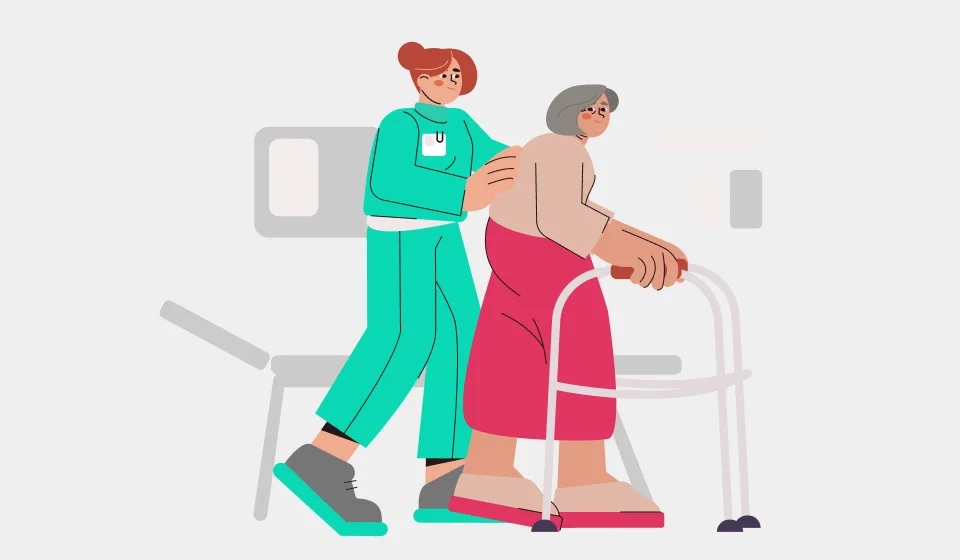
Types, Roles & Duties Of Community Health Nurses Community health nursing plays a vital role in promoting wellness and preventing disease across populations. This guide explores the various types of community health nursing, the essential roles, and the day-to-day responsibilities that these nurses fulfil. When most people think of nursing, they picture hospital wards, emergency rooms, or clinical settings. However, community health nursing takes healthcare beyond these walls and into the heart of where people live, work, and gather. These dedicated professionals serve as the bridge between healthcare systems and communities, working to improve health outcomes for entire populations rather than just individual patients. Community health nurses are found in schools, community centres, homes, workplaces, and public health facilities across Australia. They focus on prevention, education, and early intervention, addressing health challenges before they escalate into serious conditions requiring hospitalisation. What Is Community Health Nursing? Community health nursing is a specialised field that focuses on promoting and preserving the health of populations within specific geographic areas or communities. Unlike acute care nursing, which centres on treating individual patients with immediate health concerns, community health nursing takes a broader, preventive approach that considers the social, environmental, and economic factors influencing health outcomes. At its core, community health nursing is about meeting people where they are. These nurses work outside traditional healthcare facilities, providing services in homes, schools, community centres, and other accessible locations. This approach removes barriers to healthcare access and allows nurses to observe firsthand the conditions affecting their clients’ well-being. The practice encompasses three interconnected levels of care. At the individual level, community health nurses provide direct care to patients in their homes or community settings. At the family level, they work with entire households to promote healthy behaviours and manage chronic conditions. At the population level, they develop programmes that address health concerns affecting large groups. Whether supporting families through NurseLink Healthcare’s in-home care services or coordinating disability support through NDIS programmes, community health nurses embody the principle that quality healthcare should reach everyone in their own environment. Types Of Community Health Nursing Community health nursing encompasses numerous specialisations, each addressing specific population needs. Public health nurses work at the population level, focusing on disease prevention and health promotion for entire communities. They coordinate vaccination programmes, conduct epidemiological surveillance, and develop health education campaigns. School nurses serve as primary healthcare providers in educational settings, caring for students from preschool through university. Beyond treating minor injuries, they manage chronic conditions, provide health education, and create individual health plans. Home health nurses deliver skilled nursing care to patients in their residences, supporting those recovering from illness, managing chronic conditions, or receiving palliative care. They perform assessments, administer medications, and educate family members about caregiving. Occupational health nurses work in corporate or industrial settings, protecting and promoting employee health and safety. They treat workplace injuries, conduct health screenings, and develop wellness programmes. Mental health community nurses specialise in supporting individuals with psychiatric conditions outside institutional settings. They provide medication management, crisis intervention, and care coordination. Rural and remote area nurses serve populations in isolated locations where healthcare access is limited. These generalist nurses must possess broad clinical skills and often work independently. Key Roles & Responsibilities Community health nurses fulfill diverse responsibilities that extend beyond traditional nursing duties, requiring clinical expertise, cultural sensitivity, and strong advocacy abilities. Direct care provision remains fundamental. Community health nurses assess patients, develop care plans, administer treatments, and monitor health conditions. Unlike hospital nurses, they often maintain long-term relationships with clients. Health education and promotion constitute significant portions of their work. They teach individuals, families, and groups about disease prevention, healthy behaviours, nutrition, and self-care techniques, translating complex health information into practical guidance. Case management and care coordination are essential functions, particularly for clients receiving NDIS or aged care services. Community health nurses assess total needs, connect clients with resources, coordinate services among providers, and monitor outcomes. Assessment and screening form another crucial responsibility. These nurses conduct comprehensive health assessments considering physical symptoms, mental health, social support, and environmental factors. They perform screenings for conditions like hypertension and diabetes, identifying concerns early. Advocacy represents a vital responsibility. Community health nurses advocate for individual clients and at the system level for policies promoting health equity, giving voice to vulnerable populations. Importance Of Community Health Nursing Community health nursing serves as a cornerstone of Australia’s healthcare system, delivering benefits beyond individual patient care. Prevention and early intervention are the most significant contributions. By identifying health concerns early and preventing disease development, these nurses reduce the burden on acute care facilities. A community health nurse helping a client manage diabetes effectively prevents costly complications. Community health nurses reach underserved and vulnerable populations, working with people facing barriers to traditional healthcare services. Through services like those provided by NurseLink Healthcare, they ensure quality healthcare reaches everyone regardless of circumstances. The holistic, patient-centred approach produces superior outcomes. These nurses address underlying factors affecting health, considering housing conditions, financial stress, social isolation, and family dynamics. Community health nursing strengthens the healthcare system’s efficiency. By providing care in homes and community settings, these nurses reduce healthcare costs while delivering convenient, comfortable care. Benefits Of A Community Health Nursing Career Community health nursing offers distinctive advantages for nurses considering their career path. Autonomy and independence characterise the practice, with nurses making independent clinical judgements and managing their own schedules. Diverse work environments provide variety, from home visits to school health screenings to community workshops. Strong therapeutic relationships develop through continuity of care, with nurses working with clients over months or years. Work-life balance is more achievable, with most positions following regular business hours without rotating shifts. Holistic practice allows consideration of psychological, social, environmental, and spiritual factors affecting health. Impact visibility provides satisfaction, with nurses seeing direct results of their interventions. Characteristics Of A Successful Community Health Nurse Succeeding in community health nursing requires particular skills and personal qualities beyond basic nursing competencies. Strong communication skills are essential. Community health nurses must explain
What Is Respite Care And How Does It Work?

What Is Respite Care and How Does It Work? Caring for a loved one can be deeply rewarding, but it can also be physically and emotionally demanding. Many carers find themselves juggling work, family responsibilities and their own health while providing ongoing support. Over time, this can lead to exhaustion, stress and burnout. It is in these moments that temporary support becomes not just helpful, but essential. Respite care offers a practical short term solution for carers who need a break, while ensuring their loved one continues to receive safe, professional and compassionate care. It is designed to provide continuity, reassurance and flexibility without the pressure of making long term care decisions. This blog explains what respite care is, how it works in practice, who it is designed for, the types of respite care available, how long it lasts, and how to qualify for respite care in Australia. By simplifying a complex topic, this guide aims to help carers, families and individuals make informed decisions with confidence. What Is Respite Care? At its core, respite care meaning refers to temporary care provided to a person so their usual carer can take a break. This care may last a few hours, a weekend, or several weeks, depending on the situation and funding arrangements. The primary purpose of respite care is to support carers by offering short term relief, while maintaining a high standard of care for the person receiving support. It allows carers time to rest, attend appointments, travel, or simply recharge, knowing their loved one is in capable hands. Respite care can be delivered by approved providers, trained support workers, nurses or specialised respite care facilities. Services are tailored to the individual’s needs and may include personal care, medication support, meal preparation, companionship and assistance with daily activities. Unlike permanent or long term care arrangements, respite care is temporary and flexible. It does not require a permanent move or ongoing commitment. This is an important distinction, especially for families who are not ready to consider long term residential care but need short term assistance to maintain their caring role. How Does Respite Care Work? Respite care works by stepping in to provide care while the regular carer steps away for a defined period. The process is designed to be structured yet flexible, ensuring minimal disruption for the person receiving care. Respite can be planned in advance or arranged in response to unexpected situations. Planned respite is often used when carers need time off for holidays, personal commitments or scheduled medical procedures. Emergency respite may be required when a carer becomes unwell or faces sudden personal circumstances. The process usually involves several key steps. An initial assessment is conducted to understand the individual’s needs, routines and preferences. This may include medical requirements, mobility support, behavioural considerations and daily living assistance. Based on this assessment, a care plan is developed outlining the level of support required and the duration of care. The support level can range from basic supervision and companionship to complex nursing care, depending on the individual’s circumstances. Throughout the respite period, care continues seamlessly, following established routines as closely as possible. This consistency helps the person feel comfortable, safe and supported, even in the absence of their usual carer. Who Is Respite Care Designed For? Respite care is designed to support a wide range of individuals and caring situations, recognising that every care journey is different. Family carers are one of the primary groups who benefit from respite care. Whether caring for a partner, parent, child or other relative, carers often place their own wellbeing last. Respite allows them to rest, recover and sustain their caring role over the long term. People with disability, including NDIS participants, may use respite care to access short term support in a safe environment. This can help build independence, social skills and confidence, while also providing carers with peace of mind. Older Australians receiving aged care services may use respite care during times of transition, recovery or when family carers are temporarily unavailable. It can also provide an opportunity to experience supported care without committing to permanent arrangements. Individuals recovering from illness, injury or hospital stays may use respite care as part of their recovery process. Temporary support can assist with daily tasks, medication management and mobility while strength and independence are gradually restored. In all cases, respite care supports both carers and care recipients by maintaining balance, reducing stress and promoting overall wellbeing. Types Of Respite Care & Where It Is Provided Respite care is available in a range of settings to suit different needs, preferences and levels of support. Understanding the options can help families choose the most appropriate arrangement. Common types of respite care include: In-home respite Care – Care is provided in the individual’s own home, allowing them to remain in familiar surroundings. This option is often preferred for comfort and routine continuity. Centre-Based Day Respite – Support is delivered at a day centre or community facility, offering structured activities, social engagement and supervision during the day. Short Term Residential Respite – Care is provided in a residential setting for overnight or extended stays. This option is suitable when carers need longer breaks or when higher levels of support are required. Community-Based & Flexible Respite Options – These may include group activities, outings or short programs designed to provide both care and social participation. Choosing the right setting depends on factors such as the individual’s care needs, comfort level, social preferences and the duration of respite required. Flexibility is key, and many families find value in combining different respite options over time. Respite Care Availability & Duration The duration of respite care can vary widely. It may last for a few hours, several days or a few weeks, depending on individual needs and funding arrangements. Some carers use respite regularly for short breaks, while others rely on it during specific life events. Respite care availability is influenced by several factors. Funding type plays a significant role, as different
Complete Guide For Aged Care Quality Standards

Complete Guide For Aged Care Quality Standards Australia’s aged care system is built on clear expectations around quality, safety and dignity. As people live longer and care needs become more complex, the focus has shifted toward ensuring older Australians receive services that are not only clinically sound, but also respectful, consistent and centred on individual choice. The Aged Care Quality Standards sit at the heart of this framework, guiding how care is delivered and measured across the country. The purpose of the Aged Care Quality Standards is to protect older people, promote continuous improvement and hold providers accountable for the care they deliver. This guide is designed for older Australians, families, carers and service providers who want a clearer understanding of how the standards work in practice. By reading on, you will gain insight into what quality aged care looks like, what you should expect from providers, and how these standards support confident, informed decision-making. At NurseLink Healthcare, we see these standards as more than a compliance requirement. They shape how we deliver personalised, reliable and compassionate aged care, disability and nursing services across Australia. What Are The Aged Care Quality Standards? The Aged Care Quality Standards are a set of eight nationally enforced benchmarks that all approved aged care providers must meet. Introduced as part of broader aged care reforms, they replaced earlier standards to create a more consumer-focused and outcomes-driven system. Oversight of these standards sits with the Aged Care Quality and Safety Commission, an independent regulator responsible for assessing services, monitoring compliance and responding to concerns. The Commission conducts audits, handles complaints and ensures providers continually improve their systems and practices. The scope of the standards covers all types of government-funded aged care services, including home care, residential aged care and flexible care models. Their core purpose is to protect care recipients by ensuring services are safe, respectful, well-governed and responsive to individual needs, regardless of where or how care is delivered. Why The Quality Standards Matter Quality standards directly influence the safety, reliability and effectiveness of aged care services. When followed correctly, they help reduce risks, improve health outcomes and enhance day-to-day wellbeing for older people. They also play a critical role in protecting consumer rights and dignity. Older Australians have the right to be treated with respect, to make informed choices and to have their cultural values and preferences recognised. The standards reinforce these rights and place consumers at the centre of all care decisions. For providers, the standards create clear accountability. Organisations are expected to demonstrate strong leadership, skilled staffing and robust systems. Non-compliance can lead to sanctions, funding restrictions or loss of approval, highlighting how seriously quality and safety are taken within the aged care system. The 8 Aged Care Quality Standards Explained Together, the eight standards form a connected framework that supports person-centred care. Rather than operating in isolation, each standard reinforces the others, ensuring care is holistic, consistent and adaptable across different service types. Standard 1: Consumer Dignity & Choice This standard focuses on respect, independence and informed decision-making. Consumers should feel heard, valued and empowered to make choices about their care. Cultural safety, personal identity and individual preferences are recognised, with consumers actively involved in planning and reviewing their services. Standard 2: Ongoing Assessment & Planning Care needs change over time, which is why continuous assessment is essential. This standard requires providers to identify risks, assess needs and develop individualised care plans. Regular reviews ensure services remain appropriate, safe and aligned with each person’s goals and circumstances. Standard 3: Personal Care & Clinical Care Safe and effective delivery of personal and clinical care sits at the core of quality aged care. This includes strong clinical governance, evidence-based practices and careful management of health conditions and medications. The goal is to support health, comfort and independence while minimising harm. Standard 4: Services & Supports For Daily Living Quality care goes beyond medical needs. This standard addresses daily activities, lifestyle support and emotional wellbeing. Social connection, meaningful engagement and assistance with everyday tasks all contribute to maintaining independence and a positive quality of life. Standard 5: Organisation’s Service Environment A safe, clean and comfortable environment is essential, whether care is delivered at home or in a residential setting. Providers must manage risks, maintain infection control and ensure facilities and equipment are suitable for the people they support. Standard 6: Feedback & Complaints Open communication builds trust. This standard ensures consumers can easily provide feedback or make complaints without fear. Providers are expected to respond respectfully, resolve issues promptly and use feedback as a tool for service improvement. Standard 7: Human Resources High-quality care depends on skilled, compassionate people. This standard focuses on having qualified staff with the right training, experience and ongoing professional development. Appropriate staffing levels and workforce planning help ensure consistent, reliable care. Standard 8: Organisational Governance Strong leadership underpins everything. This standard requires clear accountability, effective quality management systems and active oversight of risks. Continuous improvement is central, ensuring services evolve alongside consumer needs and regulatory expectations. Changes In The New Aged Care Quality Standards Updates to the standards reflect lessons learned from reviews, inquiries and community feedback. Reforms aim to address gaps in care quality, strengthen protections and improve transparency across the sector. Key changes place greater emphasis on governance, risk management and consumer outcomes. Providers are expected to demonstrate not just policies, but real-world results. For consumers, this means clearer information, stronger safeguards and greater confidence in the services they receive. Services must prepare by reviewing systems, investing in staff training and embedding a culture of accountability and continuous improvement. Who Must Comply With The Standards All approved aged care providers funded under the Aged Care Act must comply with the standards. This includes organisations delivering home care, residential aged care and flexible care services. Responsibility does not sit solely with management. Every staff member plays a role in upholding quality and safety expectations. Assessors from the Aged Care Quality and Safety Commission monitor compliance through
Personal Care Attendant (PCA): What they do & why they matter
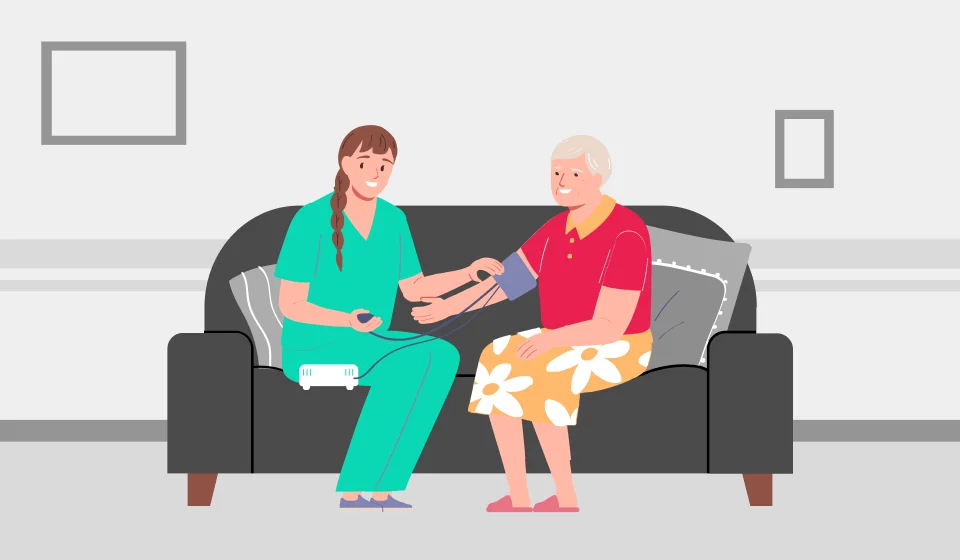
Personal Care Attendant (PCA): What They Do & Why They Matter Support coordination plays a crucial role in helping individuals navigate the complex landscape of care services and community supports. It ensures that people are connected to the right providers, understand their options clearly and receive guidance that aligns with their goals and personal preferences. Whether an individual requires aged care, disability supports, nursing interventions or day to day living assistance, strong coordination empowers them to make informed decisions and take control of their wellbeing. At NurseLink Healthcare, support is more than a service; it is a partnership centred on dignity, independence and quality of life. What Is A Personal Care Attendant? A Personal Care Attendant, often referred to as a PCA, is a trained professional who provides essential hands on support to people who require assistance with daily living tasks. In the healthcare and community support industry, PCAs are highly valued because they contribute directly to a person’s ability to live safely, comfortably and with self respect. PCAs work across a wide range of environments including home care settings, disability support services, aged care facilities, respite care programs and hospital support units. While titles such as caregiver, support worker and attendant care worker are sometimes used interchangeably, a PCA is specifically focused on direct personal care and everyday assistance. Their clients include elderly individuals, people living with physical or intellectual disabilities, those recovering from illness or injury and people with chronic conditions who need regular support. The presence of a PCA can be the difference between someone depending entirely on family or institutions and someone being able to enjoy an active, independent life in the comfort and familiarity of their own home. For families, PCAs bring peace of mind. For clients, they provide dignity, safety and practical help that enhances daily living. This combination makes the PCA profession one of the most vital roles in today’s care workforce. What Does A Personal Care Worker Do? A Personal Care Worker supports clients with daily activities that are essential for their quality of life and physical well-being. Their responsibilities are hands-on and require both professionalism and compassion. For example, one of their primary duties is assisting clients with personal hygiene, which includes bathing, toileting, grooming and dressing. These tasks require sensitivity and respect to maintain the client’s privacy, comfort and dignity. Mobility assistance is also central to the role. PCAs support clients with safe transfers from bed to chair, movement around the home and supervision when walking to prevent falls or injuries. This includes ensuring proper manual handling techniques are followed to protect both the client and the worker. Meal preparation and nutrition support are other important components of daily assistance. PCAs help plan and prepare food, monitor dietary requirements and assist with feeding if needed. For many clients, these services contribute significantly to maintaining strength, energy and overall health. Beyond physical care, PCAs provide invaluable companionship and emotional support. Whether engaging in conversation, recreational activities or memory stimulation exercises, they help reduce loneliness and promote cognitive wellbeing. They also monitor behavioural and physical changes and report any concerns to supervisors or health professionals, ensuring early intervention when needed. In many ways, the day-to-day work of a PCA closely aligns with home health aide duties and responsibilities, making them an essential part of the wider care team. How Do I Become A Personal Care Attendant? The pathway to becoming a PCA is structured, accessible and designed to strengthen both knowledge and practical skills. The minimum education requirement typically includes completion of secondary school and meeting a legal minimum age for employment in the care sector. However, the most recognised qualification is a Certificate III in Individual Support, which provides comprehensive training in personal care, safety procedures and professional practice. Students must also complete mandatory compliance checks, including a Police Check, Working With Children Check, and, where required, an NDIS Worker Screening Check. First Aid and CPR training are essential to ensure that a PCA is prepared to respond to emergencies and health-related incidents. During the course, trainees complete placement hours in real care environments. This hands-on exposure allows future PCAs to refine their approach, practice safety techniques and develop confidence in supporting individuals with different needs and abilities. Once qualified, candidates can apply for PCA roles through healthcare providers, aged care facilities, disability support organisations, nursing agencies and home care services. A strong resume emphasises experience, reliability, communication skills and a genuine passion for supporting people. Tailoring the application to highlight personal care attendant requirements can significantly increase success when applying for jobs in the sector. How Much Does A Personal Care Attendant Make? The income of a Personal Care Attendant varies based on experience, qualifications, location and the sector in which they work. On average across Australia, PCAs earn a competitive hourly rate and can reach a high annual income with consistent shifts. Those with years of experience or specialised skills such as dementia care, manual handling training or complex disability support typically attract higher rates. Pay differences also exist between sectors. Aged care, disability supports and hospital-based care may offer different hourly wages depending on demand and funding structures. PCAs who take night shifts, weekend shifts or work on public holidays usually receive penalty rates that significantly boost earnings. Many organisations also provide additional benefits such as travel reimbursement, training allowances and opportunities for professional development. For individuals seeking a stable and rewarding career with reliable income growth, the PCA role offers strong financial prospects and job security. Is Being A Personal Care Attendant Right For You? The personal care profession is highly rewarding but also demanding, making it important for individuals to consider their personal values, strengths and motivations before choosing this career. Successful PCAs are compassionate, empathetic and patient. They respect cultural and individual differences, listen attentively and understand the impact their support has on someone’s life. The role requires physical stamina as tasks may involve lifting, assisting with mobility and supporting clients throughout the day.
The Complete Guide To Homecare Packages

The Complete Guide To Homecare Packages Aged care support in Australia has undergone significant change, and one of the most positive shifts has been the growing availability of government funded home support. For many seniors and their families, remaining at home is not simply a preference, it is deeply tied to wellbeing, independence and dignity. The idea of ageing in place surrounded by familiar routines, personal belongings, neighbourhoods and social connections provides comfort and a sense of control. As a result, increasing numbers of Australians are seeking in home support rather than transitioning into residential aged care. Homecare Packages have become one of the most effective ways to access reliable help at home while ensuring care is tailored to the individual rather than a one size fits all arrangement. Demand for Homecare Packages continues to increase every year because they allow seniors to stay where they feel safe while receiving the nursing, personal care and allied health services they need to live well. Yet many families feel confused or overwhelmed when they start researching Homecare Packages, especially when navigating eligibility, wait times, funding, package levels and how to select the right provider. This guide has been created to simplify every aspect of the process so families can make informed decisions without unnecessary stress. Whether you are exploring support for yourself or a loved one, our aim is to help you understand how Homecare Packages work, what services they can include, how homecare package levels are structured, how much funding is available and how to choose a provider that will be a true partner in care. With clear information on eligibility, costs, the application journey and provider comparison, older Australians and their families can feel empowered and confident in securing the support they deserve. What Is A Homecare Package? A Homecare Package is a government funded aged care program that supports older Australians who need additional help to live independently at home. Rather than moving to a residential facility, seniors can receive ongoing and personalised support in their own environment, with services adjusted to match their changing goals, health conditions and daily living requirements. Every Homecare Package includes a personalised care plan that reflects the individual’s unique needs. Some people may only require occasional domestic help and transport support, while others may need regular nursing assistance to manage chronic illness or advanced mobility challenges. This flexibility makes Homecare Packages extremely valuable because no two people age the same way and each person deserves care that feels personal. It is important to distinguish a Homecare Package from the Commonwealth Home Support Programme. CHSP provides low level assistance for people who only require minimal support. Homecare Packages, on the other hand, are designed for those with greater or ongoing needs and offer a coordinated and long term approach to care. There is sometimes a misconception that all packages are identical, but that is not the case. HCPs are not a uniform or fixed system. They are tailored to the person and can be updated over time as health needs change or personal preferences evolve. Who Is Eligible For A Homecare Package? Eligibility for a Homecare Package is determined through My Aged Care and is based on a person’s ability to continue living independently and safely in their own home. Most people approved for a Homecare Package experience increasing difficulty with day to day activities, medical management or mobility. While every situation is different, common indicators include challenges with walking, reduced strength or balance, difficulty maintaining hygiene and grooming, challenges preparing meals, managing medication, cleaning or doing laundry, or requiring frequent support from family members. To determine eligibility, individuals undergo an ACAT or ACAS assessment. A trained assessor visits the home to evaluate daily living capacity, health conditions, mobility risks, safety hazards and the level of support needed to maintain independence. They also take time to understand the individual’s preferences, lifestyle and goals which is an essential part of creating a personalised plan if approval is granted. Many families wait until a crisis before seeking support, but an early application is always recommended. Signs that it may be time to apply include loss of confidence with daily tasks, missed medication, increased falls, noticeable weight loss, social isolation, carers feeling exhausted or overwhelmed, or a general decline in physical or cognitive function. Exploring Homecare Packages early allows support to be in place before health worsens or family members become burnt out. Homecare Package Levels Explained (Levels 1 To 4) There are four homecare package levels designed to match support to the person’s needs. The level assigned determines the funding available and the intensity of services provided. Level 1 Homecare Package – Basic support needsDesigned for people requiring only a small amount of assistance, usually a few hours of help each week. Services may include support with cleaning, meal prep, transport and occasional personal care. Level 2 Homecare Package – Low level supportSuitable for those who need slightly more regular support. This may include ongoing personal care, help with shopping, social support, medication reminders and some clinical support where required. Level 3 Homecare Package – Intermediate care needsFor people with more complex or frequent care requirements. This level may include daily personal care, regular nursing assistance, mobility support, chronic disease management and ongoing therapies from allied health professionals. Level 4 Homecare Package – High or complex care needsThis is the highest level of support and is designed for people who require a high degree of care. Services can include daily clinical support, advanced personal care, extensive mobility assistance, allied health therapies and constant oversight of health conditions. Each upward step increases the amount of funding available, allowing families to access more services as health needs evolve. It is common for people to begin with a lower level and move to a level 3 homecare package or a level 4 homecare package over time. If care needs change, families can request a reassessment to ensure the package continues to reflect the level of support required. What
Is Homecare a Good Job? Salary, Demand & Benefits

Is Homecare A Good Job? Salary, Demand & Benefits The homecare sector in Australia is experiencing unprecedented growth, creating thousands of opportunities for compassionate individuals seeking meaningful work. As our population ages and more families choose professional in-home support over residential facilities, the demand for qualified homecare workers continues to rise. This career path offers not just employment, but a chance to make a genuine difference in people’s lives whilst enjoying flexibility, job security, and pathways to professional development. Shift Toward In-home Support Australia’s demographic landscape is changing rapidly, with the number of people aged 65 and over expected to double by 2050. This aging population has created an urgent need for quality homecare services. Families increasingly recognise that remaining in familiar surroundings promotes better mental health and independence compared to institutional care settings. The demand for personalised and compassionate care has never been stronger. Clients want care providers who understand individual needs and deliver support with genuine empathy. Homecare package guidelines emphasise person-centred approaches, ensuring workers build meaningful relationships whilst delivering professional support tailored to each client’s unique circumstances. The industry appeals to jobseekers because of its accessible entry requirements. Unlike hospital careers demanding years of university education, homecare positions offer certificate-level qualifications that can be completed in months. This lower barrier, combined with government-funded homecare package levels supporting employment growth, makes the sector attractive to career changers and young people exploring healthcare professions. Many candidates are drawn to homecare because of the emotional fulfilment it provides. Workers witness the direct impact of their efforts every single day, creating a sense of purpose that transcends a simple paycheque. What Homecare Workers Actually Do Daily responsibilities are remarkably diverse, requiring practical skills, medical knowledge, and interpersonal abilities. At the core is assisting with activities of daily living—helping clients bathe safely, dress appropriately, prepare nutritious meals, and move around their homes without risk of falls. Health monitoring forms another crucial component. Homecare workers provide medication reminders and observe changes in physical condition or mental state that might indicate health concerns requiring professional medical attention. This vigilance can prevent medical emergencies. Practical support extends to light housekeeping duties maintaining safe, hygienic living environments, plus transport support to medical appointments and social activities. These tasks are vital for preventing isolation and maintaining quality of life that homecare package placement aims to achieve. Perhaps the most underestimated aspect is companionship. For many clients living alone, the homecare worker may be their primary source of social interaction, significantly impacting mental wellbeing. Effective homecare also requires coordination with registered nurses, doctors, and family members to ensure continuity of care. Homecare Worker Salary: What You Can Expect Workers can generally expect to earn a fare wage, translating to annual incomes ranging from approximately $50,000 to $70,000 for full-time positions. Entry-level workers with Certificate III qualifications typically start at the lower end, whilst experienced workers with additional certifications command higher rates. Geographic location significantly influences earning potential. Metropolitan areas often offer higher base rates due to increased cost of living, whilst regional positions may offer premium rates to attract workers. Experience and qualifications create clear pathways to increased earnings through Certificate IV qualifications and specialised training. When compared to similar roles, homecare offers competitive compensation. Aged care facility workers earn similar base rates but may have less flexibility. Disability support workers under NDIS frameworks frequently earn comparable or slightly higher rates. Beyond base salary, positions often include overtime opportunities, vehicle allowances, and weekend rates that significantly increase weekly earnings. Job Demand In The Homecare Industry The homecare sector is experiencing significant labour shortage, with demand far outstripping supply. Industry projections suggest hundreds of thousands of new positions will be created over the next decade, creating exceptional opportunities for jobseekers. Government policy changes have dramatically accelerated demand. The NDIS has channelled billions into personalised care packages, whilst aged care reforms have increased funding for homecare packages and prioritised keeping older Australians in their homes. These policy shifts represent long-term structural changes ensuring sustained demand well into the future. The broader healthcare system increasingly relies on in-home care models as hospitals face capacity constraints. The industry accommodates full-time positions offering stability, part-time roles suiting parents and students, and casual opportunities providing maximum flexibility. Benefits Of Working In Homecare Flexibility stands out as one of homecare’s most attractive features. Unlike rigid institutional rosters, homecare often allows employees to negotiate schedules that accommodate family commitments, study, or personal preferences, significantly contributing to work-life balance. Job security is exceptional and likely to remain strong for decades. The demographic inevitability of an aging population creates employment largely immune to economic downturns. Career progression opportunities are substantial—experienced workers often transition into registered nursing, support coordination roles, or specialised care pathways. The deep sense of fulfilment cannot be overstated. Workers consistently report that relationships built with clients and knowledge that their work directly improves lives creates satisfaction that financial rewards cannot match. Challenges Of A Homecare Career Physical demands are substantial. Workers spend considerable time on their feet, assist clients with transfers requiring proper body mechanics, and perform tasks placing strain on the back and shoulders. Emotional challenges are equally significant – supporting clients through decline and maintaining professional boundaries requires emotional resilience. Some clients present complex needs requiring advanced problem-solving skills. Challenging behaviours related to dementia or mental health conditions can be difficult to manage when working alone. The nature of homecare involves regular travel between client homes, adding unpaid time and requiring reliable personal transportation. Is A Homecare Job Right For You? Certain personality traits predict success: genuine compassion, patience, strong communication skills, and reliability. The work environment differs dramatically from traditional settings – workers operate independently in clients’ homes, which vary enormously in cleanliness and organisation. Before commencing work, prospective workers must complete Certificate III in Individual Support, criminal history checks, and first aid certification. Consider this: Do you genuinely enjoy helping others? Can you maintain composure in emotionally challenging situations? Are you physically capable of care work demands? If yes, homecare