Amelias – Journey
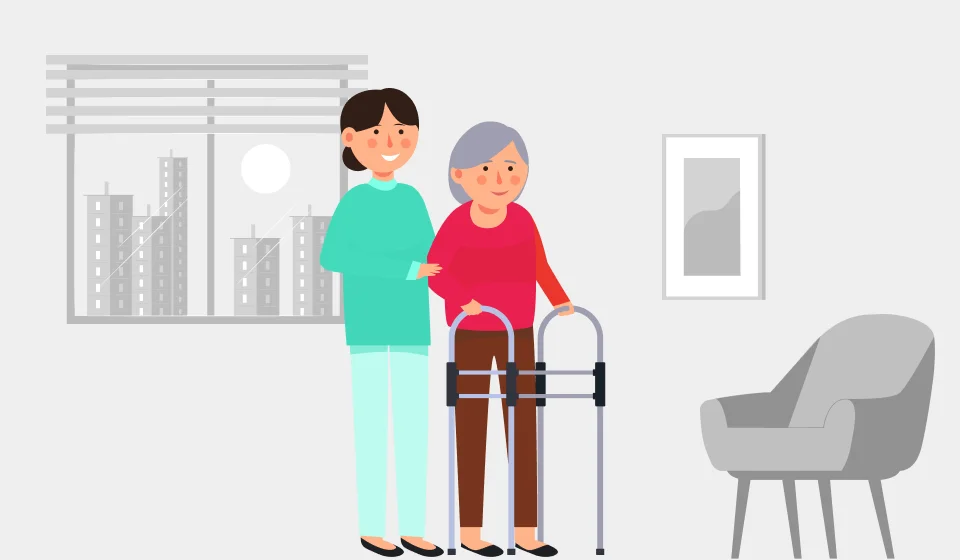
Amelia’s Journey Amelia’s Journey To Stability And Hope The Challenge When we first received the call about Amelia, a 29-year-old woman living in Point Cook, Victoria, the urgency in her NDIS Support Coordinator’s voice told us everything we needed to know. This wasn’t just another routine referral – this was a young woman whose life had been defined by instability, fear, and a revolving door of support providers who simply couldn’t meet her complex needs. Amelia’s story is one that touches the heart of why we do what we do at NurseLink Healthcare. Living with Complex Post-Traumatic Stress Disorder, Borderline Personality Disorder, chronic pain, and requiring a PEG-feeding regimen for her nutritional needs, Amelia faced daily challenges that most of us can barely imagine. But perhaps the most heartbreaking aspect of her situation wasn’t her diagnoses – it was the fact that the very system designed to support her had been failing her repeatedly. In just one year, Amelia had cycled through three different support providers. Each transition brought new faces, new routines, and new anxieties. The constant turnover meant that no one truly understood her triggers, her needs, or the delicate balance required to help her feel safe. Frequent crisis escalations had become her norm, with emergency department visits occurring four to six times every month. Unsafe medication practices had put her health at further risk, and inconsistent staffing meant she never knew who would walk through her door each day. For Amelia and her family, every day felt like walking on eggshells. Her loved ones watched helplessly as she withdrew further from life, unable to engage in activities she once loved, unable to feel safe even in her own home. The toll wasn’t just on Amelia – it was on everyone who cared about her. When her family and Support Coordinator reached out to us, they weren’t just asking for another provider. They were asking for hope. Our Approach At NurseLink Healthcare, we understand that complex needs require more than just competent care – they require compassion, consistency, and a genuine commitment to seeing the whole person, not just a list of diagnoses. From the moment we received Amelia’s referral, our team moved with both urgency and thoughtfulness. Within 24 Hours We didn’t wait. Within a single day, one of our senior Registered Nurses was sitting with Amelia, not as a clinician ticking boxes, but as a human being ready to truly listen. This comprehensive assessment went far beyond medical history. We explored Amelia’s lived experience – what made her feel safe, what triggered her anxiety, what her days looked like when she was struggling, and crucially, what her hopes were for a better future. Our RN identified critical gaps in her previous care: medication administration inconsistencies that posed serious risks, unrecognised triggers that led to preventable crises, and a complete absence of structured daily routines that could provide the stability Amelia desperately needed. But more importantly, we identified her strengths, her resilience, and the tiny sparks of hope that hadn’t been completely extinguished despite everything she’d been through. Building The Right Team We believe that matching the right people to each participant is perhaps the most critical element of successful support. For Amelia, we didn’t just assign available staff – we carefully curated a multidisciplinary team specifically chosen for their experience with complex psychosocial needs and their ability to provide trauma-informed care. Her team included a senior Registered Nurse to oversee care planning and medication management, two experienced mental health support workers who understood the nuances of supporting someone with Complex PTSD and BPD, a Behaviour Practitioner to help identify patterns and develop preventive strategies, and an Occupational Therapist focused on rebuilding functional skills and meaningful daily activities. But qualifications alone weren’t enough. Before anyone worked with Amelia, they underwent thorough briefings about her unique needs. They learned about her specific trauma triggers, understood her sensory processing sensitivities, recognised the early warning signs of emotional dysregulation, and most importantly, learned how to communicate with her in ways that felt safe and respectful. The Transformation Change didn’t happen overnight – and we never promised it would. What we offered instead was consistency, understanding, and a genuine partnership in Amelia’s recovery journey. Creating The Right Structure We introduced gentle, achievable daily routines that gave Amelia’s days predictability without feeling restrictive. Mornings began with support for her PEG-feeding regimen, administered safely and with full attention to proper protocols – something that had been dangerously inconsistent before. We worked on building simple morning habits: opening curtains, having a cup of tea, perhaps listening to music she enjoyed. As trust grew, we gradually expanded activities. Meal preparation became an opportunity to practice skills and build confidence. Personal hygiene routines, which had become overwhelming during her worst periods, were approached with patience and without judgment. The goal wasn’t perfection – it was progress, however small. One of the most meaningful developments was supporting Amelia’s gradual re-engagement with her community. She had once loved art but had withdrawn from all creative pursuits. With gentle encouragement and practical support, she began visiting the local library, and eventually, returned to an art studio. These weren’t just outings – they were reclamations of identity and purpose. Crisis Prevention Perhaps the most critical element of Amelia’s support was our comprehensive Crisis Support Plan. Developed collaboratively with Amelia, her family, and the clinical team, this plan identified her unique early warning signs and provided clear, personalised strategies for intervention. In her second week with our support, this plan was put to the test. Amelia experienced a severe anxiety episode – the kind that had previously resulted in emergency department visits. But this time was different. Her support worker recognised the early signs, implemented the crisis strategies we’d developed together, and provided the calm, consistent presence Amelia needed to work through the episode safely at home. For the first time in 18 months, Amelia got through a major crisis without hospitalization. For her family watching from the sidelines, it
Guide On Eligibility For NDIS

Guide On Eligibility For NDIS Navigating the National Disability Insurance Scheme can feel overwhelming, especially when you’re trying to determine whether you or a loved one might qualify for support. The eligibility criteria involve more than just having a disability—they encompass age requirements, residency status, and the specific nature and impact of your condition. This comprehensive guide breaks down each requirement in straightforward terms, helping you understand what the NDIS looks for when assessing applications. Whether you’re exploring support options for the first time or gathering information to make an informed decision, understanding these fundamentals is your first step toward accessing the person-centred care you deserve. What Is The NDIS? The National Disability Insurance Scheme represents a transformative approach to disability support in Australia, shifting from a welfare model to an investment-based system that recognises the rights and potential of every person living with disability. Understanding what is NDIS is essential for anyone considering applying for support or helping a family member navigate the system. What Does NDIS Stand For? NDIS stands for the National Disability Insurance Scheme—a name that reflects its comprehensive, insurance-based approach to supporting Australians with permanent and significant disability. The Australian Government established the NDIS following extensive consultation, recognising that disability support shouldn’t be a postcode lottery or dependent on charitable funding. The vision centres on empowering people with disability to exercise choice and control over their lives, accessing supports that are reasonable, necessary, and tailored to their individual goals and circumstances. Right To Quality & Safety Your safety and the quality of services you receive are non-negotiable fundamental rights protected by NDIS regulations. You’re entitled to safe, competent support from qualified professionals who meet rigorous NDIS standards and demonstrate ongoing competence in service delivery. Every participant has the absolute right to live free from abuse, violence, neglect, and exploitation in all settings, whether at home, in the community, or within provider facilities. When concerns arise about service quality or safety, you have guaranteed access to effective complaints mechanisms through the NDIS Quality and Safeguards Commission, which investigates issues and holds providers accountable for maintaining the highest standards of care. How Does The NDIS Work? The NDIS operates through an individualised funding model where eligible participants receive a package of reasonable and necessary supports based on their specific needs, goals, and circumstances. Rather than the government deciding what services you receive, the scheme adopts a person-centred approach that puts you in control. This represents a significant departure from the previous disability support system, which was fragmented, inconsistent, and left many without adequate support. The National Disability Insurance Agency (NDIA) administers the scheme, assessing eligibility, developing plans, and managing funding allocations. What Support Does NDIS Provide? The NDIS organises supports into three main categories. Core supports cover everyday activities including personal care, transport, and community participation. Capacity building supports focus on developing independence through therapy services, support coordination, and employment assistance. Capital supports address one-off investments in equipment and modifications like wheelchairs, communication devices, or home accessibility renovations. Understanding what disabilities does NDIS cover and the supports available helps you plan effectively for your application. Who Can Access The NDIS? Understanding who qualifies for NDIS is the first step in determining whether this is the right support pathway. You must be under 65 years old when you first apply, an Australian citizen, permanent visa holder, or hold a Protected Special Category Visa, and have a permanent and significant disability that substantially affects your ability to participate in everyday activities. The definition of disability under the NDIS focuses not simply on having a diagnosed condition but on the functional impact that condition has on your daily life, which is crucial to determining your NDIS funding eligibility. What Is A Disability For NDIS? Understanding how the NDIS defines disability is critical because not every medical condition qualifies for support. Many people assume that having a diagnosis automatically makes them eligible, while others believe they won’t qualify because their condition doesn’t fit a stereotypical view of disability. Both assumptions can lead to confusion during the NDIS application process. Ndis Legal Definition Of Disability According to the NDIS Act 2013, a disability must be attributable to intellectual, cognitive, neurological, sensory, or physical impairments; be permanent (likely to be lifelong); and result in substantially reduced functional capacity for communication, social interaction, learning, mobility, self-care, or self-management. The concept of “permanent and significant” sits at the heart of NDIS eligibility. What Makes A Disability “Permanent” & “Significant”? A permanent disability is likely to be lifelong, though this doesn’t mean it will never improve. The underlying impairment remains throughout your life, distinguishing it from temporary conditions like broken bones or acute illnesses that will resolve with treatment. Examples include cerebral palsy, Down syndrome, autism spectrum disorder, and progressive conditions like multiple sclerosis.Significance relates to substantial impact on your functional capacity. The NDIA evaluates how your disability affects communication, social interaction, learning, mobility, self-care, and self-management. Providing specific examples of functional limitations becomes crucial—describing what tasks you can’t do independently and what supports you currently rely on. Types Of Disabilities Recognised By NDIS The NDIS recognises physical disabilities (cerebral palsy, spinal cord injuries, muscular dystrophy), intellectual disabilities (Down syndrome, fragile X syndrome), cognitive and neurological disabilities (acquired brain injuries, multiple sclerosis, Parkinson’s disease), psychosocial disabilities from permanent mental health conditions (schizophrenia, severe bipolar disorder), sensory disabilities (blindness, deafness), and multiple disabilities. At NurseLink Healthcare, our experienced nurses and allied health professionals understand what evidence the NDIS needs and can provide comprehensive reports that accurately reflect your support requirements. Who Is Eligible For The NDIS? Creating an NDIS eligibility checklist helps you systematically work through each requirement. As of 2024, over 610,000 Australians participate in the scheme. The NDIS has four main requirements: age (under 65 when first applying), residency (Australian citizen, permanent visa holder, or Protected Special Category Visa), disability (permanent and significant), and early intervention (alternative pathway where early support could reduce future needs). Age Requirements Explained Understanding does NDIS have an age limit
Know Your Rights As An NDIS Participant

Know Your Rights As An NDIS Participant Navigating the National Disability Insurance Scheme (NDIS) can feel overwhelming, especially when you’re unsure about what you’re entitled to receive and what’s expected of you. As an NDIS participant, understanding your fundamental rights and responsibilities isn’t just helpful—it’s essential for accessing quality support and achieving your goals. Your rights form the protective framework that ensures safe, dignified, and personalised care, while your responsibilities help maintain the integrity of the scheme and foster positive relationships with providers. At NurseLink Healthcare, we believe that empowered participants who understand their entitlements can advocate effectively, make informed decisions, and build meaningful partnerships with their support teams. This comprehensive guide demystifies your rights and responsibilities, providing practical insights and real-world examples that help you navigate your NDIS journey with confidence. Whether you’re new to the NDIS or looking to strengthen your understanding, this resource equips you with the knowledge needed to receive the exceptional support you deserve. The Foundation Of Quality Disability Support Services Quality disability support begins with understanding your rights and responsibilities as an NDIS participant. This knowledge directly impacts your safety, wellbeing, and service outcomes. When participants know their entitlements, they can advocate effectively and hold providers accountable. Conversely, lacking this awareness leaves you vulnerable to substandard care or exploitation. The balance between empowerment and accountability creates a partnership where both participants and providers contribute to successful support arrangements. Understanding your rights isn’t just beneficial—it’s essential for receiving the dignified, safe, and effective support you deserve under the NDIS framework. Ndis Participants’ Key Rights As an NDIS participant, you possess fundamental freedoms that place you at the center of your support journey: Freedom to choose providers: You have complete autonomy to select which providers deliver your supports and services, without pressure or limitation. Compare options, interview providers, and choose based on your preferences, comfort level, and specific needs. Control over support decisions: Every decision about your care belongs to you, including who supports you, when services are provided, and how they’re delivered. Your plan should reflect your goals and lifestyle, not provider convenience. Self-management options: Take direct control of your funding by managing your own budget, hiring support workers independently, and arranging services that truly align with your vision for independence and quality of life. Right To Quality & Safety Your safety and the quality of services you receive are non-negotiable fundamental rights protected by NDIS regulations. You’re entitled to safe, competent support from qualified professionals who meet rigorous NDIS standards and demonstrate ongoing competence in service delivery. Every participant has the absolute right to live free from abuse, violence, neglect, and exploitation in all settings, whether at home, in the community, or within provider facilities. When concerns arise about service quality or safety, you have guaranteed access to effective complaints mechanisms through the NDIS Quality and Safeguards Commission, which investigates issues and holds providers accountable for maintaining the highest standards of care. Right To Privacy & Dignity Your personal information must remain confidential and be handled according to strict privacy laws and NDIS requirements, with clear protocols governing who can access your data and how it’s shared. You deserve respectful treatment that acknowledges your inherent dignity as a person, regardless of disability type, support complexity, or communication needs. Providers must recognise and genuinely accommodate your cultural background, spiritual beliefs, language preferences, and individual values in all interactions and service planning. Dignity means being treated as a whole person with unique interests, strengths, and aspirations—not being defined solely by your disability or reduced to a list of support requirements that need managing. Right To Information & Communication You’re entitled to receive clear, accessible information about all services, including detailed breakdowns of costs, service agreement terms, provider qualifications, and what you can expect from your support arrangements. Meaningful participation in decision-making requires providers to communicate in ways you genuinely understand, whether through plain language explanations, professional interpreters, visual aids, assistive technology, or other communication supports tailored to your needs. Language and communication support must be provided at no additional cost to you, ensuring you fully comprehend your options, can express your preferences effectively, and participate equally in all discussions about your care and support planning throughout your NDIS journey. Right To Fair Treatment The NDIS framework explicitly prohibits discrimination and guarantees equitable access for all participants: Non-discrimination: Providers cannot discriminate based on disability type, age, gender, culture, religion, sexuality, or any other protected characteristic. Your access to services must be based solely on your needs and NDIS eligibility, not prejudice or provider preference. Equality of access: You have equal opportunities to access supports, services, and community participation regardless of your background, location, or circumstances. Geographic or cultural barriers shouldn’t prevent you from receiving appropriate care. Appeals and review processes: When decisions don’t go your way, robust internal and external review mechanisms allow you to challenge outcomes, request reconsideration, and seek independent assessment of funding decisions or service disputes. NDIS Participants’ Responsibilities While you have extensive rights, participants also carry important responsibilities that enable effective service delivery and maintain the scheme’s integrity. Treating providers and support workers with respect creates positive working relationships essential for quality care and mutual trust. You must provide accurate, complete information about your needs, circumstances, health conditions, and any changes that might affect your support requirements or safety. Funded supports should be used appropriately for their intended purpose as outlined in your NDIS plan, maintaining system sustainability for all participants. Clear, honest communication with providers prevents misunderstandings and ensures services align with your expectations and goals. Putting Rights & Responsibilities Into Practice Translating rights and responsibilities from abstract concepts into daily reality requires practical strategies and real-world application skills. Understanding principles is valuable, but knowing how to actually use them when challenges arise makes the critical difference between theory and lived experience. Whether you’re facing service quality concerns, selecting new providers, or navigating communication difficulties, having actionable approaches empowers you to protect your interests effectively. Combining knowledge with practical tools, resources, and support networks transforms
A Beginner’s Guide To Navigating The NDIS
A Beginner’s Guide to Navigating the NDIS The National Disability Insurance Scheme represents one of the most significant social reforms in Australian history, yet many people find themselves overwhelmed when first encountering the system. If you’re reading this, chances are you or someone you care about is considering NDIS support, and you’re looking for clear, straightforward guidance to help you navigate this complex landscape. At NurseLink Healthcare, we’ve helped countless individuals across Melbourne and surrounding areas successfully access and maximise their NDIS plans, and we’re here to demystify the process for you.This comprehensive guide breaks down everything you need to know about the NDIS, from understanding what it is and who qualifies, to applying, managing your funds, and getting the most out of your plan. Whether you’re a participant, family member, or carer, this resource will empower you with the knowledge and confidence to take control of your NDIS journey and access the support you need to live independently and achieve your goals. Understanding What the NDIS Is All About The National Disability Insurance Scheme (NDIS) is Australia’s way of providing support to people with permanent and significant disability, giving them choice and control over how they receive care and assistance. The NDIS stands for National Disability Insurance Scheme, a government-funded program that provides individualised support to eligible Australians with disability, helping them achieve greater independence and participate fully in their communities. The scheme’s purpose is fundamentally about choice and control, moving away from the old system where disability services were limited and often decided by others, to one where participants direct their own care. Unlike previous disability support services, the NDIS provides lifetime support with flexible funding that follows the person, not the service provider, ensuring support adapts as your needs change. The National Disability Insurance Agency (NDIA) administers the NDIS, managing applications, developing plans, and overseeing the scheme’s operation whilst ensuring participants receive appropriate funding for reasonable and necessary supports. Common misconceptions include thinking the NDIS covers everything disability-related or that it replaces Medicare and other mainstream services—in reality, the NDIS complements existing systems and focuses on disability-specific supports that aren’t provided elsewhere. Who Is Eligible for the NDIS? Understanding NDIS eligibility is the crucial first step in accessing support. The scheme has specific criteria designed to identify those who will benefit most from individualised, lifetime disability support. To qualify for the NDIS, you must be under 65 years of age when you apply, be an Australian citizen, permanent resident, or hold a Protected Special Category Visa, and have a permanent and significant disability that substantially reduces your ability to participate in everyday activities without support. The disability must be likely to be permanent, meaning it’s likely to be lifelong, though it doesn’t necessarily mean your condition can’t improve. For young children, early intervention requirements differ slightly, recognising that early support can significantly improve developmental outcomes. If your child has a developmental delay or disability, they may qualify for early intervention supports even if the condition isn’t yet permanent. Examples of eligible conditions include cerebral palsy, autism spectrum disorder, intellectual disability, acquired brain injury, vision or hearing impairment, psychosocial disability from mental health conditions, and physical disabilities requiring substantial ongoing support. If you don’t meet the eligibility criteria, don’t despair—there are alternative support options including state-based disability services, aged care packages if you’re over 65, Medicare-funded supports, and community health programs that can still provide valuable assistance. How to Apply for the NDIS The NDIS application process, whilst thorough, is straightforward when you know what to expect and come prepared with the right documentation and evidence. Begin by gathering comprehensive medical evidence including reports from specialists, therapists, and treating doctors that clearly describe your disability, how it impacts your daily functioning, and why you require support—this documentation forms the foundation of your Access Request. Complete the NDIS Access Request Form available online through the NDIS website or by contacting the NDIA directly, ensuring you provide detailed information about how your disability affects your ability to participate in everyday activities, work, and social situations. Submit your application with all supporting documents, including recent medical reports (ideally within the last 12 months), functional assessments, evidence of diagnosis, and information about current supports you receive—incomplete applications cause delays. After submission, the NDIA typically takes 21 days to make an access decision, though this can vary depending on the complexity of your situation and whether additional information is required, with the agency contacting you if they need further evidence or clarification. Understanding Your NDIS Plan Your NDIS plan is a personalised document outlining your goals, the supports you’ll receive, and your funding over a specified period, typically 12 months, though this can vary based on individual circumstances. Understanding your plan’s structure empowers you to make informed decisions about your care and support. The NDIS divides funding into three main budget categories. Core Supports cover everyday activities including assistance with daily living, consumables, transport, and assistance with social and community participation—this is your most flexible category with funds that can often be moved between subcategories. Capacity Building focuses on investments that help you build skills and independence, covering areas like support coordination, improved living arrangements, increased social and community participation, finding and keeping a job, improved relationships, improved health and wellbeing, improved learning, and choice and control. Capital Supports fund higher-cost items like assistive technology, equipment, home modifications, and vehicle modifications that help you pursue your goals. The concept of “reasonable and necessary” underpins all NDIS funding decisions, meaning supports must be related to your disability, represent value for money, help you pursue your goals, be effective and beneficial, and take into account supports available through other systems. Your plan goals drive everything—they’re developed collaboratively during your planning meeting, reflecting what you want to achieve in areas like independence, community participation, employment, education, health, and relationships. Reading your plan document carefully helps you understand what’s funded, how much you have in each category, and how long your plan lasts, whilst flexibility within categories allows you
How To Navigate Your NDIS Plan & Services

How To Navigate Your NDIS Plan & Services Starting your journey with the National Disability Insurance Scheme can feel overwhelming, but with the right guidance it becomes a clear, empowering process. If you are wondering what is plan managed NDIS, this article explains every key step – from understanding the NDIS and building a personalised plan, to selecting the best provider to support your goals. What Is The NDIS ? The National Disability Insurance Scheme (NDIS) was established to provide consistent, long-term funding for Australians living with a significant and permanent disability. Launched in 2013, it is funded by the federal and state governments and designed to promote independence, social inclusion, and community participation. The scheme benefits children and adults alike, while government updates continually strengthen its long-term vision of an inclusive, supportive Australia. Who Is Eligible For The NDIS ? To access the NDIS, you must be under 65 when you first apply, be an Australian citizen, permanent resident, or Special Category visa holder, and have a permanent and significant disability—physical, intellectual, sensory, or related to mental health. Components Of Your NDIS Support Plan Your NDIS management plan sets out your funding and the supports you can access. It reflects your goals, the type of assistance you need, and how your budget is overseen. Personal Objectives & Aspirations A strong plan starts with clear goals. Use a goal setting framework that distinguishes short-term and long-term objectives across life domains such as daily living, education, employment, and social participation. Apply the SMART model—Specific, Measurable, Achievable, Relevant and Time-bound—to create actionable outcomes. Goals evolve, so regular reviews ensure they stay relevant as your needs and ambitions grow. Types Of Support Available Support is grouped into three key areas. Core Support Categories: help with daily activities, transport, and essential consumables. Capacity Building: services that build skills and independence, such as therapy, training, and employment support.Capital Purchases: funding for equipment, home modifications, and vehicle adaptations. These supports can be delivered in-centre, in the community, or directly in your home to suit your lifestyle. Understanding the NDIS and its support categories helps you decide whether self managed NDIS, NDIA-managed, or services fit your situation. Financial Planning & Oversight Your plan management determines how your funding is distributed and tracked. Budget allocations cover different categories and can be managed in three ways: self-managed, plan-managed, or NDIA-managed. With a self managed NDIS approach, you control invoices and providers. If you are asking “what is plan management NDIS?” it is where a registered plan manager handles the finances while you choose providers. Spending flexibility allows some category transfers, but all spending must follow NDIS plan management guidelines. Accurate financial reporting ensures compliance and makes reviews easier. Exploring NDIS Support Categories & Funding Your national disability insurance scheme plans will typically contain multiple funding streams. These provide targeted supports designed to increase independence and quality of life. Essential Daily Living Supports This category covers personal care such as assistance with hygiene, dressing, and mobility. It also includes help with household tasks like cleaning, cooking, and shopping, transport for appointments or community activities, and consumables like continence aids or low-cost assistive technology. Costs can vary, with typical hourly rates depending on the type of service. Skill Development & Independence Supports Therapeutic supports such as physiotherapy, occupational therapy, and speech pathology build long-term independence. Life skills training, job coaching, workplace modifications, and educational programs are all designed to increase capacity. Community participation activities encourage social and recreational involvement. Equipment & Infrastructure Supports Funding is available for assistive technology including communication devices and mobility aids. Home modifications might involve ramps, bathroom adjustments, or other accessibility improvements. Vehicle modifications, such as wheelchair access or driving aids, are also included. Higher-value items may require quotes and assessments to meet funding thresholds. Funding Approval Standards & Guidelines The NDIA applies the “reasonable and necessary” test, ensuring supports are directly related to your disability, provide value for money, and complement informal supports. Evidence requirements include medical reports and therapy assessments. Understanding these NDIS plan management guidelines helps you prepare strong documentation and navigate approval timeframes confidently. How To Access The NDIS: Step-by-step Accessing the NDIS involves clear stages from confirming eligibility to activating your plan. Phase 1: Confirm Your Qualification Status Check that you meet age, residency, and disability criteria. For children under seven, an early intervention pathway may apply. Collect supporting evidence such as medical reports and functional assessments. The NDIS website offers online tools to guide your eligibility check. Phase 2: Submit Your Application You can apply through the online portal, over the phone, or in person. Provide personal details, evidence of disability, and support needs. Include medical and therapy reports or school assessments. The NDIA will advise expected processing times. Phase 3: Submit Supporting Documentation Ensure your application includes strong evidence. This can be GP and specialist reports, diagnostic assessments, carer statements, and therapy notes. High-quality documentation clearly demonstrates your daily living challenges. Choosing The Right NDIS Provider The right provider ensures your plan delivers real results. Consider these factors: Provider Types: Understand the difference between registered and unregistered providers and whether you need specialist or generalist services. Quality Indicators: Look for accreditation, experience, and strong participant feedback. Service Comparison: Review pricing, availability, and areas of expertise. Geographic Considerations: Local providers reduce travel requirements and can respond faster. Compatibility Factors: Cultural fit, communication style, and shared values matter for long-term relationships. Questions to Ask: Ask about staff qualifications, service delivery methods, and emergency support processes. Red Flags: Beware of poor communication, unclear contracts, or frequent staff turnover. Provider Changes: If necessary, follow the correct process for switching providers while maintaining continuous support. How Nurselink Can Help With Your NDIS Journey NurseLink Healthcare brings clinical expertise and compassionate care to every stage of your NDIS plan. With extensive experience in NDIS plan management guidelines and understanding the NDIS from an analytical perspective, NurseLink is uniquely positioned to guide participants through what is plan managed NDIS and self managed NDIS options. Our team of qualified registered nurses and support workers delivers 24/7 assistance