Roles & Responsibilities Of Hospital Staff

Roles & Responsibilities Of Hospital Staff Hospitals today face mounting pressure from rising patient demand, workforce shortages and increasingly complex care requirements. When roles and responsibilities become unclear or staff numbers fall short, the impact ripples across entire facilities – leading to delayed treatments, miscommunication, compromised patient safety and exhausted teams. This lack of clarity is no longer an isolated issue but a systemic challenge affecting hospitals throughout Australia. Structured staffing frameworks and well-defined hospital staff types are fundamental to maintaining high standards of care, especially during peak demand periods or unexpected crises. Healthcare staffing agencies like NurseLink Healthcare have emerged as vital partners in addressing these gaps, providing hospitals with immediate access to qualified professionals who can step into critical roles without compromising care quality or compliance standards. Why Understanding Hospital Staff Roles Matters Role clarity sits at the heart of effective healthcare delivery. When every team member understands their scope of practice, accountability boundaries and collaborative touchpoints, hospitals operate with precision and purpose. Well-defined roles of hospital staff directly influence patient outcomes by reducing treatment delays, preventing errors and ensuring continuity across shifts and departments. Research consistently shows that hospitals with clear staffing structures experience better patient satisfaction scores, lower complication rates and improved recovery times. Conversely, ambiguity in responsibilities creates dangerous vulnerabilities. Tasks get duplicated while others fall through gaps entirely. Clinical handovers become inconsistent, decisions stall as team members hesitate over who should act, and operational inefficiencies increase the risk of adverse events. Common mistakes include failing to distinguish between overlapping roles, neglecting to update position descriptions as care models evolve, and underestimating the administrative load on clinical staff. Balanced staffing levels play a protective role against burnout and turnover. When hospitals maintain appropriate staff-to-patient ratios and distribute workload fairly across teams, employees report higher job satisfaction, better mental health and stronger commitment to their roles. Adequate staffing isn’t simply about numbers — it’s about ensuring the right mix of skills, experience and support are present at all times. Key Hospital Staff Groups & Their Responsibilities Hospital workforce planning requires understanding how different staff categories contribute to the broader care ecosystem. The hospital staff structure typically comprises four main groups, each essential to seamless operations. Clinical staff form the frontline of patient care, encompassing registered nurses, enrolled nurses, medical officers, specialists, midwives and allied health professionals such as physiotherapists, occupational therapists and speech pathologists. These professionals provide direct treatment, conduct assessments, administer medications, monitor patient progress and make critical clinical decisions that shape care pathways. Ancillary staff deliver essential diagnostic and technical support that underpins clinical decision-making. Radiographers, pathology technicians, laboratory scientists, medical imaging specialists and biomedical engineers ensure doctors receive accurate test results, imaging studies and equipment functionality. Without reliable ancillary services, diagnosis becomes guesswork and treatment plans lose precision. Hospitality and support staff maintain the environment in which healing occurs. Hospital cleaning teams prevent infection transmission through rigorous hygiene protocols. Food services staff ensure patients receive nutritionally appropriate meals that support recovery. Patient transport workers move individuals safely between departments, reducing delays and improving flow. These roles directly impact patient comfort, dignity and clinical outcomes. Management and administration teams coordinate the logistical, financial and regulatory frameworks that allow clinical care to happen. Admissions coordinators, medical records officers, finance staff, human resources professionals and executive leadership ensure hospitals meet compliance standards, operate within budgets and maintain accreditation. Staffing gaps typically emerge in high-pressure clinical areas — emergency departments, intensive care units, operating theatres and maternity wards — but shortages in any category compromise the entire system. Healthcare staffing agencies can fill roles across multiple departments, providing flexible workforce solutions that maintain service continuity. Skill Requirements & Competency Expectations Every hospital role demands a combination of technical proficiency and interpersonal capability. Clinical positions require current medical knowledge, evidence-based practice skills, medication management competence and adherence to patient safety protocols. Staff must demonstrate critical thinking, clinical reasoning and the ability to respond appropriately during medical emergencies. Equally important are the soft skills that define quality healthcare delivery. Communication sits at the core — the ability to explain complex information clearly, listen actively to patients and families, and collaborate effectively within multidisciplinary teams. Empathy enables staff to recognise distress, provide emotional support and maintain patient dignity during vulnerable moments. Cultural sensitivity allows staff to provide respectful, individualised care across diverse patient populations. The code of conduct for hospital staff establishes professional and ethical standards that govern behaviour, confidentiality, boundaries and integrity. Staff must maintain registration with relevant authorities such as the Australian Health Practitioner Regulation Agency (AHPRA), complete mandatory training in areas like infection control and workplace safety, and participate in ongoing professional development to stay current with best practices. Healthcare staffing agencies add value by conducting rigorous pre-placement verification. NurseLink Healthcare screens every candidate’s qualifications, validates certifications, confirms AHPRA registration status, checks immunisation records and reviews professional references before recommending placement. This comprehensive approach reduces risk for hospitals while ensuring they receive competent, compliant professionals ready to contribute immediately. How Nursing & Healthcare Staffing Agencies Support Hospitals Healthcare staffing agencies function as strategic workforce partners rather than transactional suppliers. The process begins with understanding a hospital’s specific needs — whether filling sudden gaps, supporting seasonal demand surges or providing specialised skills unavailable internally. Staffing solutions vary significantly based on hospital circumstances. Short-term or temporary placements address immediate coverage needs when permanent staff are on leave or sick. Permanent placements help hospitals recruit hard-to-fill positions without managing lengthy recruitment campaigns internally. Seasonal and surge support responds to predictable demand increases during flu season or emergency situations. After-hours and emergency staffing ensures critical services maintain coverage outside standard business hours. Agencies relieve substantial recruitment and onboarding pressure from hospital HR teams. They handle advertising, initial candidate screening, credential verification, reference checking and preliminary interviews. This streamlined approach dramatically reduces time-to-hire while freeing internal resources to focus on strategic workforce planning. Compliance and credential verification represent significant agency value propositions. Agencies maintain current knowledge of regulatory requirements, conduct background
Nurse Unit Manager – Salary & Responsibilities
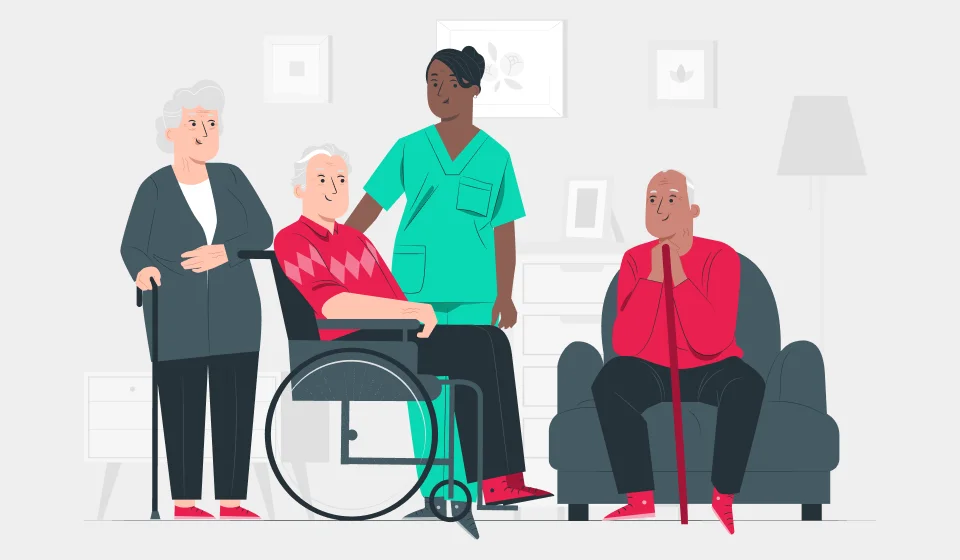
Nurse Unit Manager – Salary & Responsibilities Nursing leadership is the backbone of safe, efficient and compassionate healthcare delivery. Whether in hospitals, aged-care facilities or community settings, strong leadership ensures that patients receive the right care at the right time, and that nursing teams feel supported in their work. Within this ecosystem, the Nurse Unit Manager (NUM) stands out as one of the most influential and respected positions. Moving into this role is a significant milestone for many nurses who want to take on greater responsibility, increase earning potential and drive meaningful change in clinical practice. Understanding the expectations, salary opportunities and long-term career outlook can assist nurses and aspiring healthcare professionals in evaluating whether this leadership pathway is the right next move. What Is A Nurse Unit Manager? A Nurse Unit Manager is a senior nurse who leads and oversees all clinical and operational aspects of a healthcare unit. Whether managing a ward in a public hospital, an aged-care unit or a specialty department such as mental health, rehabilitation or community care, the NUM ensures that patient care runs safely, smoothly and in line with best-practice standards. The role requires a balance of clinical expertise, strategic oversight and strong interpersonal skills to guide nurses and support staff within the unit. Within the nursing hierarchy, the NUM position sits between frontline nursing and organisational leadership. In many facilities, the career progression follows the path of Registered Nurse (RN) → Clinical Nurse → Nurse Unit Manager → Senior Nurse Unit Manager → Director of Nursing (DON) or Facility Manager. This position is one of the most impactful points in the structure because the NUM works closely with both executive stakeholders and frontline clinicians. While the DON and executive management focus on organisation-wide strategy, the NUM applies leadership on the ground — translating policy into practice and ensuring day-to-day continuity of care. Core Responsibilities Of A Nurse Unit Manager The nurse unit manager roles and responsibilities are broad and diverse. At their foundation, NUMs are responsible for managing their nursing teams and coordinating rosters to ensure there are always enough skilled staff available to support patient needs. This involves carefully balancing shift availability, budgets, acuity levels and staff wellbeing. A well-planned roster not only protects patient safety but also promotes a positive work environment. NUMs play a crucial role in maintaining patient care quality and safety standards. They routinely assess workflows, audit clinical documentation, review incident data and implement improvement strategies where required. When patients present with complex care needs, NUMs offer clinical guidance to support nurses in decision-making and problem-solving. Another major part of the nurse unit manager duties is the supervision of admission and discharge processes. Ensuring smooth transitions supports better patient outcomes and reduces pressure on frontline staff. To do this effectively, NUMs collaborate extensively with doctors, allied health teams, social workers, management and sometimes external support services. The role also requires maintaining regulatory compliance. Healthcare facilities are bound by strict guidelines, and NUMs need to stay up to date with accreditation requirements, infection control standards, workplace health and safety policies, and medication guidelines. Effective tracking and documentation protect both patients and healthcare practitioners while ensuring the organisation meets its legal obligations. What Does A Nurse Unit Manager Do? Although the higher-level responsibilities are clear, many nurses want to know what the day-to-day experience of being a NUM looks like. While no two days are ever the same in healthcare, some patterns define the rhythm of the role. A typical morning may involve reviewing shift handovers, checking staffing levels, reading clinical reports and identifying any immediate priorities. Scheduling is a daily responsibility rather than a one-off task because needs change frequently — from sudden sick leave to shifts in patient acuity. Administrative work forms a large part of the role, including report writing, performance management documentation and departmental planning. NUMs attend management meetings and provide updates on unit performance, resource needs and patient outcomes. Many NUMs also organise training sessions and in-service learning to support continuous development within their teams. But even with these administrative expectations, the role is not removed from clinical practice. NUMs remain accessible to staff, providing advice during complex patient situations, assisting during emergencies and supporting family discussions during difficult circumstances. Complaints, escalations and unexpected clinical challenges are part of the role, and handling them with professionalism and compassion is essential. The most successful NUMs are those who balance documentation and leadership duties with a visible, approachable presence on the floor. Skills & Qualifications Required To step into this role confidently, nurses must have the right mix of education, professional experience and leadership ability. AHPRA registration as a Registered Nurse (RN) is mandatory. Most facilities expect several years of clinical experience and often prior exposure to leadership responsibilities, such as acting in a team-leader role or mentoring junior staff. Soft skills are equally important. Strong communication enables NUMs to collaborate with diverse professionals and foster trust among their teams. Conflict management skills help address interpersonal issues constructively, while high-level organisational ability is crucial for handling competing demands. Emotional resilience, critical thinking and confidence in decision-making are also key traits for success. Many aspiring NUMs benefit from additional training such as postgraduate studies in nursing leadership, health administration, business management or aged-care management. These qualifications strengthen leadership capability and improve employability, particularly in competitive healthcare environments. What To Expect For Salary? The nurse unit manager salary reflects the level of responsibility and clinical expertise required. Although figures vary across Australia, salary ranges typically depend on factors such as state and territory employment frameworks, years of experience, the type of facility and whether the employer is in the public or private sector. NUMs working in larger tertiary hospitals or specialised facilities may earn more than those in smaller regional settings. Beyond base salary, additional allowances significantly increase total income. Overtime, penalties, on-call pay and shift loadings for weekend or public holiday work add to overall pay. Some NUMs also receive professional development support or additional financial
Nursing Agency Staffing Solution (Aged Care Facility)

BlueHaven’s Journey It was 9:15 on a Tuesday evening when the call came through to NurseLink Healthcare. On the other end of the line was a senior manager from BlueHaven Aged Care, a respected facility in Melbourne’s western suburbs, and the urgency in her voice was unmistakable. What she was facing wasn’t just a staffing challenge – it was a full-blown crisis that affected the safety and wellbeing of every resident in her care. A rapid-onset flu outbreak had swept through the facility with devastating efficiency. Within just 48 hours, twenty-seven staff members – nurses, enrolled nurses, and personal care attendants – were not available. The timing couldn’t have been worse. Night shifts were approaching with dangerously inadequate coverage. Medication rounds needed qualified registered nurses. Residents requiring complex care couldn’t be left without proper support. Infection control protocols needed immediate implementation to prevent further spread. For the management team at BlueHaven, the situation was nothing short of terrifying. They were staring down the barrel of potentially unsafe staffing ratios, possible regulatory breaches, and most critically, the very real risk of harm to vulnerable residents who depended on them for every aspect of their care. The weight of responsibility was crushing, and the clock was ticking. In aged care, staffing shortages aren’t just operational inconveniences – they’re potentially life-threatening situations. Medications must be administered on time. Falls prevention requires adequate supervision. Continence care can’t wait. Meals need to be served. And through it all, infection control measures must be maintained to protect residents whose immune systems are already compromised. The manager at BlueHaven had already made several calls to other agencies that evening. Some didn’t answer. Others said they’d “see what they could do” and get back to her in the morning. One agency promised two carers but couldn’t guarantee registered nurses – leaving the critical medication and clinical care gaps unfilled. With each failed call, the panic grew. What would happen during the night shift? Who would administer medications? How could they possibly provide safe care with less than half their usual staff? When she dialed NurseLink Healthcare, it was more than a business call – it was a plea for help. What happened next would change not just that crisis night, but BlueHaven’s entire approach to workforce management. Our Response At NurseLink Healthcare, we understand that in aged care, emergencies don’t wait for business hours. Our commitment to our partner facilities means being ready to respond with speed, professionalism, and clinical excellence – no matter when the call comes. What Made The Difference From the moment that call came through at 9:15pm, our rostering team moved into action with precision and purpose. This wasn’t about scrambling to find any available bodies to fill shifts – it was about mobilising the right qualified professionals who could step into a crisis situation and provide safe, competent care immediately. Within twenty minutes six shift confirmations were sent to BlueHaven’s operations manager. Six qualified healthcare professionals who were ready, willing, and able to be there when the facility needed them most. For a manager who had spent hours making frantic calls with little success, those confirmations landing in her inbox felt like a lifeline being thrown to a drowning person. But we didn’t stop there. Twenty minutes gave BlueHaven immediate relief and hope, but we knew they needed comprehensive coverage, not just a band-aid solution. The Progress Throughout that night, while residents slept and the skeleton staff at BlueHaven worked double-time to provide care, our team continued coordinating. We were making calls, confirming availability, matching skills to needs, and ensuring that by morning, BlueHaven would have the workforce they needed to provide safe, quality care. By 7:00am the next morning – less than fourteen hours after that initial desperate call – BlueHaven had complete coverage: three Registered Nurses, including one specifically trained in infection control (critical for managing the outbreak), two Enrolled Nurses ready to support clinical care across the facility, and five Personal Care Attendants to ensure residents’ daily living needs were met with dignity and attention. This wasn’t just adequate staffing – this was the right mix of skills and experience to not only maintain care standards but to actively address the outbreak that had caused the crisis in the first place. Actions Beyond Staffing What set Nurselink’s response apart wasn’t just the speed or the numbers – it was the quality and initiative of the professionals we provided. Infection Control Excellence The infection control-trained RN we deployed immediately took a leadership role that went far beyond typical agency nursing. Upon arrival, she conducted a rapid assessment of the facility’s current infection control measures and implemented enhanced protocols that would contain the outbreak and protect both residents and remaining staff. She established clear isolation zones to separate affected residents and prevent cross-contamination, set up properly stocked PPE stations at strategic locations throughout the facility, conducted hand-hygiene audits and provided real-time education to staff on proper technique, and developed outbreak management protocols tailored to BlueHaven’s specific layout and resident needs. This wasn’t in her job description. She wasn’t asked to do this. But at Nurselink Healthcare, we hire and deploy professionals who see needs and take initiative – people who understand that in aged care, going above and beyond isn’t optional, it’s essential. Comprehensive Clinical Support Throughout the outbreak period, our team of nurses and care staff provided seamless integration with BlueHaven’s existing operations. They weren’t “just agency staff” – they became part of the team, committed to the residents’ wellbeing and the facility’s success. Our RNs conducted thorough medication rounds with meticulous attention to resident-specific needs and preferences, reviewed and treated wounds according to care plans, monitored residents with behavioral challenges and adjusted approaches as needed, coordinated COVID and flu swabbing to identify cases quickly and implement appropriate isolation, and completed comprehensive documentation that maintained continuity of care. Our ENs and PCAs provided personal care with dignity and respect, supported meal times ensuring adequate nutrition and hydration, maintained residents’ comfort
Why Does Working With The Best Nurse Staffing Agencies Matter?

Why Does Working With The Best Nurse Staffing Agencies Matter? Healthcare delivery in Australia faces mounting pressures—growing patient numbers, increasing complexity of care needs, and persistent workforce shortages. In this challenging landscape, healthcare providers are searching for sustainable solutions that don’t compromise on quality or safety. Partnering with a reputable nurse staffing agency has emerged as a strategic imperative rather than a temporary fix. Understanding how these partnerships function and the tangible benefits they deliver can transform how facilities manage their workforce, maintain standards, and ultimately serve their communities. Immediate Availability & Flexibility When a nurse calls in sick at 6 a.m. or patient admissions spike unexpectedly, facilities need solutions measured in hours, not weeks. The best nurse staffing agencies maintain extensive databases of qualified, credentialed nurses who are ready to step into shifts with minimal notice. This immediate availability isn’t just convenient—it’s essential for maintaining safe staffing ratios and preventing care gaps that could compromise patient safety. Leading agencies offer remarkable flexibility in engagement models. Whether a facility needs per-diem coverage for a single shift, part-time support during transitions, short-term contracts to cover parental leave, temporary placements during facility renovations, or travel nurses for extended assignments, top nursing agencies can accommodate these varied requirements. This flexibility allows healthcare managers to match staffing solutions precisely to their operational needs rather than forcing uncomfortable compromises. Speed matters enormously in healthcare environments where every unfilled shift creates ripple effects. Emergency departments can’t function safely understaffed. Surgical theatres must maintain minimum team requirements. Aged care facilities face serious compliance issues when ratios fall below mandated levels. By providing rapid placements, agencies prevent these critical situations from escalating, ensuring improved continuity of care and operational stability. Support During Peak Periods Healthcare demand fluctuates with seasonal patterns, community health events, and demographic shifts. Winter brings flu outbreaks that fill emergency departments and medical wards. Holiday periods see reduced permanent staff availability precisely when family gatherings spread respiratory illnesses. COVID-19 demonstrated how quickly infectious disease outbreaks can overwhelm unprepared facilities. When patient census increases beyond normal capacity, maintaining safe nurse-to-patient ratios becomes challenging without external support. The benefits of agency nursing become particularly evident during these surges. Agencies can quickly scale up staffing levels, sometimes adding multiple nurses within days rather than the months traditional recruitment requires. This rapid scalability prevents dangerous situations where existing staff are stretched dangerously thin. Perhaps most importantly, agency support during peak periods prevents the overwork of in-house teams. When permanent nurses consistently work overtime to cover gaps, quality suffers, mistakes increase, and burnout accelerates. By absorbing peak demand through temporary placements, agencies protect the long-term sustainability of the core workforce. Access To Unique Skills Modern healthcare requires increasingly specialised knowledge. Not every facility can justify employing full-time specialists in every discipline, yet patient needs don’t always align with available expertise. This is where top paying nursing agencies add tremendous value by maintaining pools of specialists across diverse fields—intensive care, emergency medicine, operating theatres, aged care, mental health, paediatrics, community nursing, and numerous subspecialties. Specialised roles are notoriously difficult to fill, particularly in remote locations or high-demand areas where competition for qualified professionals is intense. Agencies invest heavily in recruiting these hard-to-find specialists and can deploy them where needed most. A regional hospital requiring a theatre nurse for a visiting surgeon’s specialty clinic, or an aged care facility needing palliative care expertise for a resident with complex needs, can access these skills without lengthy recruitment processes. Credentialing processes at reputable agencies are rigorous, ensuring that specialists genuinely possess claimed competencies. For facilities, this means confidence that the specialist arriving for a shift actually has the required knowledge and capabilities. This strategic advantage—on-demand access to verified specialists—enables hospitals and aged care facilities to expand their service offerings and accept more complex cases than their permanent staffing alone might support. Enhances Patient Care & Safety Staffing quality directly influences patient outcomes. Research consistently demonstrates that adequate nurse staffing correlates with lower mortality rates, fewer complications, reduced hospital-acquired infections, and shorter lengths of stay. When facilities partner with most popular nursing agencies, they’re not simply filling roster gaps—they’re investing in patient safety and care quality. Experienced, qualified nurses reduce the risk of medication errors, missed early warning signs, and procedural mistakes. Agency nurses from reputable firms bring proven competence and often extensive experience across multiple facilities, providing valuable perspectives and best practices. This expertise translates directly into safer, more effective care delivery. Patient satisfaction scores improve when staffing levels are adequate. Patients notice when nurses are rushed, unavailable, or clearly overwhelmed. Conversely, when nurse-to-patient ratios are appropriate, patients receive timely responses, thorough explanations, and attentive monitoring. Maintaining appropriate staffing ratios isn’t just about quality—it’s about compliance. Australian healthcare regulations specify minimum ratios in many settings, and falling below these standards creates serious legal and accreditation risks. Reduced Staff Burnout Nursing burnout has reached crisis levels across Australia, with surveys showing alarming percentages of nurses considering leaving the profession. Excessive workloads, mandatory overtime, and chronic understaffing are primary drivers of this burnout epidemic. Agency nurses provide crucial relief that directly addresses these pressures. When permanent teams know that gaps will be filled promptly and competently, the psychological burden of wondering “who will cover this shift?” diminishes substantially. They can take planned leave without guilt, refuse unsafe overtime assignments, and maintain work-life boundaries knowing the facility has backup options. Prevention of excessive overtime is particularly important because chronic extra shifts lead to fatigue, which increases error rates and creates safety risks for both nurses and patients. The benefits of agency nursing extend to creating healthier work environments and improving long-term retention. The financial and operational costs of recruiting and training replacement staff far exceed the investment in appropriate staffing through agency partnerships, making burnout prevention both ethically sound and financially prudent. Cost-effective Staffing Solutions Many administrators initially assume that agency nursing is expensive compared to permanent employment. However, comprehensive cost analysis reveals significant financial advantages, particularly during demand fluctuations or coverage gaps. Hiring permanent staff for peak capacity means paying full-time salaries, benefits, superannuation, leave entitlements,
Nursing As A Career: Our Top 7 Reasons

Nursing As A Career: Our Top 7 Reasons Choosing a career is one of the most significant decisions you’ll make in your lifetime. For those considering healthcare, nursing stands out as a profession that combines personal fulfillment with professional stability. Whether you’re a school leaver exploring options, contemplating a career change, or simply curious about what nursing offers, this comprehensive guide will illuminate why nursing continues to attract passionate individuals worldwide. The nursing profession offers unique opportunities that few other careers can match—from the profound satisfaction of helping others during their most vulnerable moments to the practical benefits of job security and competitive compensation. In this blog, we’ll explore seven compelling reasons why nursing might be the perfect career path for you. The purpose of this blog is to provide an honest, detailed overview of the key benefits that make nursing an attractive and rewarding career choice. We aim to help prospective nurses understand not only the emotional and professional rewards but also the practical advantages this profession offers. By examining everything from job security to career progression, we’ll give you a complete picture of what to expect when you choose nursing as your vocation. Whether you’re motivated by the desire to make a difference, seeking financial stability, or looking for diverse career opportunities, this guide will help you determine if nursing aligns with your personal and professional goals. Transform Lives Through Meaningful Work Few professions allow such a deep emotional connection as nursing. Every day, nurses play a crucial role in improving patients’ quality of life and restoring dignity through compassion and care. The impact extends beyond hospital walls—nurses contribute directly to healthier, more resilient communities. Many describe a sense of profound purpose that drives them to go the extra mile. Imagine helping an elderly patient regain independence after surgery or supporting a child through recovery—these moments remind every nurse why their work truly matters. Nurses often form lasting bonds with patients and their families, creating meaningful human connections. The profession offers daily opportunities to make a tangible difference in people’s lives. Emotional fulfilment and personal growth are key rewards that go beyond financial benefits. Compassion, empathy, and resilience are continually strengthened through real-world experiences. Each act of care—no matter how small—contributes to a healthier, more compassionate society. Enjoy Stable Employment Opportunities Australia’s healthcare system continues to face rising demand for skilled nurses. According to national workforce data, registered nursing remains one of the most secure and recession-proof careers. Even during economic downturns, healthcare employment rates stay high, ensuring job continuity for qualified professionals. This strong job security provides peace of mind, making nursing a wise long-term career investment. Consistent population growth and increasing healthcare needs ensure ongoing demand across all nursing sectors. Both public and private healthcare providers are expanding their workforce to meet patient care requirements. Government-backed workforce initiatives support training, upskilling, and employment opportunities for nurses. Nursing roles remain resilient against automation and outsourcing, safeguarding long-term employment stability. The combination of job security, career progression, and community impact makes nursing a future-proof profession. Experience Diverse Work Settings & Environments Nursing offers flexibility and variety unmatched by most professions. Nurses can work in: Hospitals, clinics, aged care, and community health. Schools, corporate settings, and telehealth roles. Urban, rural, and regional environments across Australia. Travel nursing assignments for short or long-term placements. Work-life balance options through full-time, part-time, or casual arrangements. This diversity allows nurses to tailor their career path to suit lifestyle preferences and personal growth goals while maintaining a rewarding balance between work and home life. Clear Pathways For Career Advancement Nursing provides structured opportunities for progression. Many begin as Enrolled Nurses (EN), advance to Registered Nurses (RN), and later qualify as Nurse Practitioners (NP) through postgraduate study. Ambitious professionals can pursue leadership roles such as Nurse Unit Manager or Director of Nursing, or contribute to research and education. With ongoing learning and support, it’s possible to move from entry-level positions to advanced practice within five to ten years—an inspiring roadmap for career growth. Ongoing professional development helps nurses stay up to date with evolving healthcare standards and innovations. Specialisations in areas such as aged care, mental health, or critical care open new pathways for expertise. Flexible study options enable nurses to upskill while maintaining full-time or part-time work commitments. Mentorship programs and clinical placements provide valuable hands-on learning and guidance from senior professionals. Global demand for skilled nurses offers opportunities for international experience and career mobility. Competitive Compensation & Benefits In 2025, nursing salaries in Australia remain among the most competitive in healthcare. annually. In addition to award and penalty rates, nurses receive superannuation, allowances, and shift loadings. Compared with similar-level professions, nursing offers steady salary growth and exceptional benefits. These rewards reflect the value placed on nurses’ skills, dedication, and contribution to the wellbeing of the nation. Entry-level Registered Nurses (RNs) can expect strong starting salaries with clear annual increments. Experienced nurses and those in specialised fields, such as midwifery or intensive care, command higher pay scales. Rural and remote placements often include additional incentives, housing support, and relocation allowances. Overtime, weekend, and public holiday shifts attract generous penalty rates, boosting overall income. Public and private sector nurses alike benefit from structured pay agreements and transparent career progression. Long-term Job Stability & Security Australia’s ageing population continues to drive increasing demand for qualified nurses. Projections show tens of thousands of additional nurses will be required over the next decade to meet healthcare needs. Unlike many industries affected by automation, technology in healthcare complements rather than replaces nursing roles. With global recognition and credentials that transfer internationally, nurses enjoy long-term sustainability and opportunities worldwide—ensuring a fulfilling, stable career that can span decades. Demand is particularly strong in aged care, community health, and chronic disease management. Technological advancements, such as digital health and telehealth, enhance nursing efficiency without reducing job opportunities. Government initiatives continue to fund workforce growth, training programs, and regional recruitment incentives. Internationally recognised Australian nursing qualifications open doors to global employment and
Reasons Why Working As An Agency Nurse Has Its Perks

Reasons Why Working As An Agency Nurse Has Its Perks Picture this: you’re working permanent hospital shifts with rigid rosters that never quite fit your life, whilst your colleague down the hall enjoys flexible scheduling and higher pay rates as an agency nurse. Traditional nursing employment often means sacrificing work-life balance, dealing with burnout from inflexible schedules, and feeling undervalued despite your dedication. This comprehensive guide explores the genuine advantages of working as an agency nurse, from building strong relationships with your agency to securing the shifts you actually want, reducing administrative burden, and creating a career that works around your life rather than the other way around. What Does It Mean To Work As An Agency Nurse? Agency nursing involves working through a healthcare staffing agency rather than being directly employed by a single facility. You’re contracted to fill shifts at various hospitals, aged care facilities, and healthcare settings as needed. In Australia, agency nursing has grown significantly, particularly post-pandemic, as facilities require flexible staffing solutions and nurses seek better work-life balance. Typically, experienced registered nurses and enrolled nurses choose agency work for flexibility, higher pay rates, diverse clinical experience, or lifestyle reasons such as travel, study, or family commitments. Strengthening Your Bond With The Agency The relationship you cultivate with your agency directly influences your career satisfaction and opportunities. Building this partnership strategically transforms your agency nursing experience from simply filling shifts to creating a rewarding, sustainable career path. Why Agency Relationships Matter Your relationship with your agency coordinator impacts job satisfaction more than you might realise. Agencies prioritise nurses who demonstrate reliability, professionalism, and consistent performance when allocating premium shifts. Those who’ve proven themselves trustworthy receive first consideration for desirable positions, weekend penalties, and placements at sought-after facilities. Building trust through consistency. Consistency forms the foundation of trust. Showing up on time, properly prepared with necessary credentials and equipment, demonstrates professionalism. Maintaining clear, responsive communication—whether confirming shifts, reporting issues, or updating availability—shows respect for the coordinator’s time. Being flexible when possible, such as occasionally accepting urgent shifts or extending hours when facilities need support, builds goodwill that pays dividends when you need flexibility yourself. The Long-term Payoff Investing in your agency relationship yields tangible benefits. Priority access to premium shifts means first choice of weekend work, night shift premiums, and placements at preferred facilities before opportunities reach the general pool. Better rates and incentives become available as your reliability increases, with some agencies offering loyalty bonuses, referral payments, and negotiated rate increases for consistent performers. Better chances of getting the shifts you’re afterOne of agency nursing’s most compelling advantages is control over your schedule. Unlike traditional employment with fixed rosters determined months ahead, agency work offers remarkable flexibility in choosing when, where, and how often you work. How Shift Selection Works In Agency Nursing Traditional rostering assigns shifts based on facility needs, seniority, and workplace agreements, offering limited input into your schedule. Agency nursing flips this model, allowing nurses to select from available shifts matching their preferences. Whilst some agencies operate first-come-first-served systems through apps or portals, most use relationship-based allocation where coordinators match shifts to nurses based on skills, reliability, and established preferences. Strategies To Secure Your Preferred Shifts Building your reputation early establishes you as a reliable choice. Accept diverse shifts initially to demonstrate versatility and build trust with coordinators and facilities. Communicating your availability clearly and consistently helps coordinators plan effectively—update your availability promptly and provide advance notice of restrictions. Being strategic about shift preferences means understanding that flexibility increases opportunities; nurses accepting occasional challenging shifts or less popular facilities often receive priority for preferred positions. Real Benefits Of Flexible Scheduling Flexible scheduling transforms work-life balance. You can attend family commitments, pursue further education, travel, or simply recharge without navigating complex leave approval processes. The ability to pick up extra shifts for income provides financial flexibility impossible in salaried positions—work intensively to save for holidays or reduce hours during busy personal periods. Cutting Down On Admin Work Administrative burden ranks among nurses’ most common frustrations in traditional roles. The hours spent on paperwork, compliance documentation, and facility-specific bureaucracy detract from clinical care and contribute to burnout. Agency nursing significantly reduces this burden. The Paperwork Burden In Traditional Nursing Roles Traditional nursing roles involve extensive administrative responsibilities beyond patient care. Common tasks include rostering coordination, leave applications, payroll queries, performance reviews, mandatory training completion, facility-specific compliance documentation, and various committee or unit meeting attendance. Research suggests nurses spend approximately 25% of their time on non-clinical duties, time that could be spent on patient care or personal life. How Agency Work Simplifies Administration Agencies handle substantial administrative functions on your behalf. They manage payroll and tax, ensuring accurate, timely payment with proper tax deductions and year-end documentation. Streamlined credentialing processes mean your agency maintains your qualifications, registrations, and mandatory training records, presenting them to facilities as needed. Reduced facility-specific compliance tasks occur because agencies handle much of the onboarding and compliance documentation. What Admin You Still Need To Manage Agency nursing doesn’t eliminate all administrative responsibilities. You’re responsible for keeping certifications current, including AHPRA registration, mandatory vaccinations, First Aid/CPR, and specialty-specific credentials. Timesheet submission remains your responsibility, though digital systems simplify the process considerably. Communication with your agency regarding availability, shift confirmations, and any workplace incidents requires timely attention. A Bit Trickier If You’re A Limited Company Nurse Some nurses explore operating through limited company structures, particularly those working extensively through agencies. Whilst potentially offering tax advantages, this approach introduces complexities worth understanding before proceeding. Understanding Limited Company Nursing Operating as a limited company means establishing a business entity through which you provide nursing services, essentially contracting your services rather than being employed. Some nurses choose this structure for potential tax planning opportunities, business expense deductions, and greater control over income distribution. However, this structure isn’t common in Australian healthcare settings and may not be accepted by all agencies or facilities. Additional Considerations & Complexities Limited company structures involve significant additional responsibilities. Tax obligations and
Complete Survival Guide For Mastering Night Shift Nursing

Complete Survival Guide For Mastering Night Shift Nursing Night shift nursing presents unique challenges that can feel overwhelming, from battling fatigue and adjusting your entire lifestyle to managing the physical and emotional demands of caring for patients during unconventional hours. The transition to working midnight shift requires strategic preparation and ongoing adaptation to maintain your health, performance, and job satisfaction.We understand these challenges intimately, which is why we specialise in placing qualified nurses in flexible roles across Melbourne and Melton, including night shift positions in aged care, disability support, and hospital settings. This comprehensive guide covers essential night shift tips for preparation, staying alert throughout your shift, effective recovery strategies, and the surprising benefits that make night shift work rewarding for many healthcare professionals. Getting Ready For Your Night Shift Nursing Position Successful preparation is the foundation of thriving in night shift work. The key lies in understanding the physiological and social adjustments required while developing strategies that work for your unique circumstances. Taking proactive steps before your first shift can significantly impact your long-term success and well-being. Recognise Health Challenges & Plan Your Defense Understanding night shift health risks empowers you to develop effective countermeasures. Common challenges include circadian rhythm disruption, increased fatigue, digestive issues, and elevated stress levels. Combat these by maintaining consistent hydration, implementing stress management techniques like deep breathing exercises, and establishing regular meal times. NurseLink Healthcare prioritises nurse well-being by providing comprehensive support and resources to help our team members maintain optimal health while delivering exceptional patient care. Secure Support From Your Social Circle Family and friends need to understand your new schedule to provide meaningful support. Set clear expectations about your availability, explaining when you’ll be sleeping and working. Plan daytime social activities during your days off, and communicate your need for quiet during sleep hours. Consider scheduling regular check-ins with loved ones to maintain connections despite your unconventional schedule. Transition Your Sleep Schedule Gradually Begin shifting your bedtime incrementally, moving it later by 1-2 hours each day until you reach your desired schedule. Invest in quality sleep aids like blackout curtains, earplugs, and white noise machines to create an optimal sleep environment. This gradual approach helps your body adjust naturally, preparing you for success in agency roles within aged care facilities or hospital settings. Maintaining Energy & Focus During Your Shift Sustaining alertness throughout a night shift requires strategic energy management and smart lifestyle choices. The goal is maintaining peak performance while caring for patients who depend on your expertise during vulnerable overnight hours. Implementing proven strategies for how to stay awake on the night shift ensures both your safety and quality patient care. Nourish Your Body & Brain Properly Fuel your body with balanced meals that include lean proteins, complex carbohydrates, and healthy fats. Stay consistently hydrated with water rather than relying solely on caffeine. Keep your mind sharp with brief mental stimulation activities like word puzzles or crosswords during appropriate break times, helping maintain cognitive function throughout your shift. Utilise Power Naps When Permitted Strategic 15-20 minute power naps during designated breaks can significantly boost alertness and performance. These short rest periods help reset your energy levels without entering deep sleep phases that cause grogginess. Many aged care facilities accommodate brief naps during quiet periods, though always verify this aligns with facility policies. Energise Yourself With Nutritious Food Choices Pack portable, nutrient-dense snacks that provide sustained energy rather than quick sugar spikes. Consider options like Greek yogurt with berries, mixed nuts and seeds, whole grain crackers with hummus, or apple slices with almond butter. These choices help maintain steady blood sugar levels and prevent energy crashes during critical patient care moments. Explore Safe Transportation Options Post-shift fatigue can impair driving ability, making alternative transportation crucial for safety. Consider rideshare services, public transport, or carpooling with colleagues when possible. This connects to NurseLink Healthcare’s comprehensive patient transfer services, where our expertise in safe, non-emergency medical transportation reflects our commitment to safety in all aspects of healthcare delivery. Unwinding & Recovering Post-night Shift The transition from work to rest requires intentional strategies that signal to your body it’s time to wind down and recover. Effective post-shift routines are essential for how to get to sleep after night shift work, ensuring you get quality restorative sleep. Set Yourself Up For Quality Rest Create a consistent wind-down routine that begins before you leave work. Dim lights during your commute home, practice relaxation techniques like meditation or gentle stretching, and avoid stimulating activities like intense exercise or emotional conversations. This routine helps your mind and body transition from the high-alert state required for patient care. Prioritise Restorative Sleep Above All Invest in blackout curtains or sleep masks to eliminate daylight interference. Use white noise machines or earplugs to minimise household sounds. Avoid caffeine at least 6 hours before your intended sleep time, and keep your bedroom cool and comfortable. NurseLink Healthcare recognises the importance of adequate rest, which is why we offer flexible scheduling options that allow proper recovery time between shifts. Creating Your Ideal Night Shift Routine Developing a comprehensive routine that encompasses pre-shift preparation, during-shift management, and post-shift recovery creates the structure necessary for long-term success. This systematic approach to graveyard shift tips helps establish sustainable patterns that support both your health and career goals. Pre-shift Prep Plan and prepare meals in advance to avoid poor food choices during your shift. Set out your uniform, gather necessary supplies, and review your patient assignments if possible. Adjust your sleep schedule early in the day to ensure you’re well-rested before beginning work, creating a foundation for optimal performance. On-shift Energy Management Balance periods of activity with focused patient care by incorporating gentle stretching or brief walks during appropriate times. Use proven focus techniques like the Pomodoro method for documentation tasks, and stay engaged with your team to maintain alertness through social interaction and collaborative problem-solving. Post-shift Wind-down Establish a consistent routine: take a warm shower to wash away the day’s stress, have a light healthy