
Communication Strategies For Deaf Clients In Homecare
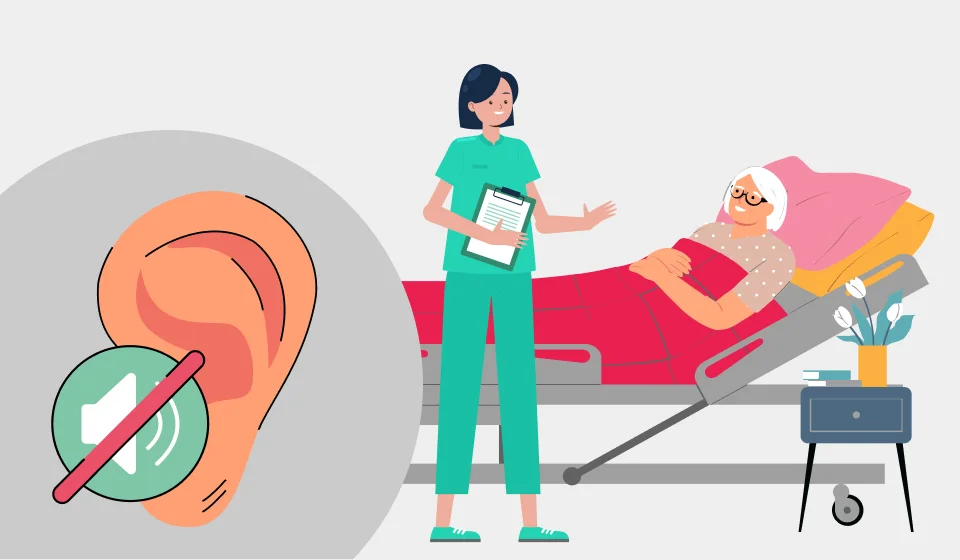
Clear and effective communication is a cornerstone of safe, high-quality homecare. In a home environment, where care is personal and often one-to-one, communication shapes not only how care is delivered but also how clients experience dignity, trust and independence. For Deaf and hard-of-hearing clients, communication needs can differ significantly from those of hearing individuals, requiring thoughtful, inclusive and flexible approaches from care providers.
Deaf clients may use Auslan, rely on lip-reading, prefer written communication or use a combination of methods depending on context and personal preference. Understanding these differences is essential for delivering person-centred care. When communication is effective, it reduces the risk of misunderstandings, improves clinical safety, strengthens therapeutic relationships and enhances overall care quality. Inclusive communication practices are therefore not optional but fundamental to respectful homecare that recognises each individual’s rights, preferences and autonomy.
Understanding Communication Needs In Homecare
Deaf and hard-of-hearing individuals are not a single, uniform group. Some people identify as culturally Deaf and primarily use Auslan as their first language, while others may have partial hearing loss and rely on lip-reading, hearing devices or written communication. These differences influence how information is best shared and understood.
In homecare, individualised communication approaches are particularly important. Unlike clinical environments where systems and supports are standardised, homecare requires practitioners to adapt to each client’s unique preferences within their personal space. Taking the time to understand how a client prefers to communicate demonstrates respect and supports person-centred care.
Respectful communication also means recognising that Deaf clients are experts in their own needs. Rather than making assumptions, care providers should ask, observe and adjust. This approach strengthens trust and ensures communication aligns with the client’s comfort, cultural identity and daily routines.
Professional Communication Support
Book An Interpreter
There are situations where professional interpreters are essential, particularly during assessments, care planning discussions, consent processes or when conveying complex medical information. Qualified interpreters ensure information is communicated accurately and in a culturally appropriate manner.
Using trained interpreters also supports confidentiality and reduces the risk of misinterpretation that can occur when relying on family members or informal supports. In homecare, arranging interpreter services demonstrates a commitment to accessible care and aligns with best practice standards for communication with deaf people.
Best Practices For Direct Communication
Direct, respectful interaction forms the foundation of meaningful communication in homecare. Simple adjustments in approach can significantly improve understanding and client comfort.
Talk Directly To Your Client
Make Sure You Have The Client’s Attention Before Speaking
Maintain Eye Contact While Communicating
Eye contact supports lip-reading, facial expression recognition and non-verbal cues. It also builds rapport and trust, signalling attentiveness and respect. Maintaining visual engagement throughout the interaction helps ensure messages are received clearly and supports effective communication with the deaf and hard of hearing.
Speaking Clearly & Naturally
Use Normal Lip Movement
Speak At Your Normal Volume
Raising your voice does not improve understanding and may feel uncomfortable or disrespectful. Many Deaf clients do not rely on sound, and those with partial hearing benefit more from clarity than volume. Calm, clear speech delivered at a normal volume supports respectful interaction and reduces communication barriers.
Creating A Supportive Communication Environment
Make Sure The Room Is Well Lit
Good lighting is essential for lip-reading, facial expressions and visual cues. Care providers should ensure light sources are positioned to illuminate faces clearly, avoiding shadows or glare. Adjusting curtains or moving to a brighter space can make a significant difference to communication quality.
Using Simple & Visual Communication Tools
Use Plain English
Using plain English helps ensure messages are clear and accessible. Avoiding jargon, complex terminology and long sentences reduces cognitive load and minimises misunderstanding. Short, direct statements are easier to follow and support effective communication.
Use Written Notes Or Diagrams
Written notes, diagrams or simple visual aids can reinforce spoken information and provide a reference for later. In homecare, these tools are especially useful for medication instructions, care routines or explaining procedures. Visual supports are practical communication methods for deaf people and can be easily adapted to individual needs.
Use Gestures & Facial Expressions
Gestures and facial expressions complement spoken or signed communication by adding context and emphasis. Natural, expressive communication supports understanding and helps convey tone, intent and emotion. Non-verbal cues are a powerful tool when words alone are insufficient.
Point To Parts Of The Body
When discussing health concerns or care tasks, pointing to parts of the body can clarify meaning and reduce confusion. This approach is particularly helpful when explaining symptoms, procedures or areas requiring attention, supporting safe and accurate care delivery.
Confirming Understanding
Effective communication is not complete without confirming that information has been understood as intended.
Check Your Client Understands You
Encouraging feedback and clarification helps identify misunderstandings early. Asking open-ended questions rather than yes or no questions allows clients to demonstrate understanding in their own words. This approach is especially important when communicating with hard-of-hearing patients, where assumptions can lead to missed information.
Avoiding assumptions about comprehension reinforces respect and ensures care decisions are informed and collaborative. Checking understanding should be a routine part of communication, not a one-time step.
Conclusion
Effective communication is central to delivering safe, inclusive and person-centred homecare for Deaf clients. From understanding individual communication preferences to creating supportive environments and using visual tools, each strategy contributes to clearer interactions and better care outcomes.
Respect, inclusion and safety should underpin all communication practices. Adapting approaches to meet individual needs not only improves understanding but also strengthens trust and promotes independence. By applying deaf awareness communication tips and recognising the best way to communicate with deaf person may differ from one client to another, homecare providers can deliver care that is both clinically sound and genuinely compassionate.
Ultimately, effective communication supports better decision-making, reduces risk and enhances quality of life. In homecare settings, where relationships are built over time, thoughtful communication strategies play a vital role in empowering Deaf clients to live with confidence, dignity and control over their care.
Latest Post

Complete Guide For Aged Care Quality Standards
Personal Care Attendant (PCA): What they do & why they matter

The Complete Guide To Homecare Packages

Is Homecare a Good Job? Salary, Demand & Benefits

Everything you need to know about homecare packages

5 Reasons why nurses choose to work in aged care
Supporting Seniors Through Life Transitions with Compassionate Homecare