
Complete Homecare Checklist: Daily Tasks & Safety Guide For Seniors
What Is A Homecare Checklist For Seniors?
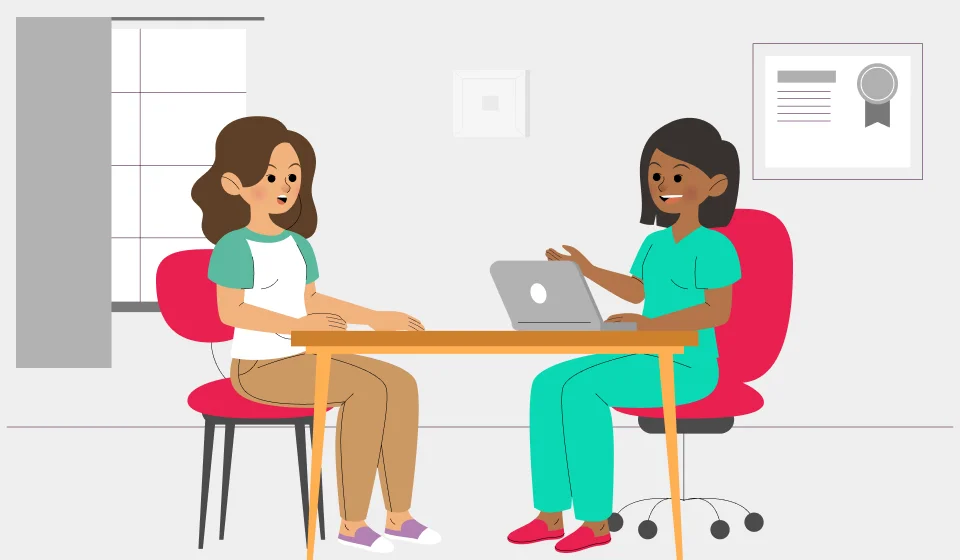
A homecare checklist is a structured guide that outlines the essential daily, weekly, and ongoing care tasks required to support seniors living at home. It helps caregivers stay organised while ensuring that all aspects of care, from personal hygiene to safety, are consistently managed.
Using a well-planned home health care checklist not only improves care delivery but also provides reassurance to families and support workers. It allows care to be personalised based on the individual’s health conditions, mobility, and lifestyle preferences, while maintaining a routine that promotes independence.
- A practical tool to organise and manage daily and weekly care needs.
- Supports caregivers, families, and support workers in delivering consistent care.
- Helps track important tasks such as hygiene, meals, and medications.
- Can be customised based on individual health and personal requirements.
- Encourages routine, independence, and a sense of stability.
Daily Care Tasks To Keep Seniors Healthy
Daily care plays a vital role in maintaining a senior’s physical and mental wellbeing. Regular monitoring and assistance with everyday activities help prevent health complications and ensure that small concerns are addressed early.
A structured home care tasks checklist allows caregivers to stay on top of essential routines while also observing any changes in health or behaviour. Consistency in daily care can significantly improve comfort, confidence, and overall quality of life.
- Monitor general health, including energy levels and mood.
- Assist with daily activities such as dressing, grooming, and hygiene.
- Encourage light movement or physical activity where appropriate.
- Maintain a clean, safe, and comfortable living environment.
- Observe and report any changes in health, appetite, or behaviour.
Personal Care & Mobility Support
Personal care is a fundamental aspect of homecare that directly impacts a senior’s dignity and comfort. Assistance with bathing, grooming, and toileting should always be approached with sensitivity and respect, ensuring the individual feels supported rather than dependent.
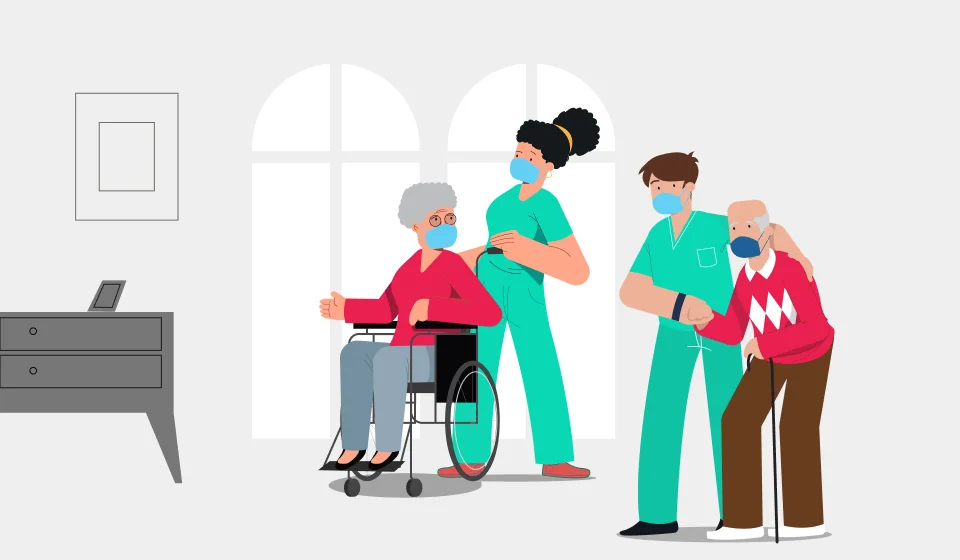
Mobility support is equally important in reducing the risk of falls and injuries. Helping seniors move safely around their home, whether through physical assistance or mobility aids, promotes both safety and independence.
Using equipment such as walkers, wheelchairs, or grab rails can make daily movement easier and more secure. Caregivers should also be mindful of proper techniques to prevent strain or injury during transfers and support tasks, ensuring both their safety and the patient’s wellbeing.
Managing Medications & Health
Medication management is a critical component of senior care. Many older adults rely on multiple medications, making it essential to follow schedules accurately and avoid missed or incorrect doses. A structured system can help ensure medications are taken safely and consistently.
Regular health monitoring, including attending appointments and tracking any symptoms, supports early intervention and better health outcomes. Maintaining clear communication with healthcare professionals also ensures that care remains aligned with the individual’s needs.
A reliable routine for managing medications and health records can reduce risks and improve confidence for both caregivers and seniors.
Simple Home Safety Tips To Prevent Falls
Falls are one of the most common risks for older adults living at home. Implementing a home safety checklist for seniors can significantly reduce these risks and create a safer living environment.
Simple adjustments around the home can make a noticeable difference in preventing accidents. An effective home safety checklist for older adults focuses on eliminating hazards, improving accessibility, and maintaining a secure environment.
- Remove tripping hazards such as loose rugs, cords, or clutter.
- Install grab rails and non-slip mats in bathrooms and key areas.
- Ensure adequate lighting in all rooms, hallways, and entryways.
- Keep frequently used items within easy reach to avoid overreaching.
- Conduct regular safety checks and maintenance around the home.
Food, Hydration & Nutrition Basics
Good nutrition is essential for maintaining strength, energy, and overall health in older adults. Planning balanced meals that meet dietary needs helps support physical wellbeing and can prevent common health issues.
Hydration is equally important but often overlooked. Seniors may not always feel thirsty, so it is important to encourage regular fluid intake throughout the day. A structured approach to meals and hydration ensures consistency and supports better health outcomes.
- Plan balanced meals that include essential nutrients.
- Encourage regular hydration throughout the day.
- Adjust meals to suit dietary needs or medical conditions.
- Maintain consistent meal times and routines.
- Monitor appetite and identify any changes in eating habits.
Supporting Emotional Wellbeing At Home
Emotional wellbeing is a key aspect of overall health, yet it is often less visible than physical care needs. Seniors living at home may experience loneliness, isolation, or reduced social interaction, which can impact their mental health.
Encouraging meaningful engagement through conversation, hobbies, or social activities helps maintain a sense of connection and purpose. Even small interactions can make a significant difference in improving mood and emotional resilience.
Recognising early signs of loneliness or depression allows caregivers to respond proactively. Creating a supportive and positive environment helps seniors feel valued, respected, and emotionally secure in their daily lives.
Key Takeaways
A structured and consistent approach to homecare plays a vital role in supporting the safety, health, and independence of older adults. By following a clear assisted living safety checklist, caregivers can ensure that essential tasks are completed while maintaining a high standard of care.
Balancing safety with independence is key to preserving dignity and confidence. Small, consistent actions can have a lasting impact on quality of life, helping seniors remain comfortable and secure in their own homes. By tailoring care to individual needs, families and caregivers can create a supportive environment that truly makes a difference.
Latest Post
Types, Roles & Duties Of Community Health Nurses
What Is Respite Care And How Does It Work?

Complete Guide For Aged Care Quality Standards
Personal Care Attendant (PCA): What they do & why they matter
The Complete Guide To Homecare Packages
Is Homecare a Good Job? Salary, Demand & Benefits
Everything you need to know about homecare packages
5 Reasons why nurses choose to work in aged care
Supporting Seniors Through Life Transitions with Compassionate Homecare