
Emergency Nurse Roles, Responsibilities & Scope Of Practice

What Does An Emergency Nurse Do?
An emergency nurse is responsible for providing immediate care to patients presenting with acute illnesses, injuries, or life-threatening conditions. Working in emergency departments, these professionals must quickly assess situations, prioritise care, and stabilise patients before further treatment.
The emergency nurse job description involves a combination of clinical expertise, decision-making, and patient-centred care. Nurses must remain alert and adaptable, as patient conditions can change rapidly in emergency settings.
- Provide immediate care to patients with acute illnesses or injuries.
- Perform triage and prioritise patients based on urgency.
- Monitor patient conditions and respond quickly to changes.
- Assist doctors during emergency procedures and interventions.
- Ensure patient safety, comfort, and reassurance in high-pressure situations.
Key Roles & Responsibilities In The Emergency Department
Emergency nurses play a central role in delivering efficient and effective care within the emergency department. Their responsibilities extend beyond clinical tasks, requiring coordination, communication, and critical thinking to manage multiple patients at once.
Understanding er nurse roles and responsibilities helps highlight the complexity of the position. From initial assessment to ongoing monitoring, emergency nurses ensure that each patient receives timely and appropriate care.
- Conduct patient assessments and gather detailed medical histories.
- Administer medications and emergency treatments as prescribed.
- Manage life-saving equipment such as monitors, ventilators, and defibrillators.
- Maintain accurate documentation and patient records.
- Collaborate closely with doctors, paramedics, and other healthcare professionals.
Scope Of Practice For Emergency Nurses
The scope of emergency nursing is defined by professional standards, legal frameworks, and clinical guidelines in Australia. Emergency nurses are required to practise within these boundaries while delivering safe and effective care.
The emergency nursing scope and standards of practice guide nurses in understanding their responsibilities, limitations, and accountability. This ensures that patient care remains consistent, ethical, and aligned with best practices.
Within the scope and practice of emergency nursing, nurses perform both delegated and independent clinical tasks. They must recognise when to escalate care, follow evidence-based protocols, and maintain patient safety at all times. Advanced roles, such as those within the emergency nurse practitioner scope of practice, allow for greater clinical autonomy while still adhering to strict regulatory standards.
Essential Skills Every Emergency Nurse Needs
Emergency nursing requires a strong combination of technical and interpersonal skills. Nurses must be able to assess situations quickly, make informed decisions, and deliver care with precision and confidence.
In addition to clinical expertise, emotional intelligence and communication skills are essential. The ability to connect with patients and families, even in stressful situations, contributes to better care outcomes and overall patient experience.
- Strong clinical judgement and critical thinking abilities.
- Effective communication and teamwork skills.
- Ability to remain calm and focused under pressure.
- Time management and prioritisation skills in busy environments.
- Empathy and a patient-centred approach to care.
A Day In The Life Of An Emergency Nurse
A typical day in emergency nursing is fast-paced and often unpredictable. Nurses must be prepared to handle a wide range of cases, from minor injuries to life-threatening emergencies, all within the same shift.
The ER nurse’s job responsibilities involve balancing multiple priorities while maintaining high standards of care. Each day presents new challenges, requiring adaptability and resilience.
- Work in a dynamic and rapidly changing environment.
- Manage multiple patients with varying levels of urgency.
- Collaborate with doctors, paramedics, and support staff.
- Respond to high-pressure and emotionally intense situations.
- Balance clinical duties with effective patient communication.
Qualifications & Training Required To Become An Emergency Nurse
Becoming an emergency nurse in Australia requires formal education, clinical training, and ongoing professional development. A recognised nursing degree and registration with the appropriate regulatory body are essential starting points.
Many nurses pursue additional certifications or specialised training in emergency or critical care to enhance their skills. Continuous learning is a key part of the profession, ensuring nurses stay updated with the latest practices and technologies.
- Completion of a recognised nursing degree.
- Registration with the Nursing and Midwifery Board of Australia.
- Additional certifications in emergency or critical care nursing.
- Hands-on experience through clinical placements and training.
- Pathways to advanced roles such as leadership or specialist positions.
Challenges & Rewards Of Working In Emergency Nursing
Emergency nursing is both challenging and rewarding. The environment can be physically demanding and emotionally intense, with exposure to critical and sometimes traumatic situations. Nurses must develop resilience and coping strategies to manage these pressures effectively.
Despite these challenges, the role offers significant rewards. Emergency nurses have the opportunity to make a real difference in patient outcomes, often during the most critical moments of a person’s life. This sense of purpose contributes to high levels of job satisfaction.
The career also provides strong opportunities for growth and advancement. Roles such as leadership positions or er charge nurse duties offer pathways for experienced nurses to take on greater responsibility and influence within the healthcare system.
Final Thoughts
Emergency nursing is a vital and dynamic career that plays a crucial role in the healthcare system. It requires a unique combination of skill, dedication, and adaptability to deliver high-quality care in fast-paced environments.
For those considering this career path, understanding the emergency room nurse roles and responsibilities is an important first step. With the right training and commitment, emergency nursing offers a fulfilling and stable career, with the opportunity to make a meaningful impact on patient care and outcomes across Australia.
Latest Post

Duties & Responsibilities Of A Facility Manager

Top 6 In-Demand Nursing Jobs Across Australia

Life As A Rural Area Nurse
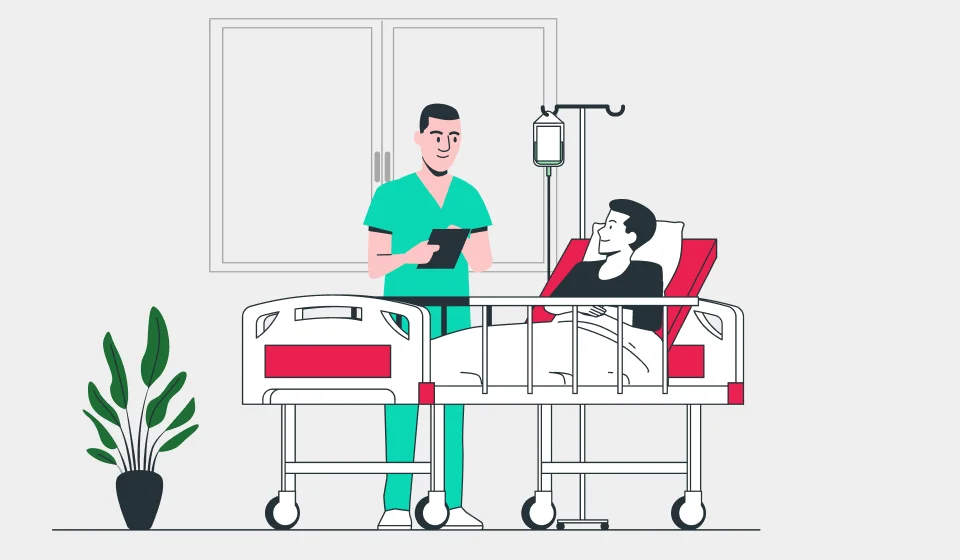
Standards & Scope of Practice for Registered Nurses
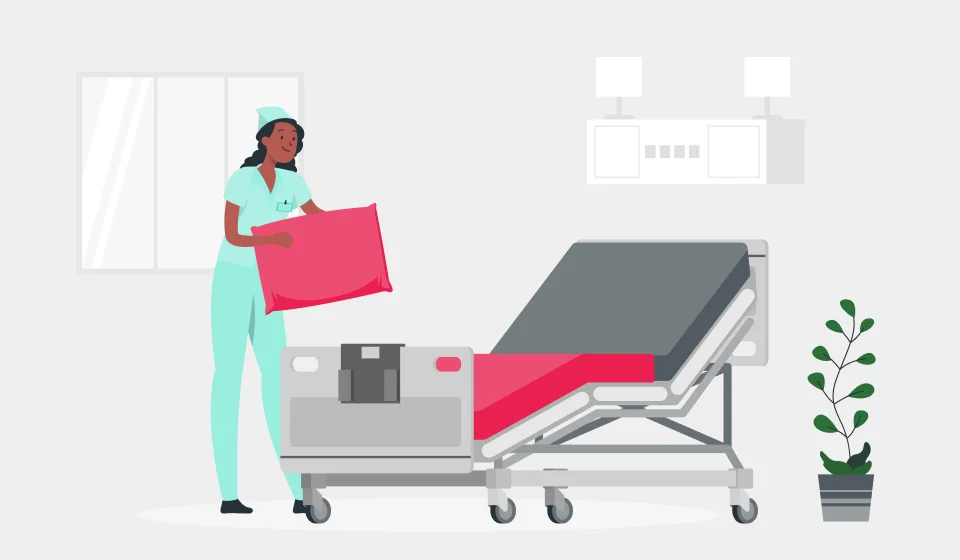
Roles & Responsibilities Of Hospital Staff
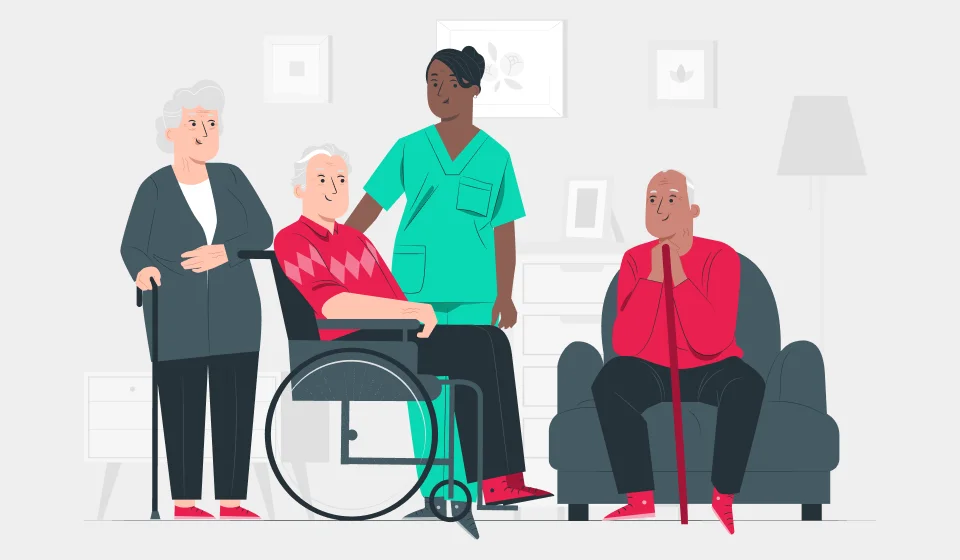
Nurse Unit Manager – Salary & Responsibilities

Why Does Working With The Best Nurse Staffing Agencies Matter?

Nursing As A Career: Our Top 7 Reasons
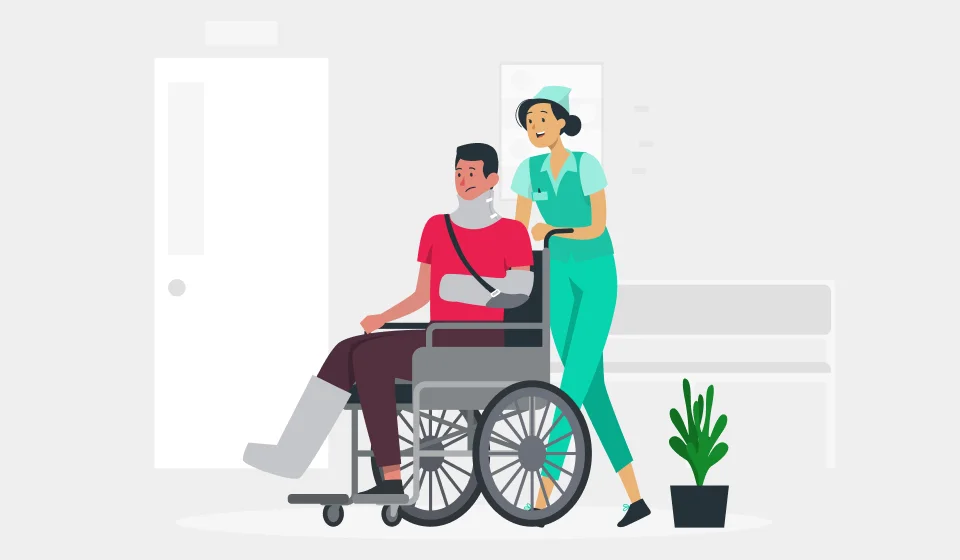
Reasons Why Working As An Agency Nurse Has Its Perks