
Guide On Eligibility For NDIS
What Is The NDIS?
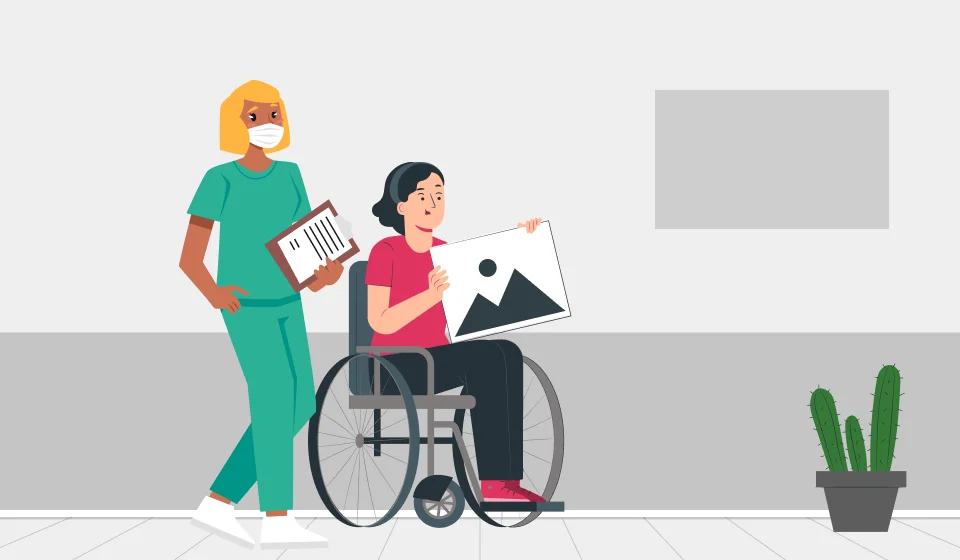
The National Disability Insurance Scheme represents a transformative approach to disability support in Australia, shifting from a welfare model to an investment-based system that recognises the rights and potential of every person living with disability. Understanding what is NDIS is essential for anyone considering applying for support or helping a family member navigate the system.
What Does NDIS Stand For?
Right To Quality & Safety
How Does The NDIS Work?
What Support Does NDIS Provide?
Who Can Access The NDIS?
What Is A Disability For NDIS?
Understanding how the NDIS defines disability is critical because not every medical condition qualifies for support. Many people assume that having a diagnosis automatically makes them eligible, while others believe they won’t qualify because their condition doesn’t fit a stereotypical view of disability. Both assumptions can lead to confusion during the NDIS application process.
Ndis Legal Definition Of Disability
According to the NDIS Act 2013, a disability must be attributable to intellectual, cognitive, neurological, sensory, or physical impairments; be permanent (likely to be lifelong); and result in substantially reduced functional capacity for communication, social interaction, learning, mobility, self-care, or self-management. The concept of “permanent and significant” sits at the heart of NDIS eligibility.
What Makes A Disability "Permanent" & "Significant"?
Types Of Disabilities Recognised By NDIS
Who Is Eligible For The NDIS?
Age Requirements Explained
Understanding does NDIS have an age limit is crucial for timing your application. You must be under 65 when you first apply because disability support for people over 65 is provided through the aged care system. However, if you join before turning 65, you can generally remain in the scheme as you age.
Residency & Documentation
Residency & Documentation
Early intervention means providing support when there’s reasonable evidence that early support will reduce future support needs. Children under seven showing developmental delays might access support without a specific diagnosis, recognising that early childhood intervention can significantly influence long-term outcomes.
What Medical Conditions Qualify For Disability?
There’s no exhaustive list of qualifying conditions. When considering what disabilities does NDIS cover, remember the focus is always on functional impact rather than diagnosis alone. Two people with identical diagnoses might have completely different support needs. Your application should provide concrete examples of functional limitations rather than relying on diagnostic labels.
Physical disabilities that may qualify include cerebral palsy, spinal cord injuries, and muscular dystrophy. Intellectual disabilities include Down syndrome and global developmental delay. Neurological conditions like severe epilepsy, acquired brain injury, and early-onset dementia (before age 65) may qualify. Sensory disabilities affecting vision or hearing, and psychosocial disabilities from permanent mental health conditions, are also recognised.
Conditions that typically don’t qualify include temporary injuries, fully treatable conditions, mild learning difficulties alone, and age-related conditions without pre-existing disability.
What Happens If You Are Not Eligible For NDIS Funding?
Learning your application has been rejected can feel devastating. You’re not alone—many people don’t qualify. Common rejection reasons include being over 65, not meeting residency requirements, disability not considered permanent or significant enough, insufficient evidence provided, or having a treatable condition.
Physical disabilities that may qualify include cerebral palsy, spinal cord injuries, and muscular dystrophy. Intellectual disabilities include Down syndrome and global developmental delay. Neurological conditions like severe epilepsy, acquired brain injury, and early-onset dementia (before age 65) may qualify. Sensory disabilities affecting vision or hearing, and psychosocial disabilities from permanent mental health conditions, are also recognised.
Conditions that typically don’t qualify include temporary injuries, fully treatable conditions, mild learning difficulties alone, and age-related conditions without pre-existing disability.
Your Right To Request A Review
You can request an internal review within three months if you believe the decision was incorrect. Focus on providing stronger medical evidence and detailed functional assessments. External review through the Administrative Appeals Tribunal (AAT) is also available. Getting advocacy support can significantly improve your chances during the review process.
Alternative support options include state disability services, Centrelink payments like Disability Support Pension, Medicare services, community health programmes, and charitable organisations. At NurseLink Healthcare, we can help connect you with appropriate support services regardless of your NDIS status.
What Happens Once You're Approved?
Congratulations on your approval! Your approval letter will outline next steps, timeframes, and access to the myplace portal. The planning meeting, conducted by a Local Area Coordinator or NDIA planner, typically occurs within 3-6 months of approval. This meeting can be face-to-face, by phone, or via video, and focuses on identifying your goals and the supports needed to achieve them.
Key Takeaways
The NDIS is a national scheme supporting Australians with permanent and significant disability. Started in July 2013 and fully rolled out by 2020, it’s funded by the Australian Government and run by the NDIA. The scheme provides reasonable and necessary support through a person-centred, goal-focused approach. Understanding eligibility requirements, gathering strong medical evidence, and focusing on functional impact are crucial for successful applications.
At NurseLink Healthcare, we understand the complexities of the NDIS and can support you throughout your journey—from providing comprehensive functional assessments and medical reports that strengthen your application, to delivering high-quality, NDIS-aligned care once you’re approved. Our qualified nurses and support workers work collaboratively with participants to implement their plans effectively, maximise their independence, and achieve their goals with compassionate, reliable support tailored to individual needs.
Latest Post
Complete Guide To Specialist Disability Accommodation
Benefits Of The NDIS For Participants & Providers
A Complete Guide To NDIS Core Supports & Their Uses
How To Become A Specialist Support Coordinator

What Does An NDIS Support Coordinator Do?
Guide On Eligibility For NDIS

Know Your Rights As An NDIS Participant
A Beginner’s Guide To Navigating The NDIS