
Indoor Activities For People With Disabilities (Easy & Engaging Ideas)
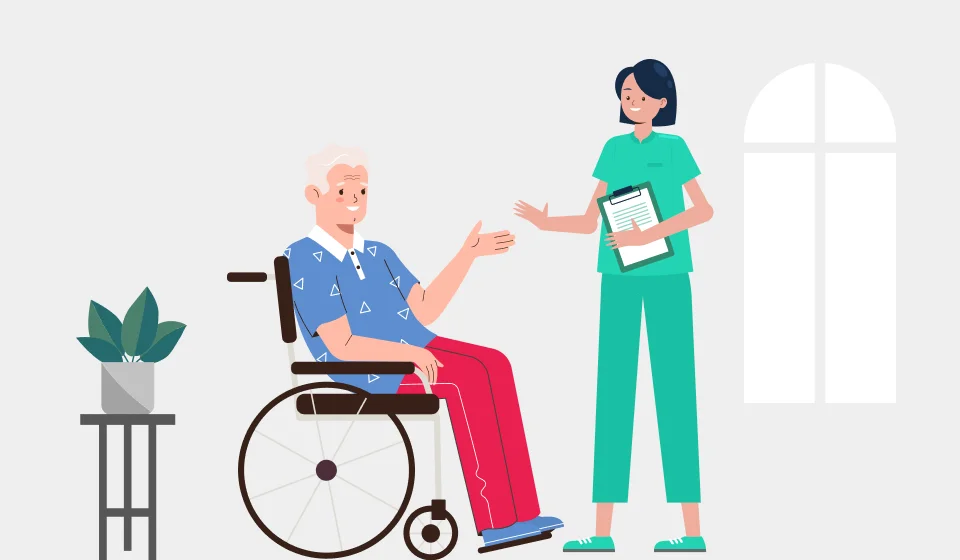
Meaningful engagement plays a vital role in supporting the overall wellbeing of people with disabilities, particularly within a home environment where daily routines can sometimes become repetitive. Thoughtfully planned indoor activities for people with disabilities can contribute significantly to mental stimulation, physical movement, and emotional balance. These activities not only provide enjoyment but also help maintain a sense of purpose and independence.
Creating a safe, inclusive, and stimulating home environment is essential for encouraging participation and confidence. Whether for individuals, families, or support workers, having access to practical and adaptable activity ideas can make a meaningful difference. This guide offers a range of easy and engaging options, along with guidance on tailoring activities to suit different needs, abilities, and preferences.
Why Indoor Activities Matter For People With Disabilities
Engaging in regular activities within the home setting supports both physical and cognitive health. Indoor activities for disabled adults provide structured opportunities to maintain skills, enhance focus, and promote emotional stability. Without consistent engagement, individuals may experience increased isolation or reduced motivation, which can impact overall wellbeing.
In addition, participating in fun activities for people with disabilities helps foster a sense of achievement and connection. Whether through creative expression, gentle exercise, or social interaction, these activities contribute to a more balanced and fulfilling daily routine.
- Improves cognitive function and concentration.
- Supports emotional wellbeing and reduces feelings of isolation.
- Encourages independence and builds confidence.
- Helps maintain routine and structure in daily life.
- Promotes a sense of purpose and engagement.
Simple & Enjoyable Indoor Activities You Can Try At Home
Simple activities that require minimal setup can be highly effective in promoting engagement. These activities are particularly beneficial for individuals who may prefer familiar and low-pressure environments. Choosing activities that align with personal interests ensures a higher level of participation and enjoyment.
Puzzles and board games, for example, can improve memory and problem-solving skills, while arts and crafts encourage creativity and self-expression. Music and singing can also have a positive impact on mood, helping individuals feel more relaxed and connected.
Light physical activities such as stretching or guided movement exercises can support mobility and circulation. These activities should always be adapted based on individual comfort levels and physical abilities to ensure safety and inclusivity.
- Puzzles and board games for cognitive stimulation.
- Arts and crafts to support creativity.
- Music, singing, or rhythm-based activities.
- Light stretching or gentle exercise routines.
- Adapt activities based on mobility, comfort, and preferences.
Activity Ideas For Adults With Different Ability Levels
When planning indoor activities for adults with disabilities, it is important to consider varying levels of physical and cognitive ability. Activities should be adaptable to ensure that each individual can participate comfortably and meaningfully. A one-size-fits-all approach is rarely effective, particularly in diverse care settings.
Low-support activities may include independent tasks such as reading, drawing, or listening to music, allowing individuals to engage at their own pace. Moderate-support activities involve some level of guidance, such as group games or assisted crafts, which encourage interaction and collaboration.
High-support activities may require direct assistance from caregivers or support workers, particularly for individuals with limited mobility or complex needs. These may include sensory-based activities or guided participation in simple routines. Regardless of the level of support required, inclusivity and flexibility remain essential in ensuring a positive experience.
Creative & Recreational Ways To Stay Engaged Indoors
Creative expression plays an important role in maintaining emotional wellbeing and encouraging personal development. Recreational activities for people with disabilities provide opportunities to explore interests, develop skills, and experience enjoyment in a relaxed environment.
Activities such as painting, drawing, and DIY crafts allow individuals to express themselves in unique ways, while cooking or baking simple recipes can promote independence and practical skills. Indoor gardening or sensory play can also offer calming and therapeutic benefits.
- Painting, drawing, or creative craft projects.
- Cooking or baking simple and safe recipes.
- Indoor gardening or plant care activities.
- Sensory play using textures, colours, and materials.
- Activities that encourage self-expression and creativity.
Leisure Activities That Support Relaxation & Wellbeing
In addition to active engagement, leisure activities for disabled adults are equally important in supporting rest and recovery. A balanced routine should include opportunities for relaxation to help reduce stress and maintain emotional stability.
Listening to music or audiobooks can provide comfort and mental stimulation, while watching favourite shows or films offers a familiar and enjoyable experience. Practices such as meditation or simple breathing exercises can also help promote calmness and reduce anxiety.
Creating a comfortable and quiet environment enhances the effectiveness of these activities, allowing individuals to fully relax and recharge.
- Listening to music, podcasts, or audiobooks.
- Watching television programs or films.
- Practising meditation or breathing exercises.
- Engaging in quiet hobbies such as reading.
- Creating a calm and comfortable space for relaxation.
Activities For People With Developmental Or Special Needs
Activities for special needs adults often require a more structured and sensory-focused approach. Consistency and repetition are key in supporting learning, engagement, and comfort. These activities should be designed to align with individual abilities and preferences, ensuring they are both accessible and meaningful.
Indoor activities for developmentally disabled adults may include sensory bins, tactile play, or simple routine-based tasks that promote familiarity and confidence. Interactive games that focus on memory, coordination, or communication can also support cognitive development.
- Sensory bins and tactile exploration activities.
- Routine-based tasks to build familiarity.
- Interactive games that support cognitive skills.
- Activities that encourage repetition and consistency.
- Adaptations based on individual learning styles and needs.
How To Choose The Right Activities For Individual Needs
Selecting the right activities involves understanding each individual’s physical abilities, cognitive capacity, and personal interests. Activities should be chosen with safety, comfort, and engagement in mind, ensuring that they are appropriate for the individual’s current level of function.
It is also important to involve the individual in the decision-making process wherever possible, as this promotes autonomy and motivation. Starting with simple activities and gradually increasing complexity allows for a more sustainable and positive experience. By observing responses and adjusting accordingly, caregivers and support workers can create a supportive environment that encourages participation and enhances overall quality of life.
Latest Post
Complete Guide To Specialist Disability Accommodation
Benefits Of The NDIS For Participants & Providers
A Complete Guide To NDIS Core Supports & Their Uses
How To Become A Specialist Support Coordinator

What Does An NDIS Support Coordinator Do?

Guide On Eligibility For NDIS

Know Your Rights As An NDIS Participant
A Beginner’s Guide To Navigating The NDIS