Most In-Demand Nursing Jobs In 2026
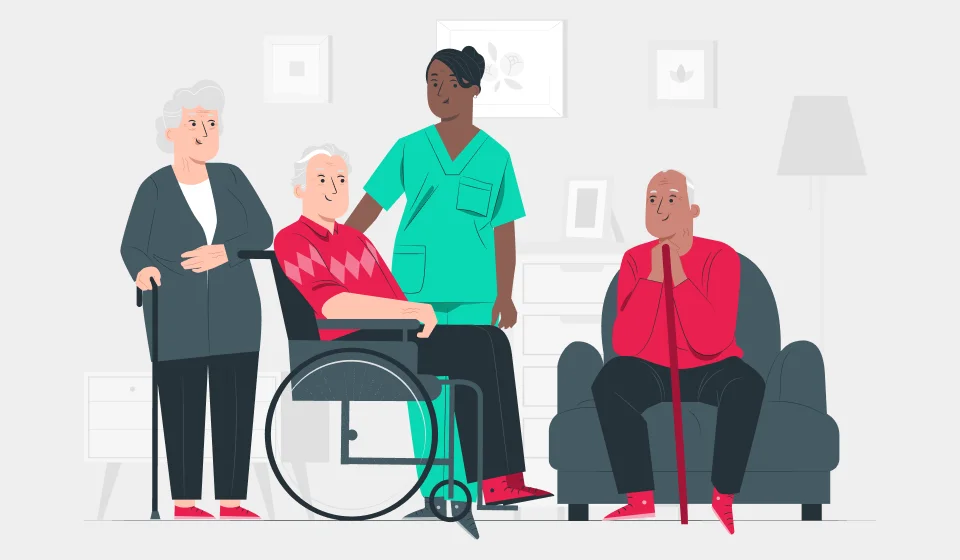
The healthcare sector is undergoing a period of sustained transformation, and nursing sits at the centre of this change. As Australia’s population continues to age and the prevalence of chronic and complex health conditions increases, questions such as are nursing jobs in demand and are nursing jobs in high demand are becoming increasingly relevant for both healthcare professionals and the wider community. The short answer is yes, but the reasons behind this demand are layered and closely tied to how care is being delivered in 2026 and beyond.
Several drivers are shaping the nursing workforce outlook. An ageing population is placing pressure on hospitals, aged care services and community-based care. Advances in medical treatment mean people are living longer with chronic illnesses that require ongoing clinical support. At the same time, hospital capacity constraints are accelerating a shift towards care in the home and community settings. These trends have positioned nursing as one of the most needed nursing job categories within the broader health system.
This article provides an analytical overview of why certain nursing roles are among the most in-demand nursing jobs in 2026. It explores workforce trends, emerging care needs and how evolving healthcare models are influencing healthcare careers in demand across Australia.
Emergency Department (ED) Nurses
Why ED Nurses Are In High Demand?
Emergency admissions continue to rise alongside population growth and longer life expectancy. EDs provide 24/7 access to care, managing everything from acute injuries to complex medical crises. Seasonal surges such as influenza outbreaks, heat-related illnesses, and pandemic-related pressures further intensify demand, making ED nursing a critical component of medical careers in the future.
Key Skills Required
Career Outlook In 2026
ICU / Critical Care Nurses
Factors Driving Demand
Specialist Skills & Training
Long-Term Workforce Needs
Operating Room (OR) Nurses
Growth In Surgical Services
Role Responsibilities
Demand Outlook
Hospice & Palliative Care Nurses
Growing Need For End-Of-Life Care
Skills That Matter Most
Role In Modern Healthcare
There is a growing preference for home-based palliative care, allowing individuals to remain in familiar environments. This trend is strengthening the role of palliative care nurses within community and in-home settings.
Home Health Nurses
Why Home Health Nursing Is Growing?
The shift from hospital-based care to home care is accelerating due to hospital capacity pressures and patient preference. An ageing population and the need for long-term management of chronic diseases such as diabetes, cardiovascular conditions and respiratory illnesses are driving this change.
Typical Responsibilities
Future Demand Trends
Acute Care Nurses
What Defines Acute Care Nursing
Demand Drivers
Career Stability
Acute care nursing offers strong career stability, with ongoing demand across hospitals, specialised units and transitional care services. Its versatility makes it a resilient option within the nursing workforce.
Choosing The Right Nursing Specialty
Factors To Consider
Personal interests and passion for specific care settings play a crucial role. Work environment preferences, such as hospital-based versus community care, should be carefully considered. Emotional and physical demands also vary across specialties and influence long-term job satisfaction.
Skills & Long-Term Growth
Some nurses may prefer deep specialisation, while others value flexibility across different care settings. Ongoing training and professional development are essential to maintain competence and adapt to evolving healthcare needs.
Aligning With Future Demand
Choosing specialties aligned with sustained workforce needs can enhance career longevity. Understanding the demand for nurses in the future helps nurses make informed decisions that support both professional growth and workforce sustainability.
Key Takeaways
Nursing continues to sit at the heart of Australia’s healthcare system, with demand driven by demographic change, chronic disease and evolving care models. Roles across emergency, critical care, surgical, palliative, home health and acute care settings are among the most needed nursing jobs in 2026.
Adaptability and continuous learning remain essential as healthcare delivery shifts toward integrated, community-based models. Nurses who develop specialised skills while maintaining flexibility will be well positioned within growing healthcare careers. Across hospitals, homes and community settings, nurses play an indispensable role in delivering safe, compassionate and high-quality care, reinforcing why the demand for nurses in the future remains strong across the entire healthcare sector
Latest Post

Duties & Responsibilities Of A Facility Manager

Top 6 In-Demand Nursing Jobs Across Australia

Life As A Rural Area Nurse
Standards & Scope of Practice for Registered Nurses
Roles & Responsibilities Of Hospital Staff
Nurse Unit Manager – Salary & Responsibilities
Why does working with the best nurse staffing agencies matter?
Nursing as a career: our top 7 reasons
Reasons why working as an agency nurse has its perks