
Personal Care Attendant (PCA): What They Do & Why They Matter
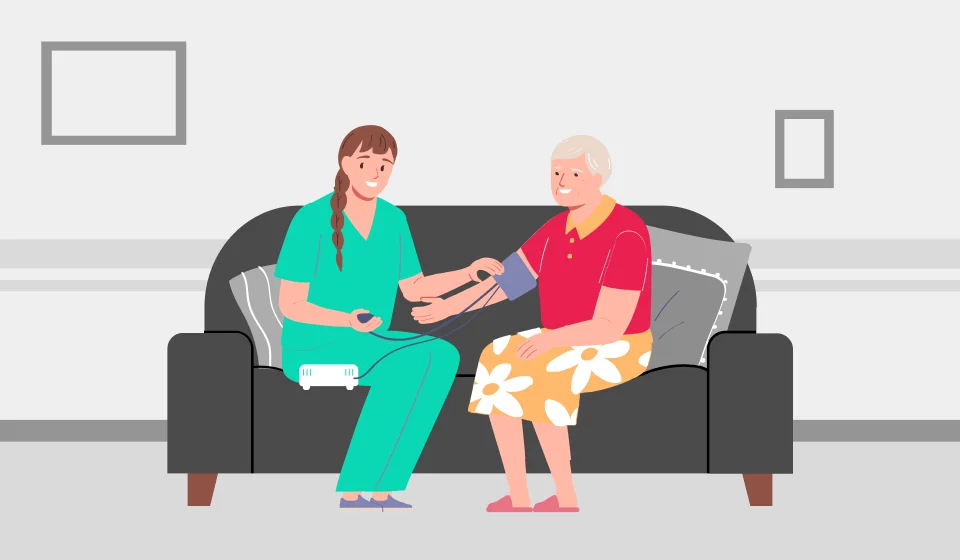
Support coordination plays a crucial role in helping individuals navigate the complex landscape of care services and community supports. It ensures that people are connected to the right providers, understand their options clearly and receive guidance that aligns with their goals and personal preferences. Whether an individual requires aged care, disability supports, nursing interventions or day to day living assistance, strong coordination empowers them to make informed decisions and take control of their wellbeing. At NurseLink Healthcare, support is more than a service; it is a partnership centred on dignity, independence and quality of life.
What Is A Personal Care Attendant?
A Personal Care Attendant, often referred to as a PCA, is a trained professional who provides essential hands on support to people who require assistance with daily living tasks. In the healthcare and community support industry, PCAs are highly valued because they contribute directly to a person’s ability to live safely, comfortably and with self respect.
PCAs work across a wide range of environments including home care settings, disability support services, aged care facilities, respite care programs and hospital support units. While titles such as caregiver, support worker and attendant care worker are sometimes used interchangeably, a PCA is specifically focused on direct personal care and everyday assistance.
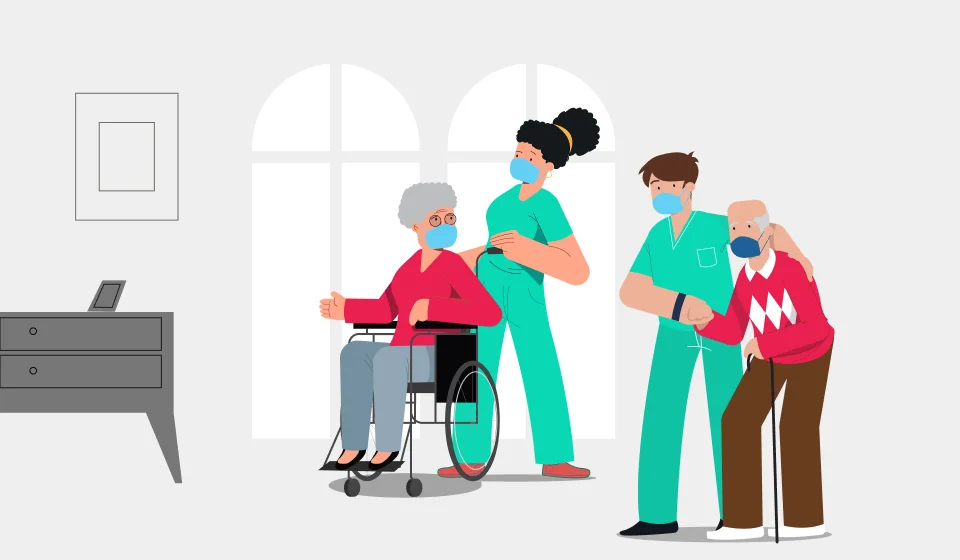
Their clients include elderly individuals, people living with physical or intellectual disabilities, those recovering from illness or injury and people with chronic conditions who need regular support. The presence of a PCA can be the difference between someone depending entirely on family or institutions and someone being able to enjoy an active, independent life in the comfort and familiarity of their own home.
For families, PCAs bring peace of mind. For clients, they provide dignity, safety and practical help that enhances daily living. This combination makes the PCA profession one of the most vital roles in today’s care workforce.
What Does A Personal Care Worker Do?
A Personal Care Worker supports clients with daily activities that are essential for their quality of life and physical well-being. Their responsibilities are hands-on and require both professionalism and compassion. For example, one of their primary duties is assisting clients with personal hygiene, which includes bathing, toileting, grooming and dressing. These tasks require sensitivity and respect to maintain the client’s privacy, comfort and dignity.
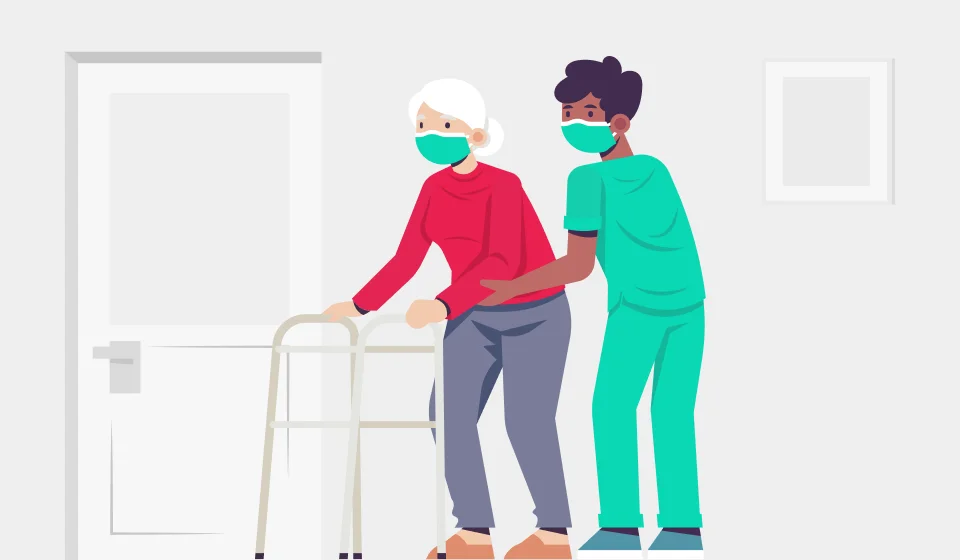
Mobility assistance is also central to the role. PCAs support clients with safe transfers from bed to chair, movement around the home and supervision when walking to prevent falls or injuries. This includes ensuring proper manual handling techniques are followed to protect both the client and the worker.
Meal preparation and nutrition support are other important components of daily assistance. PCAs help plan and prepare food, monitor dietary requirements and assist with feeding if needed. For many clients, these services contribute significantly to maintaining strength, energy and overall health.
Beyond physical care, PCAs provide invaluable companionship and emotional support. Whether engaging in conversation, recreational activities or memory stimulation exercises, they help reduce loneliness and promote cognitive wellbeing. They also monitor behavioural and physical changes and report any concerns to supervisors or health professionals, ensuring early intervention when needed.
In many ways, the day-to-day work of a PCA closely aligns with home health aide duties and responsibilities, making them an essential part of the wider care team.
How Do I Become A Personal Care Attendant?
The pathway to becoming a PCA is structured, accessible and designed to strengthen both knowledge and practical skills. The minimum education requirement typically includes completion of secondary school and meeting a legal minimum age for employment in the care sector. However, the most recognised qualification is a Certificate III in Individual Support, which provides comprehensive training in personal care, safety procedures and professional practice.
Students must also complete mandatory compliance checks, including a Police Check, Working With Children Check, and, where required, an NDIS Worker Screening Check. First Aid and CPR training are essential to ensure that a PCA is prepared to respond to emergencies and health-related incidents.
During the course, trainees complete placement hours in real care environments. This hands-on exposure allows future PCAs to refine their approach, practice safety techniques and develop confidence in supporting individuals with different needs and abilities.
Once qualified, candidates can apply for PCA roles through healthcare providers, aged care facilities, disability support organisations, nursing agencies and home care services. A strong resume emphasises experience, reliability, communication skills and a genuine passion for supporting people. Tailoring the application to highlight personal care attendant requirements can significantly increase success when applying for jobs in the sector.
How Much Does A Personal Care Attendant Make?
The income of a Personal Care Attendant varies based on experience, qualifications, location and the sector in which they work. On average across Australia, PCAs earn a competitive hourly rate and can reach a high annual income with consistent shifts. Those with years of experience or specialised skills such as dementia care, manual handling training or complex disability support typically attract higher rates.
Pay differences also exist between sectors. Aged care, disability supports and hospital-based care may offer different hourly wages depending on demand and funding structures. PCAs who take night shifts, weekend shifts or work on public holidays usually receive penalty rates that significantly boost earnings.
Many organisations also provide additional benefits such as travel reimbursement, training allowances and opportunities for professional development. For individuals seeking a stable and rewarding career with reliable income growth, the PCA role offers strong financial prospects and job security.
Is Being A Personal Care Attendant Right For You?
The personal care profession is highly rewarding but also demanding, making it important for individuals to consider their personal values, strengths and motivations before choosing this career. Successful PCAs are compassionate, empathetic and patient. They respect cultural and individual differences, listen attentively and understand the impact their support has on someone’s life.
The role requires physical stamina as tasks may involve lifting, assisting with mobility and supporting clients throughout the day. It can also be emotionally demanding when working with clients who face health challenges, behavioural changes or end-of-life conditions. However, the emotional rewards are significant. Knowing that you are helping someone live safely, stay socially connected or remain in their own home brings a deep sense of purpose.
Career progression opportunities are strong, with pathways leading to nursing, disability specialist roles, community care coordination and managerial positions.
Before choosing this profession, candidates might reflect on questions such as:
- Do I enjoy helping people and building meaningful connections?
- Can I work calmly in challenging or emotional situations?
- Am I comfortable being responsible for another person’s safety and wellbeing?
If the answer is yes, the PCA profession may be a deeply fulfilling career choice.
Key Responsibilities Of A Personal Care Attendant
A PCA is responsible for maintaining a person’s wellbeing through a range of structured support tasks. Key personal care attendant responsibilities include:
- Supporting safe personal hygiene and toileting routines that promote dignity and comfort.
- Assisting with medication prompts and basic health monitoring under the guidance of health professionals.
- Maintaining a safe and clean living environment by assisting with light domestic tasks such as laundry, dishes and bed making.
- Providing community access, including support with transport to medical appointments, shopping or social activities.
- Creating a supportive emotional environment and building long-term trust through genuine companionship and active listening.
These responsibilities ensure clients feel safe, respected and supported, both physically and emotionally.
Skills & Qualifications Needed For Pca
To thrive in this profession, PCAs must develop both technical and interpersonal skills. Technical skill areas include manual handling, mobility support, infection control procedures and understanding how to use adaptive equipment safely.
Soft skills are equally essential. Strong communication, empathy, patience and problem-solving ability help PCAs build rapport with clients and respond calmly to unexpected situations. These qualities form the foundation of professional personal care attendant skills.
Most employers require completion of Certificate III in Individual Support, First Aid and CPR training. Additional learning in dementia care, medication support or mental health often strengthens employment opportunities. Compliance requirements such as background checks maintain safety and professional standards within the industry.
Learning does not stop once employment begins. Many PCAs continue to build capabilities through ongoing training, workplace mentoring, skill-building workshops and professional development courses.
Frequently Asked Questions
What is a personal care attendant?
A personal care attendant is a trained professional who assists people with daily living tasks such as hygiene, mobility, meals and emotional support. They work in home care, disability support, aged care and community programs to promote independence and safety. Their role is essential for individuals who need extra help to live comfortably and confidently.
How to become a personal care attendant?
To become a PCA, you typically complete a Certificate III in Individual Support along with First Aid and CPR training. Mandatory checks, such as a Police Check and Working With Children Check, are also required. Placement hours give hands-on experience before applying for roles in aged care, disability and community care settings.
How much do personal care attendants make?
PCA income varies depending on experience, qualifications, location and the type of care sector. Penalty rates apply for weekends, overnight work and public holidays, increasing earnings. Many PCAs benefit from long-term job stability and opportunities to progress into senior support or nursing roles.
What are the working hours like for PCAs?
Working hours can be flexible and range from part-time to full-time, with shifts available mornings, evenings and weekends. This flexibility allows PCAs to choose a schedule that suits their lifestyle and family commitments.
Is previous experience required to get a PCA job?
While experience is helpful, many organisations hire newly qualified workers who have completed their placement hours. A positive attitude, willingness to learn, and strong interpersonal skills are often just as important as prior employment history.
Latest Post

What Is Respite Care And How Does It Work?

Complete Guide For Aged Care Quality Standards
Personal Care Attendant (PCA): What they do & why they matter
The Complete Guide To Homecare Packages
Is Homecare a Good Job? Salary, Demand & Benefits
Everything you need to know about homecare packages
5 Reasons why nurses choose to work in aged care
Supporting Seniors Through Life Transitions with Compassionate Homecare