
Supported Independent Living Eligibility Criteria
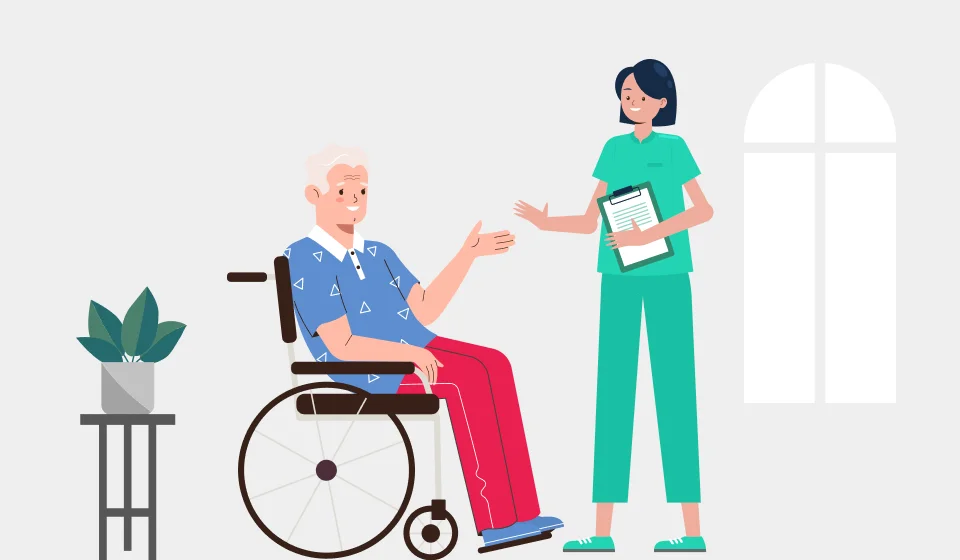
Disability support plays a crucial role in helping individuals live safely and meaningfully within their communities, especially when daily tasks become challenging without assistance. Structured care environments are designed to bridge the gap between independence and necessary support, ensuring individuals can maintain control over their lives while receiving the help they need. Striking the right balance between autonomy and care is essential, as too little support can compromise safety, while too much can limit independence.
Supported Independent Living (SIL) is a key model that addresses this balance by offering tailored assistance for everyday activities within a supportive environment. It focuses on enhancing quality of life, promoting safety, and encouraging functional independence. By enabling individuals to live in shared or individual accommodation with appropriate support, SIL empowers participants to build skills, engage socially, and maintain dignity in their daily lives.
Introduction To Supported Independent Living (SIL)
Supported Independent Living (SIL) is a structured support model within disability care that focuses on assisting individuals with daily living activities rather than providing direct medical treatment. It is designed for people who require consistent help to manage everyday tasks while still maintaining as much independence as possible.
In a healthcare and disability support context, SIL plays a vital role in promoting autonomy, dignity, and active participation in the community. It allows individuals to live in environments that suit their needs, whether in shared housing arrangements or more independent living setups, with support tailored to their personal circumstances.
- Assistance with everyday personal care and routine activities.
- Support focused on building independence rather than dependency.
- Encouragement of social interaction and community engagement.
- Flexible living arrangements including shared or individual housing.
- Structured support designed to align with individual goals and capabilities.
What Is Supported Independent Living & Who Is It For?
Supported Independent Living is intended for individuals who experience significant and ongoing challenges in managing daily life due to disability. It is particularly suited to those who require regular or continuous support to maintain their wellbeing and safety. Understanding the supported independent living eligibility criteria is essential for determining who can benefit from this type of support.
The model is designed for people whose needs extend beyond occasional assistance, often requiring structured and consistent care throughout the day or night. It supports individuals with a wide range of conditions that impact their ability to function independently.
- Individuals with permanent and significant disabilities.
- People requiring 24/7 or frequent daily support.
- Those with neurological conditions such as acquired brain injury.
- Individuals with intellectual disabilities affecting decision-making and daily functioning.
- People with physical disabilities impacting mobility and self-care.
- Individuals needing assistance with bathing, dressing, and personal hygiene.
- Support requirements for meal preparation and nutrition.
- Need for medication reminders and routine management.
- Individuals requiring social interaction support.
- Behavioural support needs for emotional or cognitive challenges.
Understanding The National Disability Insurance Scheme (NDIS) & SIL Funding
The National Disability Insurance Scheme is a person-centred funding model in Australia that supports individuals with permanent and significant disabilities. It focuses on providing tailored funding that aligns with each participant’s goals, needs, and circumstances, rather than applying a one-size-fits-all approach.
Within this framework, Supported Independent Living is funded under Core Supports, specifically within Assistance with Daily Living. This funding is intended to cover the cost of support workers who assist participants with everyday tasks, helping them maintain independence while ensuring safety and wellbeing. Understanding sil funding eligibility is a key part of navigating the system effectively.
It is important to distinguish SIL funding from other types of support, such as Specialist Disability Accommodation, which focuses on housing rather than daily support. Funding decisions are based on whether the support is considered reasonable and necessary, meaning it must directly relate to the participant’s disability and improve their quality of life.
- SIL is funded under Core Supports for daily assistance.
- Funding decisions are based on reasonable and necessary criteria.
- SIL is separate from housing or accommodation funding.
- NDIS planners assess individual needs and goals.
- Support coordinators help participants navigate services and funding.
Key Eligibility Criteria For Supported Independent Living
To access SIL, individuals must meet specific supported independent living eligibility criteria set by the NDIS. The primary requirement is being an NDIS participant with demonstrated high-level support needs that go beyond occasional assistance. These needs must be consistent and significant enough to justify structured support.
Eligibility is based on functional limitations rather than diagnosis alone. This includes evidence of challenges in performing daily tasks, managing personal care, or maintaining safety without assistance. The sil eligibility criteria also consider risks such as falls, medication mismanagement, or behavioural concerns, supported by clinical and allied health documentation.
How SIL Eligibility Is Assessed?
The assessment process for SIL involves a comprehensive and multidisciplinary approach to ensure that support is appropriate and justified. Professionals such as occupational therapists, psychologists, and medical practitioners contribute to evaluating an individual’s functional capacity and support needs.
Assessments focus on how well a person can manage Activities of Daily Living and more complex tasks that require planning and organisation. The process also evaluates cognitive, behavioural, and safety factors to determine whether independent living without support is feasible. The ndis sil requirements emphasise the need for evidence-based reports and thorough planning discussions.
- Functional capacity assessments conducted by occupational therapists.
- Input from psychologists and behavioural specialists.
- Medical evaluations supporting overall health and disability impact.
- Assessment of daily living skills and independence levels.
- Consideration of risks and need for ongoing supervision.
Types Of Supports Covered Under SIL
Supported Independent Living includes a range of non-clinical supports designed to assist individuals with everyday activities and improve their overall quality of life. These supports are tailored to individual needs and delivered in a structured and consistent manner.
- Personal care support including hygiene, grooming, and dressing.
- Assistance with daily living tasks such as cooking and household chores.
- Non-clinical health support like medication reminders.
- Behavioural and emotional support for stability and wellbeing.
- Social and community participation support to encourage engagement.
- Overnight or 24/7 supervision when required.
It is important to note that SIL focuses on support rather than medical treatment, which is provided separately through healthcare services.
Key Takeaways
Supported Independent Living is designed for individuals with significant and ongoing support needs, focusing on improving independence while ensuring safety and wellbeing. Eligibility is determined by functional limitations rather than diagnosis alone, supported by strong clinical and allied health evidence. By meeting the necessary criteria and navigating the assessment process effectively, individuals can access tailored support that enhances their quality of life, promotes dignity, and enables meaningful participation in everyday living.
Latest Post
Complete Guide To Specialist Disability Accommodation
Benefits Of The NDIS For Participants & Providers
A Complete Guide To NDIS Core Supports & Their Uses
How To Become A Specialist Support Coordinator

What Does An NDIS Support Coordinator Do?
Guide On Eligibility For NDIS

Know Your Rights As An NDIS Participant
A Beginner’s Guide To Navigating The NDIS