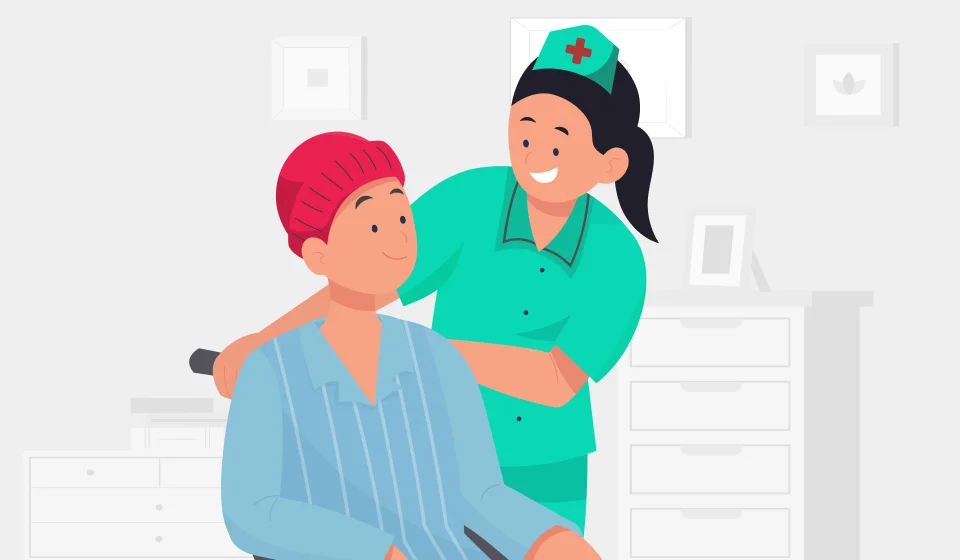
Types, Roles & Duties Of Community Health Nurses
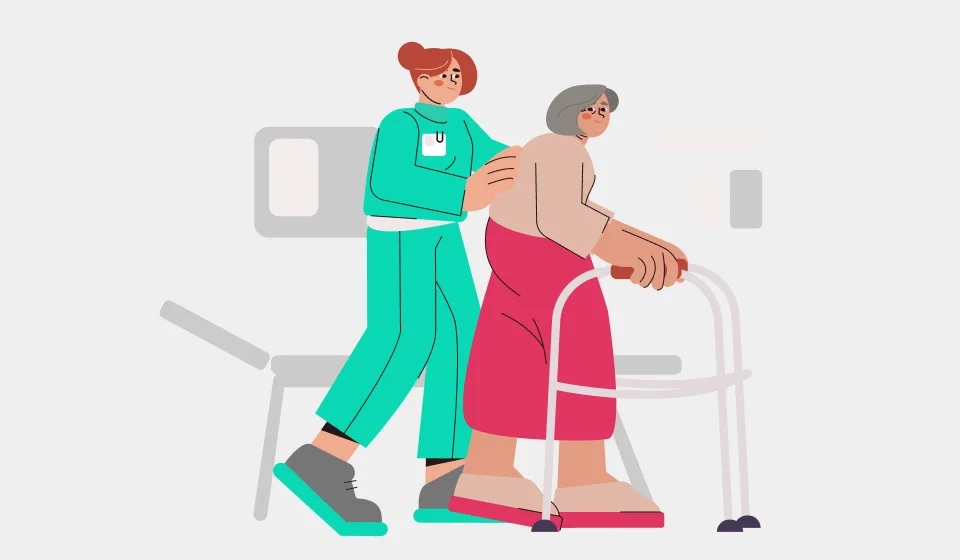
Community health nursing plays a vital role in promoting wellness and preventing disease across populations. This guide explores the various types of community health nursing, the essential roles, and the day-to-day responsibilities that these nurses fulfil.
When most people think of nursing, they picture hospital wards, emergency rooms, or clinical settings. However, community health nursing takes healthcare beyond these walls and into the heart of where people live, work, and gather. These dedicated professionals serve as the bridge between healthcare systems and communities, working to improve health outcomes for entire populations rather than just individual patients.
Community health nurses are found in schools, community centres, homes, workplaces, and public health facilities across Australia. They focus on prevention, education, and early intervention, addressing health challenges before they escalate into serious conditions requiring hospitalisation.
What Is Community Health Nursing?
Community health nursing is a specialised field that focuses on promoting and preserving the health of populations within specific geographic areas or communities. Unlike acute care nursing, which centres on treating individual patients with immediate health concerns, community health nursing takes a broader, preventive approach that considers the social, environmental, and economic factors influencing health outcomes.
At its core, community health nursing is about meeting people where they are. These nurses work outside traditional healthcare facilities, providing services in homes, schools, community centres, and other accessible locations. This approach removes barriers to healthcare access and allows nurses to observe firsthand the conditions affecting their clients’ well-being.
The practice encompasses three interconnected levels of care. At the individual level, community health nurses provide direct care to patients in their homes or community settings. At the family level, they work with entire households to promote healthy behaviours and manage chronic conditions. At the population level, they develop programmes that address health concerns affecting large groups.
Whether supporting families through NurseLink Healthcare’s in-home care services or coordinating disability support through NDIS programmes, community health nurses embody the principle that quality healthcare should reach everyone in their own environment.
Types Of Community Health Nursing
Community health nursing encompasses numerous specialisations, each addressing specific population needs.
Public health nurses work at the population level, focusing on disease prevention and health promotion for entire communities. They coordinate vaccination programmes, conduct epidemiological surveillance, and develop health education campaigns.
School nurses serve as primary healthcare providers in educational settings, caring for students from preschool through university. Beyond treating minor injuries, they manage chronic conditions, provide health education, and create individual health plans.
Home health nurses deliver skilled nursing care to patients in their residences, supporting those recovering from illness, managing chronic conditions, or receiving palliative care. They perform assessments, administer medications, and educate family members about caregiving.
Occupational health nurses work in corporate or industrial settings, protecting and promoting employee health and safety. They treat workplace injuries, conduct health screenings, and develop wellness programmes.
Mental health community nurses specialise in supporting individuals with psychiatric conditions outside institutional settings. They provide medication management, crisis intervention, and care coordination.
Rural and remote area nurses serve populations in isolated locations where healthcare access is limited. These generalist nurses must possess broad clinical skills and often work independently.
Key Roles & Responsibilities
Community health nurses fulfill diverse responsibilities that extend beyond traditional nursing duties, requiring clinical expertise, cultural sensitivity, and strong advocacy abilities.
Direct care provision remains fundamental. Community health nurses assess patients, develop care plans, administer treatments, and monitor health conditions. Unlike hospital nurses, they often maintain long-term relationships with clients.
Health education and promotion constitute significant portions of their work. They teach individuals, families, and groups about disease prevention, healthy behaviours, nutrition, and self-care techniques, translating complex health information into practical guidance.
Case management and care coordination are essential functions, particularly for clients receiving NDIS or aged care services. Community health nurses assess total needs, connect clients with resources, coordinate services among providers, and monitor outcomes.
Assessment and screening form another crucial responsibility. These nurses conduct comprehensive health assessments considering physical symptoms, mental health, social support, and environmental factors. They perform screenings for conditions like hypertension and diabetes, identifying concerns early.
Advocacy represents a vital responsibility. Community health nurses advocate for individual clients and at the system level for policies promoting health equity, giving voice to vulnerable populations.
Importance Of Community Health Nursing
Community health nursing serves as a cornerstone of Australia’s healthcare system, delivering benefits beyond individual patient care.
Prevention and early intervention are the most significant contributions. By identifying health concerns early and preventing disease development, these nurses reduce the burden on acute care facilities. A community health nurse helping a client manage diabetes effectively prevents costly complications.
Community health nurses reach underserved and vulnerable populations, working with people facing barriers to traditional healthcare services. Through services like those provided by NurseLink Healthcare, they ensure quality healthcare reaches everyone regardless of circumstances.
The holistic, patient-centred approach produces superior outcomes. These nurses address underlying factors affecting health, considering housing conditions, financial stress, social isolation, and family dynamics.
Community health nursing strengthens the healthcare system’s efficiency. By providing care in homes and community settings, these nurses reduce healthcare costs while delivering convenient, comfortable care.
Benefits Of A Community Health Nursing Career
Community health nursing offers distinctive advantages for nurses considering their career path.
- Autonomy and independence characterise the practice, with nurses making independent clinical judgements and managing their own schedules.
- Diverse work environments provide variety, from home visits to school health screenings to community workshops.
- Strong therapeutic relationships develop through continuity of care, with nurses working with clients over months or years.
- Work-life balance is more achievable, with most positions following regular business hours without rotating shifts.
- Holistic practice allows consideration of psychological, social, environmental, and spiritual factors affecting health.
- Impact visibility provides satisfaction, with nurses seeing direct results of their interventions.
Characteristics Of A Successful Community Health Nurse
Succeeding in community health nursing requires particular skills and personal qualities beyond basic nursing competencies.
Strong communication skills are essential. Community health nurses must explain complex information in clear, accessible language whilst understanding clients’ perspectives and circumstances.
Critical thinking and clinical judgement enable sound decisions in unpredictable situations. Working independently, these nurses must assess situations accurately and determine appropriate interventions.
Cultural competence allows practical work with Australia’s diverse population. Successful nurses understand how cultural beliefs influence health behaviours and adapt their practice accordingly.
Flexibility and adaptability help navigate the unpredictable nature of community work, where plans change, and environmental conditions vary dramatically.
Empathy and compassion underpin effective practice. These nurses work with people facing challenging circumstances, using genuine empathy to build trust whilst maintaining professional boundaries.
How To Become A Community Health Nurse?
Embarking on this career requires specific educational preparation and professional registration.
Aspiring community health nurses must complete an accredited Bachelor of Nursing degree, typically requiring three years of full-time study. Upon completion, graduates must register with the Nursing and Midwifery Board of Australia through the Australian Health Practitioner Regulation Agency.
Many positions prefer post-registration experience. New graduates typically begin in acute care settings, developing foundational skills. After gaining one to two years of experience, nurses can pursue community health opportunities.
Specialised education enhances practice and career prospects. Postgraduate qualifications in Public Health, Community Health Nursing, or Primary Health Care provide deeper knowledge. Professional development through workshops and conferences helps nurses stay current with best practices.
Conclusion
Community health nursing represents a dynamic specialisation that addresses health by reaching people in their own environments. These nurses serve as educators, advocates, and caregivers, working to prevent disease and support vulnerable populations across Australia.
The diverse types and responsibilities demonstrate the breadth of this field and the numerous opportunities available. For those considering this path, community health nursing offers meaningful work, autonomy, and the satisfaction of making tangible differences. Whether providing in-home care through NurseLink Healthcare or supporting individuals through NDIS programmes, these nurses embody healthcare’s preventive, accessible future.
Latest Post
Types, Roles & Duties Of Community Health Nurses
What Is Respite Care And How Does It Work?

Complete Guide For Aged Care Quality Standards
Personal Care Attendant (PCA): What they do & why they matter
The Complete Guide To Homecare Packages
Is Homecare a Good Job? Salary, Demand & Benefits
Everything you need to know about homecare packages
5 Reasons why nurses choose to work in aged care
Supporting Seniors Through Life Transitions with Compassionate Homecare