
What Is An Acute Care Nurse? Roles & Responsibilities
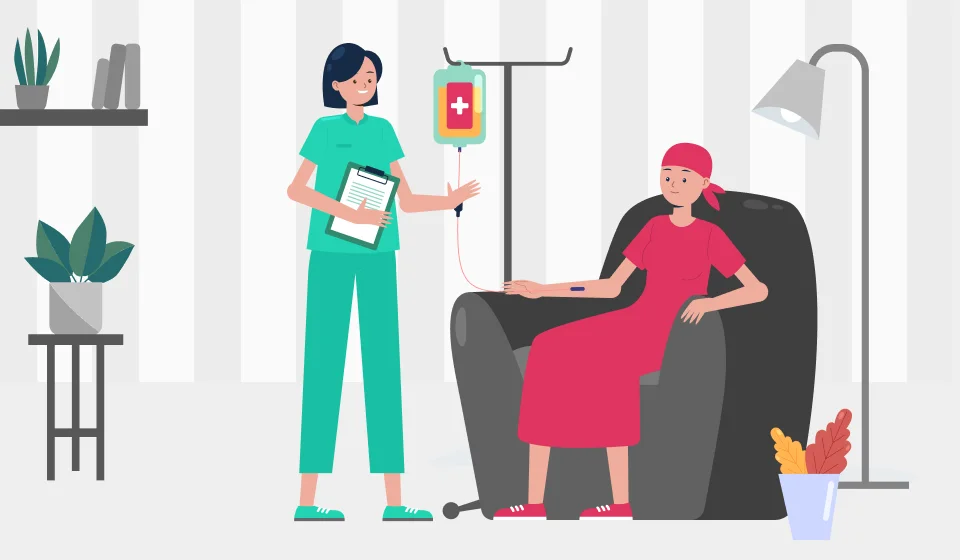
Acute care nursing is a critical component of hospital-based healthcare, focused on supporting patients who are experiencing sudden illness, injury, or rapid changes in their clinical condition. Acute care nurses work in environments where patients require close observation, timely intervention, and coordinated medical support to reduce risk and support recovery during the most clinically unstable phase of care.
The purpose of acute care nursing is to provide short-term, intensive clinical management for high-risk conditions. Unlike sub-acute or community care, acute care is delivered within hospital settings and centres on stabilisation, treatment, and continuous monitoring. This article provides a clear and factual explanation of acute care nursing, outlining the scope of practice, responsibilities, and professional considerations involved in delivering care in acute clinical environments.
Definition Of Acute Care In Healthcare Settings
From a clinical perspective, acute care refers to the treatment of severe, urgent, or complex health conditions that require immediate medical attention. The acute care meaning in healthcare is closely associated with hospital-based services designed to respond quickly to changes in a patient’s condition and prevent deterioration.
Acute care typically involves managing conditions such as:
- Acute infections or sepsis.
- Cardiac and respiratory emergencies.
- Traumatic injuries.
- Complications following surgery.
- Sudden exacerbations of chronic disease.
An accepted acute care setting definition includes environments where patients receive intensive, time-limited care supported by medical teams, diagnostic services, and advanced treatment options. The focus is on rapid assessment, intervention, and ongoing monitoring rather than long-term support.
It is helpful to distinguish acute care from post-acute care. Understanding the post acute care meaning highlights that post-acute services generally support rehabilitation, recovery, or transition following stabilisation. Acute care nurses, by contrast, are involved during the most clinically unstable period, when patients require continuous assessment and prompt clinical responses.
Scope Of Practice Of An Acute Care Nurse
The scope of practice of an acute care nurse defines the professional responsibilities and clinical activities they are authorised and competent to perform. The scope of practice is influenced by education, clinical experience, organisational policy, and professional standards.
For those seeking clarity on what an acute care nurse is, it is a registered nurse who practises primarily in hospital settings and is trained to care for patients with complex and rapidly changing health needs. Acute care nurses provide direct patient care while working closely with medical and multidisciplinary teams.
Activities commonly within the acute care nursing scope include:
- Conducting comprehensive and ongoing patient assessments.
- Monitoring vital signs and clinical indicators.
- Delivering nursing interventions based on care plans.
- Administering medications safely and accurately.
- Recognising and responding to early signs of deterioration.
Working within professional boundaries is essential. Acute care nurses must understand when to escalate concerns, seek medical review, or involve specialist services. This ensures care remains safe, evidence-based, and aligned with clinical governance frameworks.
Experience, training, and clinical competence shape how scope is applied in practice. More experienced nurses may manage higher-acuity patients, contribute to clinical decision-making, and support junior staff, while still adhering to hospital policies and professional standards.
Core Responsibilities Of Acute Care Nurses
Acute care nurses carry significant responsibility for patient safety and clinical outcomes. Their role extends beyond task-based care and involves continuous assessment, communication, and coordination.
Key responsibilities include:
Patient Assessment & Monitoring
- Performing initial and ongoing clinical assessments.
- Monitoring vital signs, neurological status, and pain levels.
- Identifying subtle changes in patient condition.
Clinical Interventions
- Delivering evidence-based nursing care.
- Supporting medical treatments and procedures.
- Managing wounds, lines, and equipment.
Medication Management
- Administering medications according to orders.
- Monitoring therapeutic effects and adverse reactions.
- Ensuring medication safety and accuracy.
Documentation & Communication
- Maintaining accurate clinical records.
- Communicating patient status during handovers.
- Updating multidisciplinary teams on changes in condition.
Escalation Of Care
- Recognising clinical deterioration.
- Initiating escalation pathways.
- Advocating for timely medical review.
These responsibilities require vigilance, sound clinical judgement, and effective communication to support safe and coordinated care.
Common Acute Care Clinical Settings
Acute care nursing is delivered across a range of hospital environments, each with its own clinical demands and patient populations.
Common acute care clinical settings include:
- Emergency departments are where patients present with undifferentiated and urgent conditions.
- Medical wards caring for patients with acute medical illnesses.
- Surgical wards supporting pre- and post-operative care.
- Intensive care and high dependency units manage critically ill patients.
- Short-stay and assessment units focused on rapid diagnosis and treatment.
- Post-operative recovery areas provide close monitoring following anaesthesia.
While the clinical focus may vary between settings, all acute care environments require nurses to respond quickly to change, prioritise care, and work within structured clinical systems.
Skills & Competencies Required In Acute Care Nursing
Acute care nursing demands a broad and advanced skill set. Nurses must combine technical competence with critical thinking and effective communication.
Core skills and competencies include:
Clinical Assessment & Critical Thinking
- Interpreting clinical data.
- Identifying early signs of deterioration.
- Making informed nursing decisions.
Decision-Making Under Pressure
- Prioritising competing clinical demands.
- Responding to emergencies.
- Managing time-sensitive situations.
Technical Nursing Skills
- Managing intravenous therapies.
- Using clinical equipment safely.
- Performing procedures relevant to acute care.
Communication & Documentation
- Clear verbal communication with teams.
- Accurate and timely clinical documentation.
- Effective handover practices.
Time Management & Prioritisation
- Managing multiple patients.
- Balancing routine and urgent tasks.
- Maintaining care quality under pressure.
These competencies support safe practice and enable nurses to function effectively in complex clinical environments.
Multidisciplinary Teamwork In Acute Care Environments
Acute care nursing does not occur in isolation. Patient outcomes depend on effective collaboration between healthcare professionals across disciplines.
Multidisciplinary teamwork in acute care involves:
- Working alongside medical officers to support diagnosis and treatment.
- Collaborating with allied health professionals such as physiotherapists and pharmacists.
- Communicating with support staff to coordinate care delivery.
Effective teamwork relies on:
- Clear communication during handover and escalation.
- Mutual respect between disciplines.
- Shared responsibility for patient safety.
Acute care nurses often act as central coordinators, ensuring information flows accurately between team members and that patient needs are addressed promptly.
Regulatory & Professional Considerations
Acute care nurses practise within a regulated professional framework designed to protect patients and support high standards of care.
Key considerations include:
Registration & Professional Standards
- Maintaining current registration with the relevant nursing board.
- Adhering to professional codes of conduct.
- Practising within scope and competence.
Hospital Policies & Clinical Governance
- Following organisational policies and procedures.
- Participating in quality and safety initiatives.
- Engaging with incident management processes.
Accountability & Responsibility
- Taking responsibility for clinical decisions.
- Documenting care accurately.
- Escalating concerns appropriately.
Continuing Professional Development
- Maintaining and updating clinical skills.
- Participating in education and training.
- Reflecting on practice to improve care quality.
Healthcare organisations such as NurseLink Healthcare recognise the importance of these professional and regulatory requirements when supporting nurses across hospital, community, and disability care settings. Strong governance and ongoing professional development underpin safe and effective nursing practice across all environments.
For advanced practice roles, questions often arise around what does acute care nurse practitioner do. While nurse practitioners have an extended scope that includes advanced assessment and prescribing, their role remains grounded in the principles of acute care nursing, with additional responsibilities defined by legislation, education, and clinical endorsement.
Latest Post

Duties & Responsibilities Of A Facility Manager

Top 6 In-Demand Nursing Jobs Across Australia

Life As A Rural Area Nurse
Standards & Scope of Practice for Registered Nurses

Roles & Responsibilities Of Hospital Staff
Nurse Unit Manager – Salary & Responsibilities

Why does working with the best nurse staffing agencies matter?

Nursing as a career: our top 7 reasons

Reasons why working as an agency nurse has its perks